
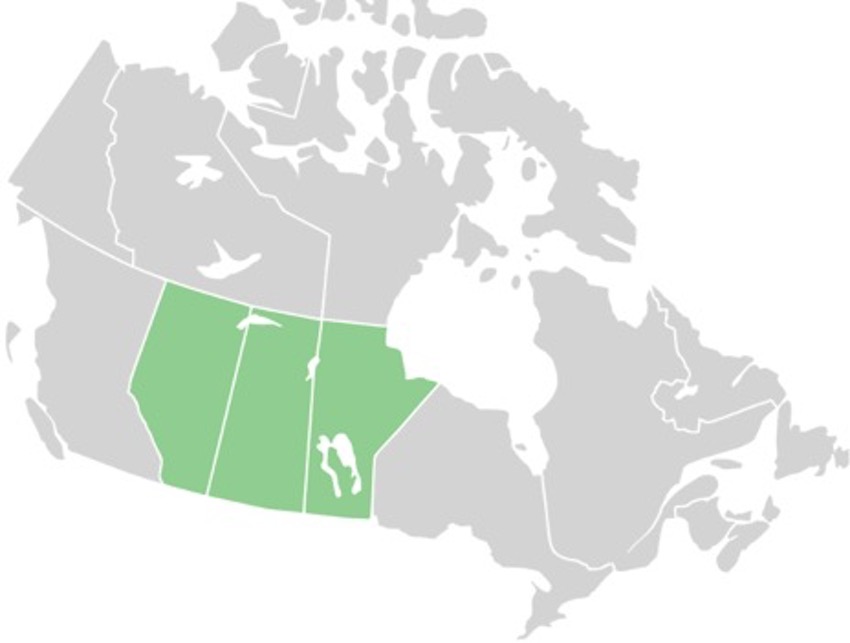
Prairie Provinces, the Canadian provinces of Manitoba, Saskatchewan, and Alberta, in the northern Great Plains region of North America. They constitute the great wheat-producing region of Canada and are a major source for petroleum, potash, and natural gas. These provinces are partially covered by grasslands, plains, and lowlands, mostly in the southern regions. These locations make up 80% of Canada’s agricultural production.
Climate
The Canadian prairies experience dry semi-arid climates with annual precipitation of 12 to 15 inches while regions with black and dark brown soils experience some dry, humid continental climate with an annual rainfall of 16 to 20 inches. Of the three Prairies, Manitoba is the coldest as well as the most humid. The region is also apt to experience thunderstorms during the summer and spring which sometimes are vigorous enough to create a tornado, especially in the far south of the province.
Main Attractions
Manitoba
• Polar Bear Safari in Churchill
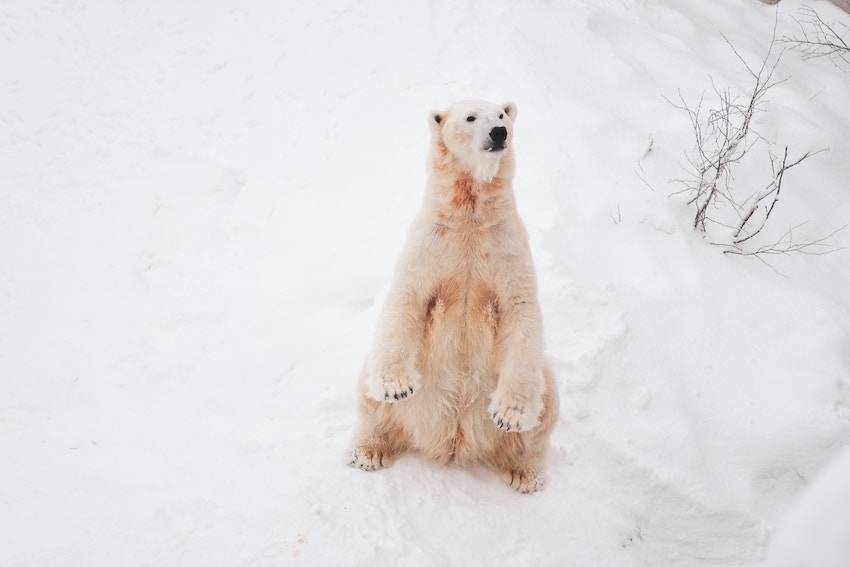
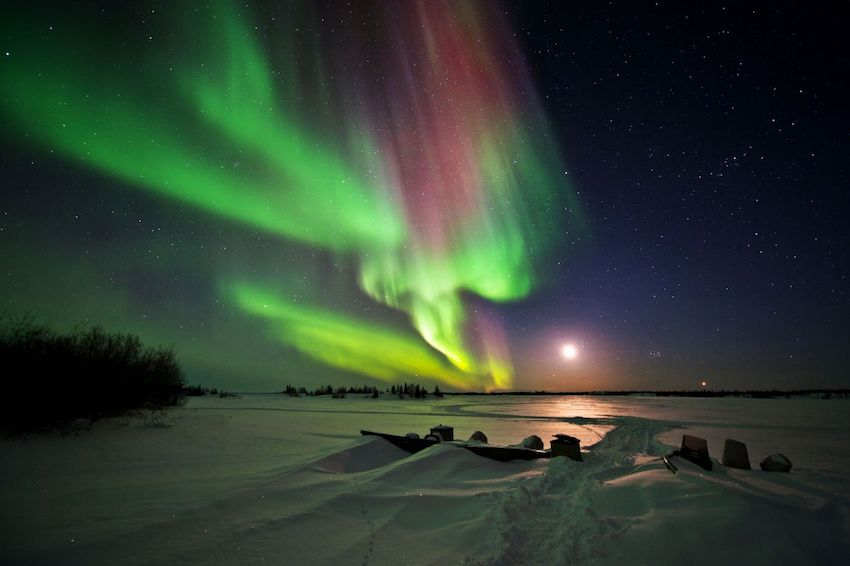
Since long before Churchill had a human history, it was the polar bear capital of the world. Today, every October and November, up to 900 of these generally solitary creatures gather outside Churchill, making it the world’s greatest concentration of polar bears. Expectant bears fatten up on seals before coming on land to take their dens and bear young. The bears’ massive denning area was placed under the protection in 1996, and travelers are permitted to visit only as part of an authorized tour group. Beyond the excitement of seeing roving polar bears, the late fall night skies frequently pun on a show of their own, pulsing with the aurora borealis. These are the northern lights, shifting curtains of multicolored light that swirl across the sky, as the astral dance between the earth’s magnetic field and electrons and protons brought in by gusts of solar wind.
Saskatchewan
• Wanuskewin Heritage Park
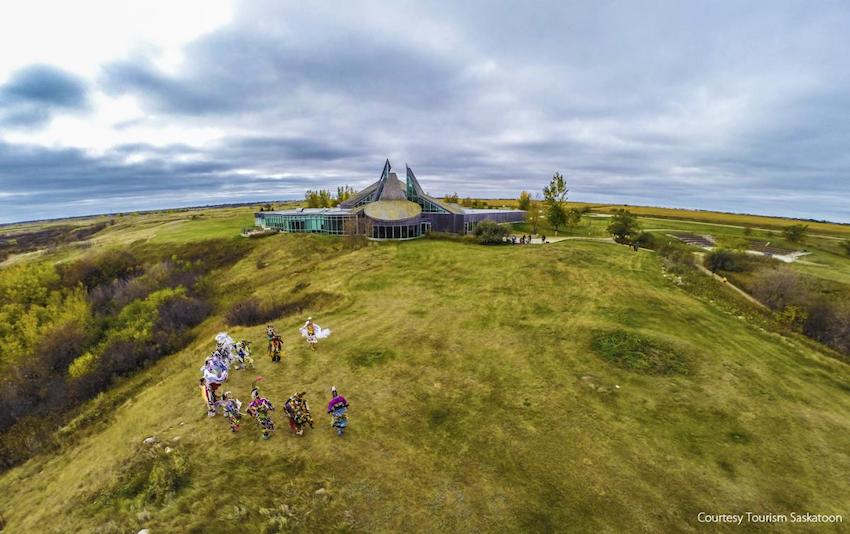
Six thousand years ago, Wanuskewin echoed with the thundering hooves of bison and the voices of Indigenous peoples from across the Northern Plains; the land still echoes with these stories that Wanuskewin is proud to share with the people. The nomadic tribes who roamed the Northern Plains gathered on this site of natural beauty where today visitors can relive the stories of a people who came here to hunt bison, gather food and herbs and escape the winter winds. Walking in their footsteps, you will understand why this site was a place of worship and celebration, of renewal with the natural world and of deep spirituality.
The story of Wanuskewin is just beginning to be uncovered. Some archaeological dig sites date back thousands of years making them older than the Egyptian pyramids; these sites provide clues to the daily existence of the early peoples. Tipi rings, stones cairns, pottery fragments, plant seeds, projectile points, eggshell fragments, and animal bones all give evidence of active thriving societies. While some sites teach us about life thousands of years ago other sites like the ancient Medicine Wheel still remain shrouded in mystery.
Alberta
• Calgary Stampede
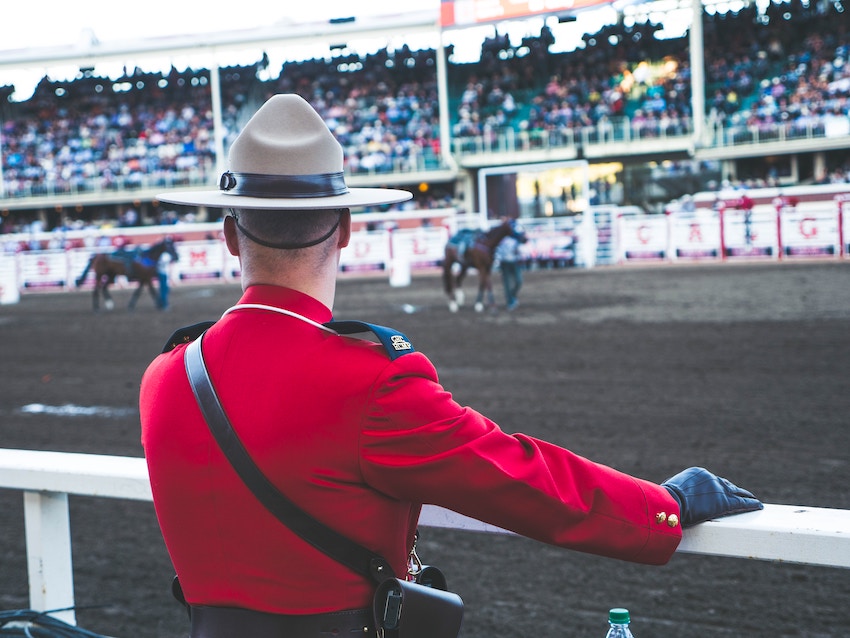
Calgary goes Western during its world-famous stampede, kicking up its boot heels for ten rodeo filled days in July. Rodeos have been a part of Calgary summers since 1886, soon after the city was founded as an outpost for the Royal Canadian Mounted Police. The Calgary Stampede is the world’s largest and most prestigious rodeo, with more than 400 of the world’s elite rodeo contestants entered in six major events, competing for a total prize topping nearly $2 million. One of the stampede’s unique competitions is the Chuckwagon Race – not built for speed of grace- contend for the fastest time around the track in a fury of dust and pounding hooves.
• Banff and Jasper National Parks
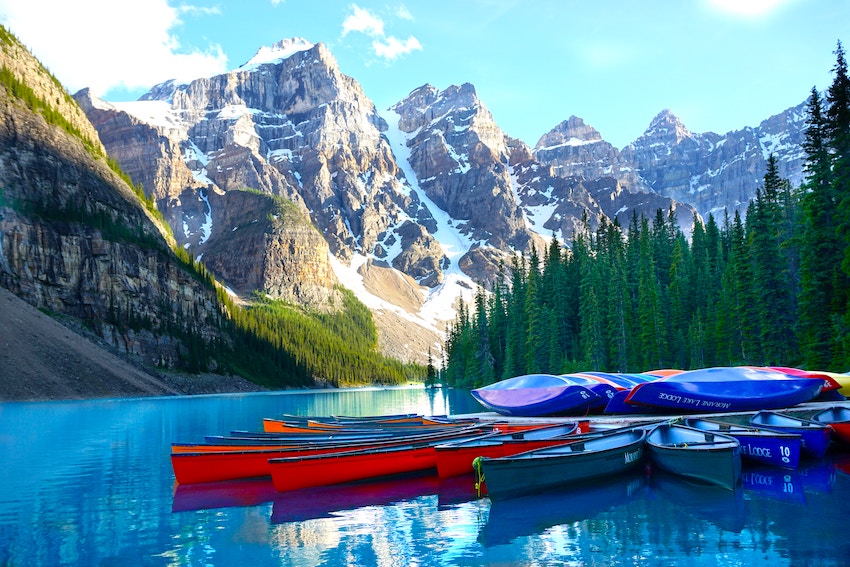
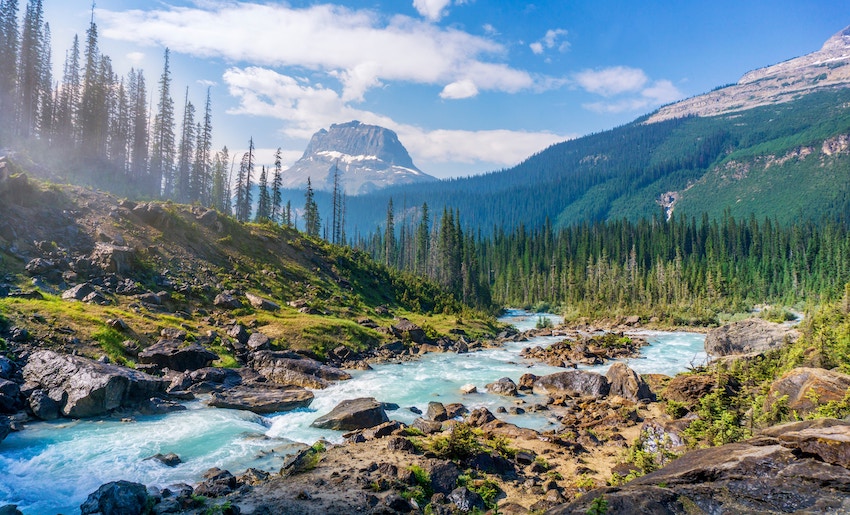
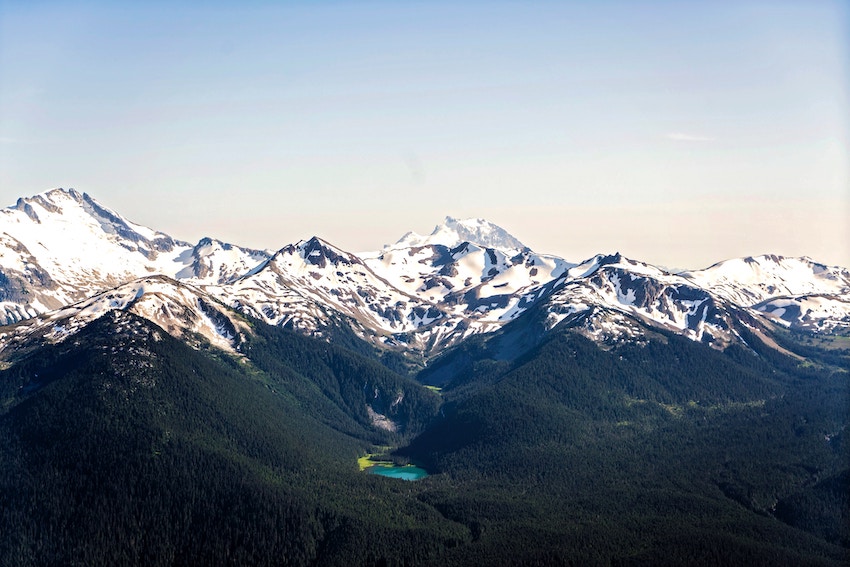
Spanning the crown of the majestic Canadian Rockies are Banff and Jasper parks. Banff was Canada’s very first national park as is now 2,656-square-mile giant and Western Canada’s number-one tourist destination. The park’s pride is a pair of shimmering jade green lakes: the stunning Moraine Lake, nestled beneath soaring 10,000-foot peaks, and Lake Louise known for its dramatic setting at the base of Victoria Glacier. One of the world’s most scenic roadways, the 142mile Icefields Parkway links Banff and Jasper National Parks passing through an unbroken panorama of glacier-topped peaks, waterfalls, and turquoise lakes flanked by spruce and fir forests.
• The Canadian Rockies by Train
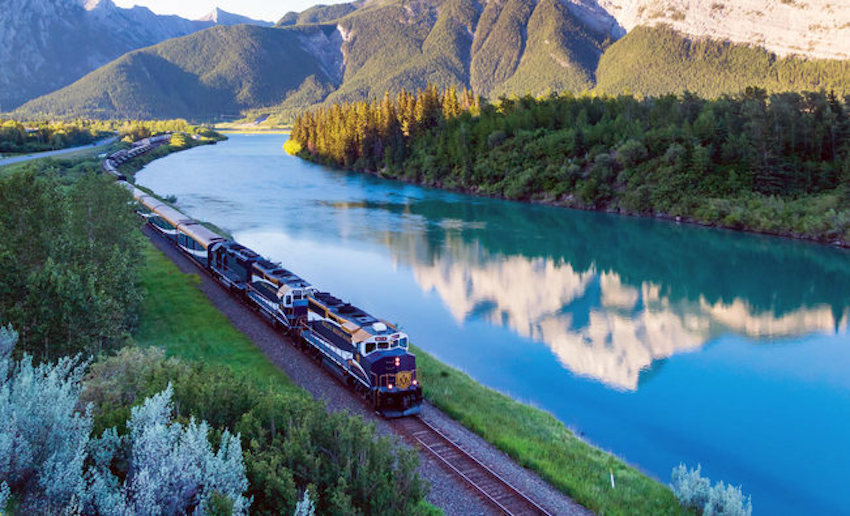
When railroads first crossed Canada in 1885, they did more than bring settlers: They opened western Canada to tourism. Traveling by train through the Rockies is one of the best and more relaxing ways to explore this massive and inspiring country.
Other Resources
Manitoba
Saskatchewan
Alberta
References and Citations
https://www.worldatlas.com/articles/important-facts-associated-with-the-canadian-prairies-or-the-prairie-provinces-of-canada.html
https://www.britannica.com/place/Prairie-Provinces
https://en.m.wikipedia.org/wiki/Canadian_Prairies
https://www.tourismsaskatchewan.com/things-to-do/attractions
https://wanuskewin.com
https://www.churchillwild.com/adventures/polar-bear-safari/
https://www.calgarystampede.com
https://www.pc.gc.ca/en/pn-np/ab/banff
https://www.pc.gc.ca/en/pn-np/ab/jasper/activ/passez-stay/camping
https://www.viarail.ca/en/explore-our-destinations/trains/rockies-and-pacific










 Home | North American Regions