
Atlantic Provinces of Canada are comprising Newfoundland and Labrador, Prince Edward Island, Nova Scotia, New Brunswick. The population of the four Atlantic provinces in 2016 was about 2,300,000 on half a million km2.
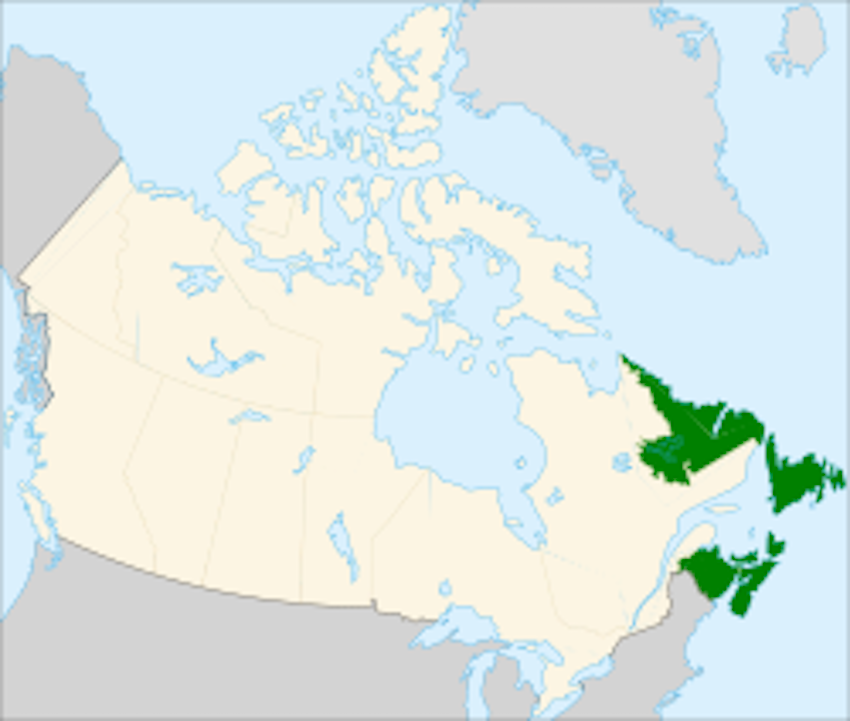
Main Attractions
Newfoundland and Labrador
• Gros Morne National Park
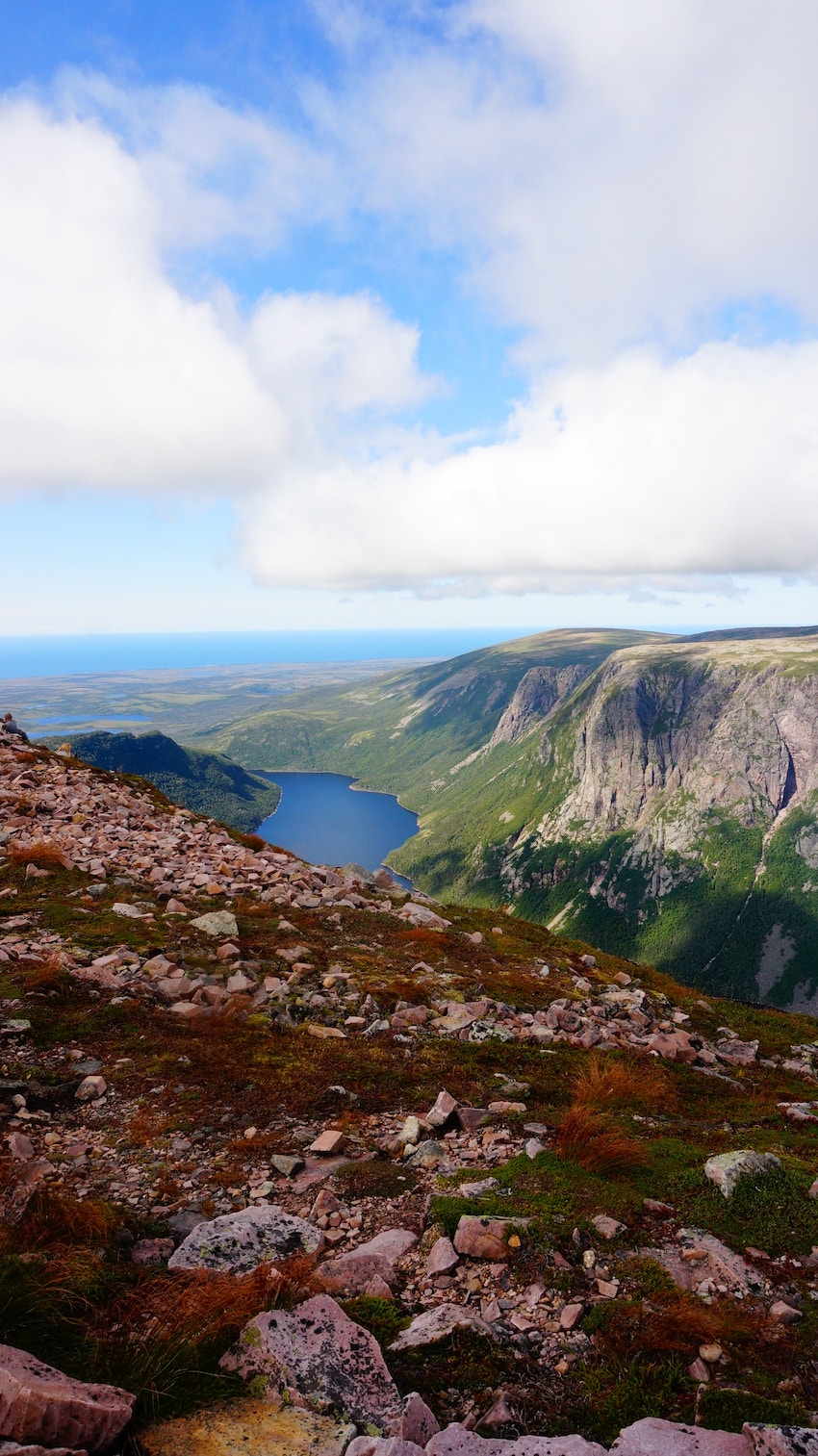
Gros Morne National Park is sometimes called the “Galapagos of Geology” because its rocks provide fascinating evidence for plate tectonics – a theory that is to geology what evolution to biology. A place of immense splendor and lonely beauty, it is eastern Canada’s most renowned hiking and adventure destination. Start your exploration at the Discovery Center with exhibits on the geology, plant and animal life, and diverse history of the Northern Peninsula. One of the parks indisputable highlights is the rugged massif called Tablelands, where hiking trails meander over rocks jutting up from the ancient mantle in the earth’s interior. The boulders have such unusual chemistry that many plants cannot easily grow in their orange-brown terrain.
• St. John’s
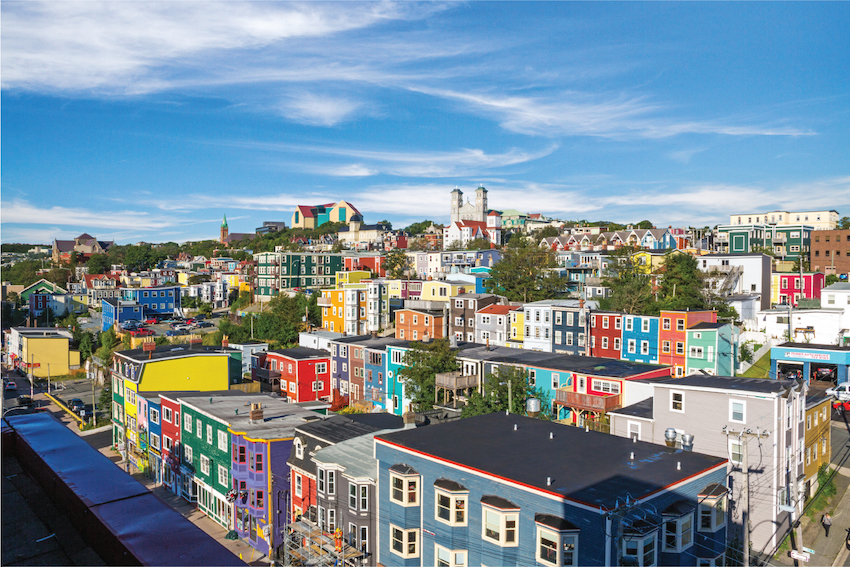
St. John’s in Newfoundland and Labrador’s capital. It is the perfect combination of big-city luxury and traditional small-town charm. It is one of the oldest and most easterly cities in North America. St. John’s has become a rare destination full of character and charisma, with a contemporary, sophisticated edge.
• Terra Nova National Park

Terra Nova National Park is Canada’s most easterly national park. Four hundred square kilometers of natural beauty. Here you can kayak or boat from sheltered bays to breathtaking coastlines, amongst whales and seabirds. Dense forests and quiet coastlines wait to be explored along 11 beautiful hiking trails. As you walk along the twisting paths you might spy a moose, lynx, beaver, or an eagle.
• Torngat Mountains National Park
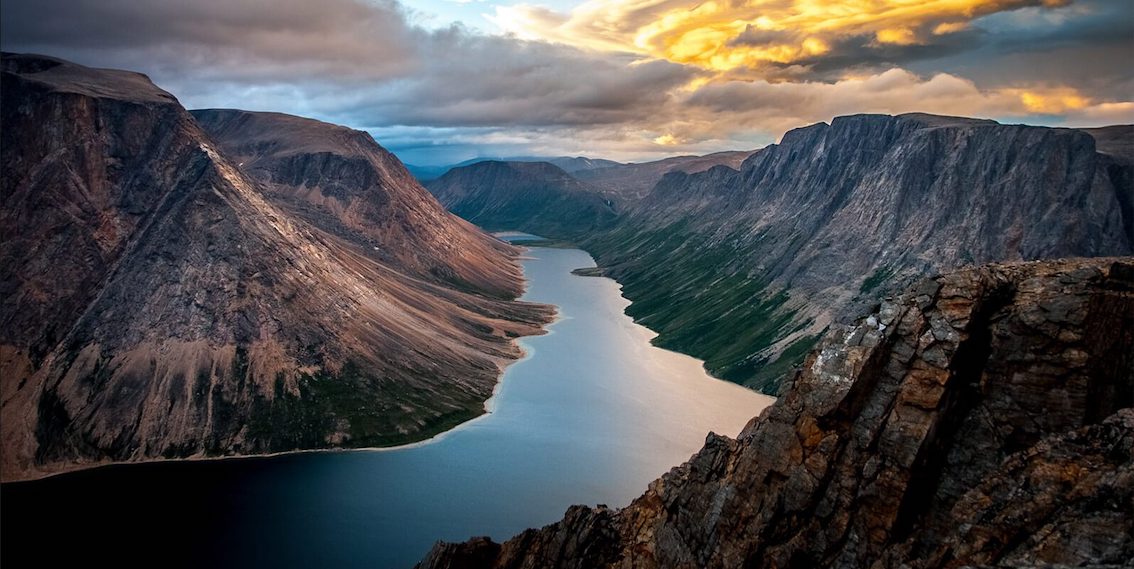
Torngat Mountains National Park takes its name from the Inuktitut word Tongait, meaning place of spirits. It is 9,700 square kilometers of spectacular wilderness stretching north from Saglek Fjord to the northern tip of Labrador, and westward from the Atlantic seacoast to the Québec border. It’s a land of mountains and polar bears, small glaciers, and caribou, where the Inuit hunt, fish, and travel, as their predecessors did for thousands of years.
Prince Edward Island
• Canada’s smallest province
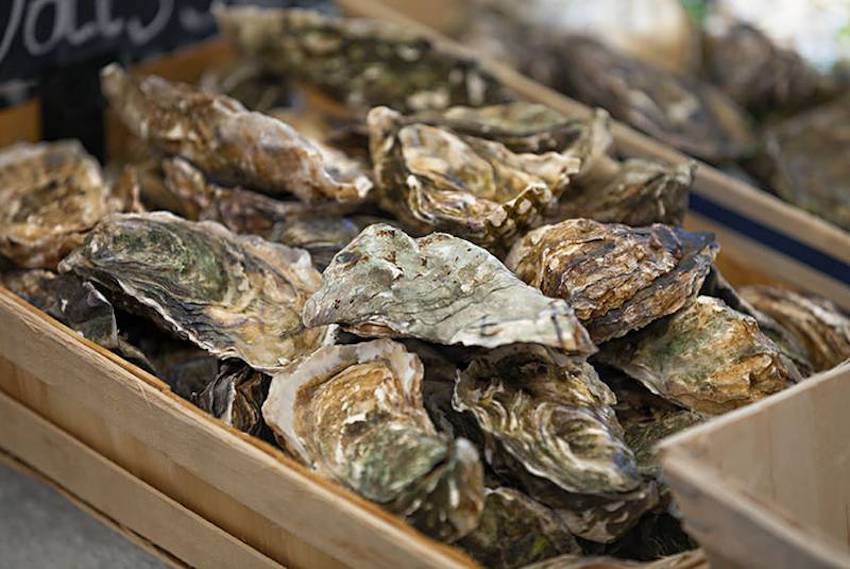
Prince Edward Island (PEI) is a low-lying, richly agricultural isle in the Gulf of St. Lawrence. PEI is a pastoral as a postcard, with tiny farm towns set amid rolling green hills and coastal villages on rocky bays where fishermen pull lobsters, clams, scallops, and oysters from the sea. Charlottetown is PEI’s one true hub, though it feels more like a friendly small town. Its waterfront, with Peake’s Wharf at its center, is a lively place to visit. Above the waterfront, the old town center is nobler, with Georgian-era homes and storefronts. Charlottetown celebrates its fishing heritage during September’s International Shellfish Festival. Those prized Malpeque oysters, shipped worldwide, taste twice as sweet here.
• Anne of Green Gables
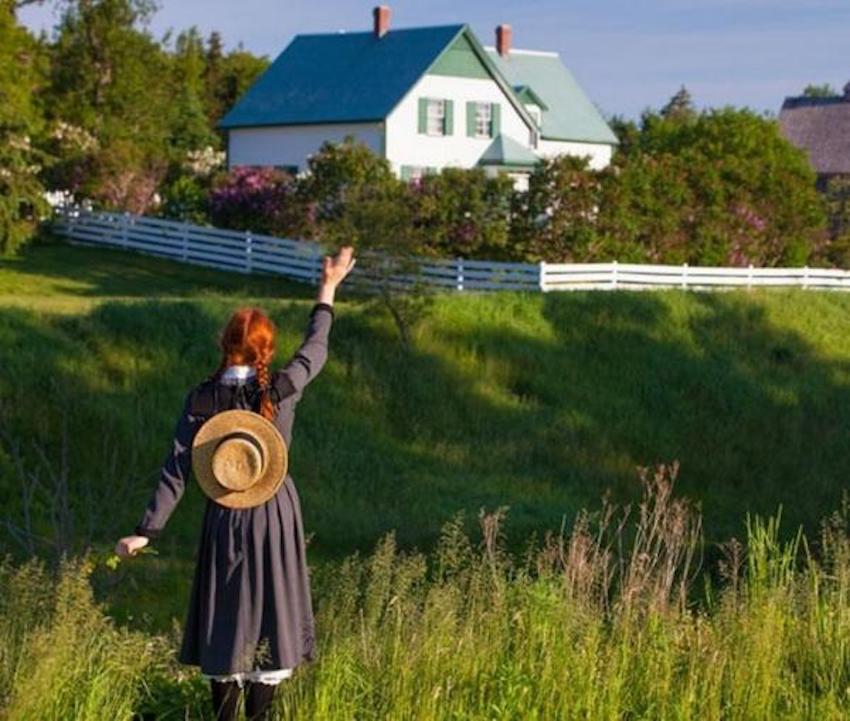
When the novel Anne of Green Gables was first published in 1908, most people could only dream of visiting its magical setting. As the book became popular around the world, it’s likely that many readers had no idea where Prince Edward Island was. Today, millions of the book’s fans have made the trip to PEI and discovered the land that captivated Anne in Lucy Maud Montgomery’s stories. And for those who just can’t get enough of their favorite red-headed girl, or the woman who created her, there are Anne-related attractions all over the Island.
• Authentic PEI Experiences

In an ever-growing series of activities, you can work side-by-side with chefs, artisans, fishermen, farmers, musicians, and a host of people who defy categorizing, but who love what they do and want to share it with you. So, if you’re looking for a holiday with some real life behind it, you’ll find it here. Yes, you might get your hands dirty. You might also get your shoes wet. And your knees stained. All temporary. But the memory of your Island experiences will last a lifetime.
New Brunswick and Nova Scotia
• Bay of Fundy
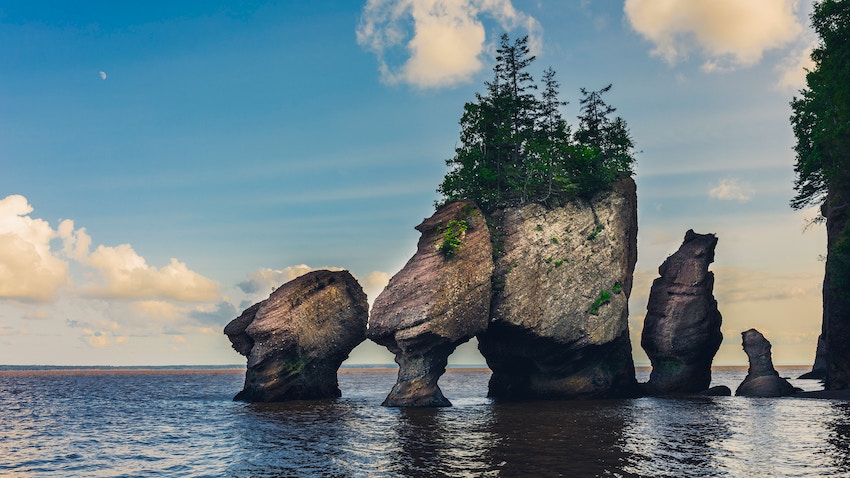
The Bay of Fundy boasts the world’s highest tides, rising as much as 48 feet in six hours- more than 22 times greater than the average tide in open seas. The hard-rapid tides have sculptured the bay’s cave-pocked coastline, reducing huge boulders to fancy shapes, such as the Hopewell Rocks, which just from the sand with miniature forests on their summits. The bay is best observed at Fundy National Park, established in 1948 to protect 80 square miles of coastline and forested mountains on the bay’s New Brunswick coast. So dramatic is the difference between low and high tide that, at the park’s Alma Beach, almost three-quarters of a mile of tidal flats are exposed at low tide. Then, when the water comes rushing back in, it produces a roar at mid-tide called “the voice of the moon”.
Nova Scotia
• Cape Breton Island
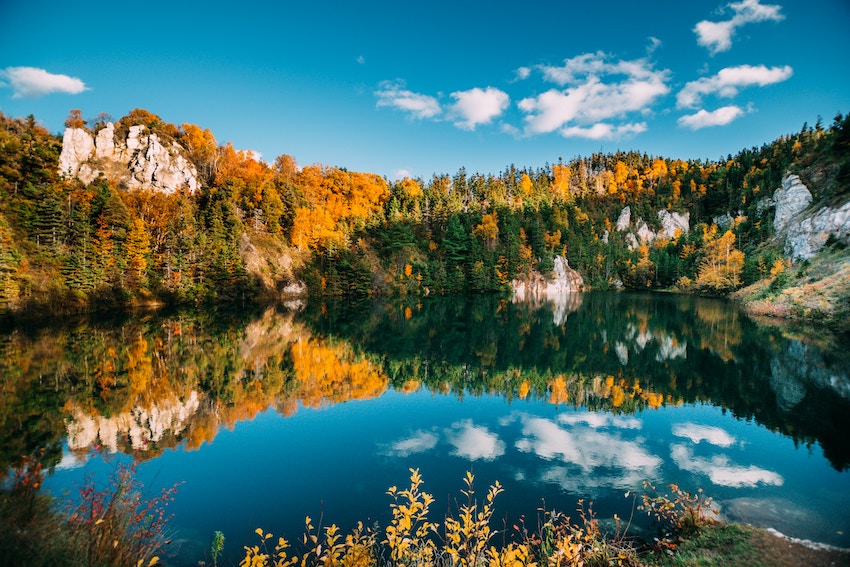
As it juts northward between the Atlantic Ocean and Gulf of St. Laurence, Nova Scotia’s Cape Breton Island becomes increasingly mountainous and barren. Cape Breton Highlands National Park protects much of the island’s northern tip, a region so remote it wasn’t even accessible by car until the 1930s. Today, you can take one of the greatest drives here: the 184-mile-long Cabot Trail. Follow the picturesque, craggy coastline around the 365-square-mile national park, passing centuries-old French Acadian and Scottish fishing villages before pushing up and over the island’s central plateau, between Pleasant Bay and Cape North – a striking moorland with stunned old-growth hardwood forests and tundra-like meadows.
• Old Town Lunenburg
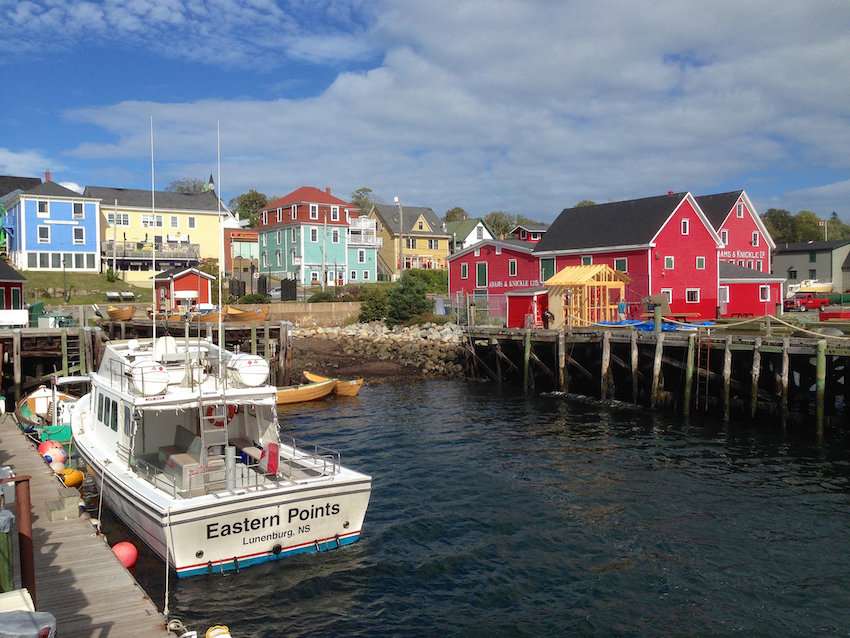
In the 1750s, lured by the prospect of free land, nearly 1,500 Protestant pioneers from Germany, Switzerland, and France set sail under the protection of the British Crown to establish a colony on the coast of Nova Scotia. With them was a set of town plans drawn up by the London-based Board of Trade and Plantations. As part of the agreement with their British sponsors, the colonists would use these plans to build a predesigned “model town” in the Canadian wilderness. The Lunenburg colony survived and prospered as a well-known shipbuilding and fishing center. Little change has come to its Old Town and waterfront since the 1700s, and two and a half centuries after its establishment, the tiny coastal hamlet is still in near-pristine condition.
• Halifax Waterfront
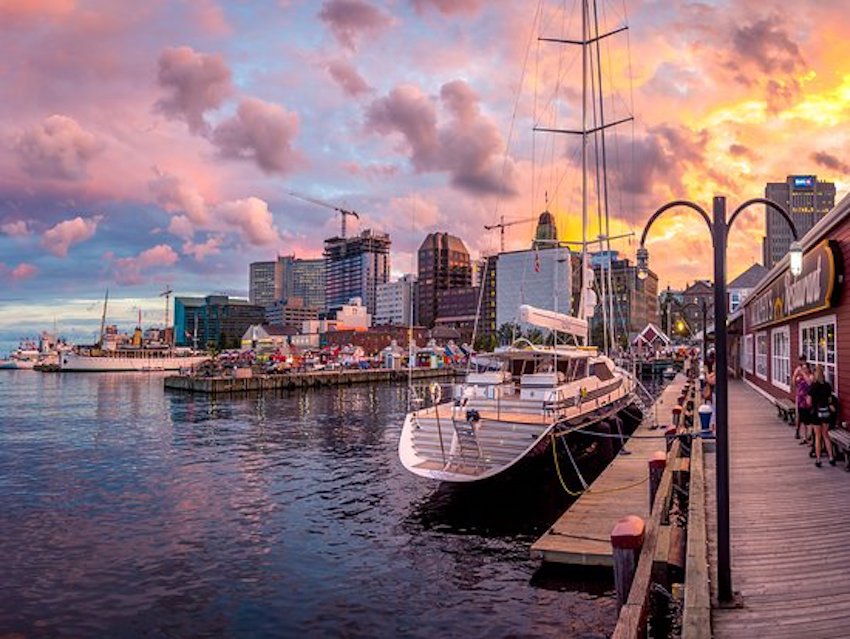
Discover the historic port city of Halifax when you walk along the Halifax waterfront. Start at the Canadian Museum of Immigration at Pier 21 – the gateway into Canada for one million immigrants – and then explore eclectic shops and galleries, some of the city’s best restaurants, and ships including the last of the WWII convoy escort corvettes.
• Peggy’s Cove
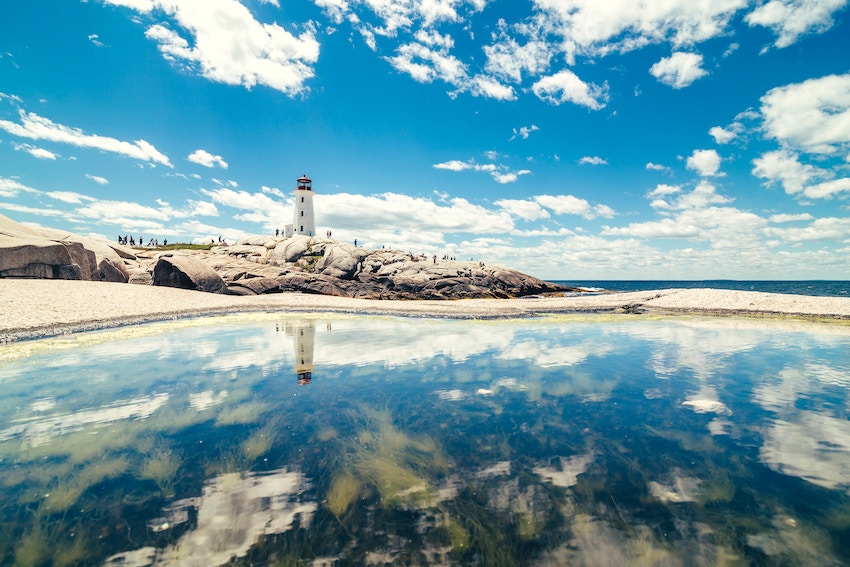
Nova Scotia is home to over 160 historic lighthouses, but no beacon is as photographed as the one in the vibrant fishing village of Peggy’s Cove. Built in 1915, Peggy’s Point Lighthouse still keeps watch over surging ocean waves and working lobster boats. Scramble over giant rocks worn smooth by the sea and share in the view.
Other Resources
References and Citations
https://en.wikipedia.org/wiki/Atlantic_Canada
https://en.wikipedia.org/wiki/Newfoundland_and_Labrador
https://www.newfoundlandlabrador.com/top-destinations
https://www.tourismpei.com/pei-activities
https://www.novascotia.com/explore/top-25
 Home | North American Regions