Prairie Provinces, the Canadian provinces of Manitoba, Saskatchewan, and Alberta, in the northern Great Plains region of North America. They constitute the great wheat-producing region of Canada and are a major source for petroleum, potash, and natural gas. These provinces are partially covered by grasslands, plains, and lowlands, mostly in the southern regions. These locations make up 80% of Canada’s agricultural production.
Prairie Provinces are shown in green
Climate The Canadian prairies experience dry semi-arid climates with annual precipitation of 12 to 15 inches while regions with black and dark brown soils experience some dry, humid continental climate with an annual rainfall of 16 to 20 inches. Of the three Prairies, Manitoba is the coldest as well as the most humid. The region is also apt to experience thunderstorms during the summer and spring which sometimes are vigorous enough to create a tornado, especially in the far south of the province.
Main Attractions Manitoba • Polar Bear Safari in Churchill
Polar Bear
Since long before Churchill had a human history, it was the polar bear capital of the world. Today, every October and November, up to 900 of these generally solitary creatures gather outside Churchill, making it the world’s greatest concentration of polar bears. Expectant bears fatten up on seals before coming on land to take their dens and bear young. The bears’ massive denning area was placed under the protection in 1996, and travelers are permitted to visit only as part of an authorized tour group. Beyond the excitement of seeing roving polar bears, the late fall night skies frequently pun on a show of their own, pulsing with the aurora borealis. These are the northern lights, shifting curtains of multicolored light that swirl across the sky, as the astral dance between the earth’s magnetic field and electrons and protons brought in by gusts of solar wind.
Saskatchewan • Wanuskewin Heritage Park
Wanuskewin Heritage Park
Six thousand years ago, Wanuskewin echoed with the thundering hooves of bison and the voices of Indigenous peoples from across the Northern Plains; the land still echoes with these stories that Wanuskewin is proud to share with the people. The nomadic tribes who roamed the Northern Plains gathered on this site of natural beauty where today visitors can relive the stories of a people who came here to hunt bison, gather food and herbs and escape the winter winds. Walking in their footsteps, you will understand why this site was a place of worship and celebration, of renewal with the natural world and of deep spirituality. The story of Wanuskewin is just beginning to be uncovered. Some archaeological dig sites date back thousands of years making them older than the Egyptian pyramids; these sites provide clues to the daily existence of the early peoples. Tipi rings, stones cairns, pottery fragments, plant seeds, projectile points, eggshell fragments, and animal bones all give evidence of active thriving societies. While some sites teach us about life thousands of years ago other sites like the ancient Medicine Wheel still remain shrouded in mystery.
Alberta • Calgary Stampede
Canadian Mounted Police Watching Calgary Stampede
Calgary goes Western during its world-famous stampede, kicking up its boot heels for ten rodeo filled days in July. Rodeos have been a part of Calgary summers since 1886, soon after the city was founded as an outpost for the Royal Canadian Mounted Police. The Calgary Stampede is the world’s largest and most prestigious rodeo, with more than 400 of the world’s elite rodeo contestants entered in six major events, competing for a total prize topping nearly $2 million. One of the stampede’s unique competitions is the Chuckwagon Race – not built for speed of grace- contend for the fastest time around the track in a fury of dust and pounding hooves. • Banff and Jasper National Parks
Moraine Lake
Spanning the crown of the majestic Canadian Rockies are Banff and Jasper parks. Banff was Canada’s very first national park as is now 2,656-square-mile giant and Western Canada’s number-one tourist destination. The park’s pride is a pair of shimmering jade green lakes: the stunning Moraine Lake, nestled beneath soaring 10,000-foot peaks, and Lake Louise known for its dramatic setting at the base of Victoria Glacier. One of the world’s most scenic roadways, the 142mile Icefields Parkway links Banff and Jasper National Parks passing through an unbroken panorama of glacier-topped peaks, waterfalls, and turquoise lakes flanked by spruce and fir forests. • The Canadian Rockies by Train
Canadian Rockies by Train
When railroads first crossed Canada in 1885, they did more than bring settlers: They opened western Canada to tourism. Traveling by train through the Rockies is one of the best and more relaxing ways to explore this massive and inspiring country.
Occupying nearly 40 % of Canada’s total landmass, the North is an iconic yet mysterious part of Canada. Though its igloos, icebergs, polar bears, seal hunters, and Northern Lights are some of the country’s best-known symbols, it remains a region few Canadians will ever visit.
Canada’s Northern Territories
“Northern” Canada encompasses all land above the country’s 60th parallel, which is divided into three territories: Yukon, the Northwest Territories, and Nunavut. Upwards of 90% of the land in all three is strictly uninhabitable, a barren wasteland of rock, ice, and snow, meaning the populated areas are located either in the southern regions or close to the coast of a lake, river or ocean. Still, “habitable” remains very much in the eye of the beholder. Even in the North’s larger cities, it’s not at all uncommon for winter temperatures to dip below -40˚(C).
Territory vs. Province — what’s the difference?
Historically, the difference between a Canadian “province” and a “territory” was that territories were run by Ottawa, while provinces had democratic self-government. After self-governance was granted to the territories in the 1970s, the only real distinction was that territorial governments could not charge nor collect royalties on their natural resources — only Ottawa could. This was, in turn, abolished through so-called “devolution” reforms in the 2000s, meaning there are now basically no meaningful differences between a province and a territory beyond a name.
Main Attractions
Nunavut
Baffin Island, Nunavut
The north is like no other place. Far from a frigid wasteland, the Arctic is a land of profound though alien beauty. It is a homeland to the Inuit; habitat for wildlife such as wolves, musk oxen, wolverines, and caribou; and temporary home for millions of migratory birds. Nunavut is Canada’s eastern Arctic and its newest and largest territory – approximately the size of Western Europe. Created in 1999 as a territory for the Inuit people, it has a human population of 30,000, which is outnumbered 30 to 1 by caribou. Few visitors travel to the Arctic, but those who do experience the subtitle yet powerful splendor of the landscape and, during the Arctic summer, witness the explosion of life that occurs when 24-hour daylight ignites a kaleidoscope of wildflowers. Given the precipitous seasonal changes, lack of roads, and minimal infrastructure for tourism, visiting the Arctic isn’t always easy, but a handful of backcountry lodges offer comfortable accommodations and guided adventures.
Yukon
Yukon
In 1896 the cry went up: Gold! A small party of prospectors panning for nuggets on a remote stream of the Yukon River discovered gold and lots of it. Word of Klondike gold fields spread like wildfire, and by 1898, Dawson city, just 165 miles south of the Arctic circle, counted more than 30,000 inhabitants, a boomtown if ever there was one. Nearly all 1898 gold rushers reached Dawson City via the mighty Yukon River, one of the most powerful rivers in North America. The most exhilarating way to enter town is till by river, perhaps even on a guided multi-day canoe trip. You will pass rugged pristine wilderness, First Nation fishing camps, and abandoned mining sited before paddling into Dawson. A city with a year-round population of 1,300. It has become an open-air museum.
The Northwest Territories
Aurora
Want to take the road less traveled? Then start revving up. Canada’s brand-new all-season highway to the Arctic Ocean opened to the public on November 15, 2017.
Inuvik-to-Tuk Highway is a milestone – the first road in history to reach the polar shore of North America. The highway stretches 140 kilometers from Inuvik, the hub of the Western Arctic, to the dynamic Inuvialuit community of Tuktoyaktuk on the wild Arctic coast.
Here’s why to start planning your northernmost road-trip. Head north from Inuvik, population 3,403. This is the regional center of the Mackenzie Delta, linked to the south via the epic Dempster Highway. View the East Channel of the Mackenzie River as it snakes its way northbound toward its mouth at the polar sea. Leave the northernmost reaches of the boreal forest, crossing the treeline into the wide-open tundra of the Barrenlands. Pass through the grazing range of Canada’s only heard of domestic reindeer, tended and harvested in the region since the 1930s. Glimpse the Aurora as it dances over the tundra, far from the glare of city lights. Visit Pingo Canadian Landmark, on the west side of the road, with the world’s largest cluster of ice-cored “pingo” hills. Roll into Tuktoyaktuk, population 935, the Northwest Territories’ Inuvialuit cultural hub. … and when you reach the shore, treat yourself to a brief, brisk dip in the Arctic Ocean. Congratulations – you’ve driven to the top of the world.
British Columbia is the westernmost province of Canada, located between the Pacific Ocean and the Rocky Mountains. With an estimated population of 5.016 million as of 2018, it is Canada’s third-most populous province.
British Columbia is highlighted in red
Climate Coastal southern British Columbia has a mild, rainy oceanic climate, some far southern parts of which are the warm-summer Mediterranean, influenced by the North Pacific Current, which has its origins in the Kuroshio Current. Due to the blocking presence of successive mountain ranges, the climate of some of the interior valleys of the province is semi-arid with certain locations receiving less than 250 millimeters (9.8 in) in annual precipitation. The annual mean temperature in the most populated areas of the province is up to 12 °C (54 °F), the mildest anywhere in Canada. The extended summer dryness often creates conditions that spark forest fires, from dry-lightning or man-made causes. Many areas of the province are often covered by a blanket of heavy cloud and low fog during the winter months, in contrast to abundant summer sunshine.
Top 10 metropolitan areas by population: Vancouver 2,463,431 Victoria 367,770 Kelowna 194,882 Abbotsford 180,518 Nanaimo 104,936 Kamloops 103,811 Chilliwack 101,512 Prince George 86,622 Vernon 61,334 Courtenay 54,157
Main Attractions
Vancouver Sun Yat-Sen Classical Chinese Garden
Sun Yat-Sen Classical Chinese Garden
Canada’s multiculturalism, a fascinating mosaic of peoples and customs, finds its zenith in Vancouver, with one of the highest concentrations of ethnic Chinese residents outside Asia. Just east of downtown is Vancouver’s historic Chinatown, where nearly all of the signs are in Chinese and storefront windows are filled with hanging ducks, bales of dried fish, and unlikely looking medical potions. An island of calm in this otherwise frenetic community is the Sun Yat-Sen Classical Chinese Garden, the first full-scale Chinese classical garden ever built outside China. Its complex network of corridors and courtyards seems like an intricately chambered jewel box, a pocket-sized otherworld.
Yoho National Park
Yoho National Park
Yoho National Park lies in the steep drainage of the Kicking horse river, which boasts Class III and IV rapids, making it one of Canada’s most exciting white-water destinations. A popular short hike leads to a viewpoint overlooking Takakkaw Falls, Canada’s second highest at 1,250 feet.
The Gulf Islands
Strait of Georgia
The rock-faced Gulf Islands lie sprinkled between the mainland city of Vancouver and Vancouver Island, in the Strait of Georgia. Five of the islands are easily reached on BC ferries, from Tsawwassen on the mainland or Swartz Bay on Vancouver Island – the narrow passage between these islands is considered one of the most beautiful ferries rides on earth. Each of the almost 100 islands exudes its own unique character.
Heli-Skiing and Heli-Hiking
Heli-Skiing
Just west of the Canadian Rockies lie waves of mountains: The Cariboo, Bugaboo, Monashee, Selkirk, Galina and Purcell ranges are unknown to many but famous to fans of high-mountain hiking and powder skiing. These remote peaks are beyond the reach of roads and ski lifts, but getting to the mountain top is possible with a helicopter. High-country skiing requires intermediate to advanced skills, but the rewards are unmatched. Over the course of one mind-boggling powder-filled week helicopters set skiers down for 8 to 15 different runs per day, all on snow uncrossed by another human’s tracks. As soon as the snows melt, adventurers can pursue summer hiking and trekking in these same unbelievable mountains. The high country is transformed into a primeval world of alpine wildflowers and monumental views of dozens of snow-capped mile-high peaks.
The Okanagan Valley
Okanagan Valley
The arid yet fertile Okanagan Valley is Canada’s second largest wine-producing area, the first one being Niagara-on-the-Lake in Ontario. Its 100 wineries comprise almost 10,000, producing wines that rival nearby Washington State’s in power, richness, and finesse. Kelowna is an excellent base for tasting expeditions, with more than 18 wineries within a half hour drive.
Pacific Rim National Park
Pacific Rim National Park Reserve
The coastal rainforests, cliff-lined islands, and broad, sandy beaches of Vancouver Island’s remote western flank are preserved as the three-unit Pacific Rim National Park Reserve, a maritime wilderness that’s hallowed ground for ecotourists, long-distance hikers, and sea kayakers. In the first unit, you’ll find the West Coast Trail, a 47-mile track hailed as one of the most spectacular and challenging hikes on the continent. At the mouth of Barkley Sound is the park’s second unit, centered on the Broken Group Islands, a rocky archipelago rich with wildlife. The park’s third unit is its most accessible: the 9-mile curve of Long Beach, some 500 yards wide at low tide and popular in the summer when the weather is sunny and breezy.
Stubbs Island Whale-Watching
Robson Right Ecological Reserve
Separating Vancouver Island from the cedar-flanked coast of British Columbia, Johnstone Strait near Telegraph Cove is home to the wolds’ largest concentration of orcas. Over 200 of these black-and-white whales inhabit these waters, and they have good reason to gather here. In addition to congregating to socialize and mate, the orcas come here to eat: The confines of Johnson Strait force migrating salmon into a narrow channel, which means they are easy to hunt. The area also features the “rubbing beaches” at the Robson Right Ecological Reserve, where the orcas gather at shallow, pebbly beaches to rub their bellies on rocks and gravel – a kind of whale massage. Although these beaches are off-limits to human visitors, wild-life viewing tours can bring you close enough to see these beautiful creatures in their natural habitat.
Victoria’s Inner Harbour
Victoria’s Inner Harbour
Replete with beautifully preserved Victorian-era architecture, British Columbia’s capital has always enjoyed its reputation as being “more British than Britain”. The Inner Harbour is Victoria’s centerpiece, a pocket-sized inlet flanked by historic buildings and bustling with sea-going vessels.
Whistler Blackcomb Ski Resort
Whistler
The giant twin peaks of Whistler and Blackcomb, just 75 miles north of Vancouver on the stunningly scenic Sea-to-Sky Highway comprise North America’s largest ski and snowboard resort, regularly rated No.1 by polls and magazines. After a major construction boom prior to the 2010 Winter Olympic Games, Whistler Blackcomb is now even more incredible than ever. Whistler and Blackcomb are separated by a deep valley and the Peak 2 Peak gondola carries skiers and in the summer thrill-seekers directly between the two summits: it is the world’s longest unsupported cable span.
Central Canada is a region consisting of Canada’s two largest and most populous provinces: Ontario and Quebec.
Central Canada is shown in green
Geographically, they are not at the center of the country but instead toward the east. Due to their high populations, Ontario and Quebec have traditionally held a significant amount of political power in Canada, leading to some amount of resentment from other regions of the country. Before Confederation, the term “Canada” specifically referred to Central Canada. Today, the term “Central Canada” is less often used than the names of the individual provinces.
Main Attractions
Quebec • Montreal After Paris, Montreal is the second largest French-speaking city in the world. It has many attractions, here are a few:
o Montreal Festivals
Montreal Festival
Montreal loves to party, as its reputation as Canada’s “capital of festivals” makes clear. By far the city’s most important event is the 11-day Montreal International Jazz Festival, world’s largest and most prestigious. Starting with a bang – quite literarily-the Montreal International Fireworks Competition lights up the city’s nights from mid-June through late August. The Just for Laughs festival is the world’s largest comedy event. In July, more than 1,600 comedians from over 20 countries come to Montreal for the two-week festival. In late August and early September, the World Film Festival brings together more than 450 international films, with entries from nearly 80 countries.
o Vieux-Montréal
Old Montreal
Montreal got its start in 1642 when a group of French missionaries arrived by the river and set up camp, intent on converting the local Iroquois to Christianity. By 1759, after the British defeated the French for the rule on Canada, the growing city was centered along a narrow stretch of headland above the busy port on the St. Lawrence River. Today’ this is Montreal’s old city center, known as Vieux-Montréal, despite almost 250 years of British rule, it remains a bastion of French diaspora culture. Place Jacques-Cartier is the epicenter of Montreal summer life, with its street performers and horse-drawn carriages – you’ll see why it is commonly used by North American film crews as a stand-in location for Europe.
• Quebec City o Carnival de Québec
Hôtel de Glace
In winter’s frosty midst- partly in defiance, partly in celebration- Quebec City springs to life during the Carnaval de Quebec (Quebec Winter Carnaval). The world’s largest winter carnival and the Mardi Gras of the north, it promises 17 festive days of dancing, music, parades and winter sports. Here you can also try the Caribou drink, a mixture of brandy, vodka, sherry, and port. Presiding over the carnival is Bonhomme, a snowflake and mythical resident of the Ice Palace, an enormous castle built entirely of ice near the Quebec Parliament Building. A high point of the carnival is the International Snow Sculpture Competition. You can stay at the Hôtel de Glace, a 32,000-square-foot hotel constructed of ice and snow. It offers 44 guest rooms and suites made entirely out of snow and ice.
o Vieux-Québec
Le Château Frontenac
Once the capital of New France, Quebec City is one of the oldest European settlements in North America and the continent’s only walled city north of Mexico. Vieux-Québec is divided into the Haute-Ville and Basse-Ville ( Lower and Upper Towns). Towering above all of the Vieux-Québec with green-copper turrets, and in many ways, the symbol of the city is the Fairmont Le Château Frontenac.
• Mont Tremblant Resort and the Laurentian Mountains
Mont Tremblant
Mont Tremblant, North America’s second oldest ski resort after Idaho’s Sun Valley stand atop the highest peak of Quebec’s Laurentian Mountains. The mountain receives more than 150 inches of snow each winter, and a full 50% of its trails are classified expert, including a daunting double-black diamond Dynamite with 42-degree incline, the steepest in Eastern Canada. At the mountain’s base lies Mont Tremblant Village, a pedestrian-only area designed to resemble Quebec City’s historic district, right down to its cobbled streets, wrought-iron balconies, and tin roofs. Mont Tremblant is as busy in summer as in winter. July brings a popular 9-day blues festival; in September the Laurentian Mountains are ablaze with colorful autumn foliage, particularly the fiery red of native sugar maples.
• Charlevoix
Charlevoix
An hour northeast of Quebec City, along the north shores of the St. Laurence River, the and grows rugged; forests of fir, cedar, and spruce edge into farmland, and the banks of the river rise into rock-faced cliffs. Charlevoix beauty began to attract travelers, and during the Gilded Age of the late 1800s, a summer influx of wealthy American families began streaming into the Charlevoix villages known collectively as Murray Bay (in French, La Malbaie, and Pointe-Au-Pic)’ making this the “Newport of the North”.
• Lake Massawippi and Eastern Townships
Lavender Field in Eastern Townships
Quebec’s Eastern Townships feature wide valleys, glacial lakes, and low mountains ( the northern extension of Appalachians) snuggled between the St. Lawrence River and the borders of Maine, New Hampshire, and Vermont. The region’s many farms and vineyards provide the produce, wines and traditional foods that lend a French je ne sais quoi to fine cuisine across the province of Quebec. At the turn of the 20th century, Lake Massawippi, a narrow, 10-mile-long glacier-dug lake flanked by hardwood forests, had become a favorite summer destination for wealthy families; train lines brought America’s captains of industry, who built grand lakefront estates here.
Ontario
• Ottawa o Parliament Hill and Changing of the Guard
Parliament Hill
Parliament Hill with its Gothic revival suite of buildings is the home of the Parliament of Canada and has architectural elements of national symbolic importance. Parliament Hill attracts approximately 3 million visitors each year. Attend the changing of the ceremonial Guards on the Parliament Hill. Distinctive in the scarlet uniforms and bearskin hats, the Band of the Ceremonial Guard attracts huge crowds wherever it performs.
o Rideau Canal and Winterlude
Skating on Rideau Canal
If nature gives you snow and ice, celebrate the joys of winter. That’s exactly what Canada’s capital city has done every February since 1979, during Winterlude. It offers a variety of activities for the whole family like skating and fun in the snow. The Rideau Canal is the centerpiece of Winterlude. Built in the 1930s as a 126-mile military route linking the Ottawa River and Lake Ontario, North America’s oldest continuously operated canal become Winterlude’s main drag when 5 miles of its length, in the heart of Ottawa, are groomed for skating. It is the world’s largest natural frozen ice-skating ring. o Royal Canadian Mint
Canadian Money
The Mint’s facility in Ottawa is responsible for producing collector and commemorative coins, bullion in the form of coins, bars, wafers and grain, medals and medallions. This is also where the master tooling is done to create the dies that strike coin designs for both circulation and commemorative issues. You can visit the museum and watch people at work during the weekdays.
• Toronto o CN Tower and EdgeWalk
CN Tower
The CN Tower’s Glass Floor is a unique experience that has inspired an international bucket list of see-through floor experiences including the Grand Canyon Skywalk, Chicago’s Ledge, and many more. EdgeWalk is CN Tower’s most thrilling attraction in its history and the first of its kind in North America. It is the world’s highest full circle hands-free walk on a 5 ft (1.5 m) wide ledge encircling the top of the Tower’s main pod, 356m/1168ft (116 stories) above the ground. o Hockey Hall of Fame
Hockey Hall of Fame
The Hockey Hall of Fame is home of the Stanley Cup and the finest collection of hockey artifacts in the world. o Art Gallery of Ontario and the Royal Ontario Museum
Royal Ontario Museum
With a collection of more than 90000 works of art, the Art Gallery of Ontario is among the most distinguished art museums in North America. The Royal Ontario Museum is an indispensable resource for building community by nurturing discovery and inspiring wonder. • Niagara Falls and Niagara Wine County
Niagara Falls
Almost a mile wide in total, the falls straddle the U.S.-Canada border and are divided by islands into three sections: the 1,060-foot American Falls, which includes a smaller section called Bridal Veil Falls, and the 2,600-foot Horseshoe Falls on the Canadian side. The Canadian side offers the best views including the illumination shows. The Niagara Peninsula, a neck of land that separates Lake Erie from Lake Ontario and shares Tuscan’s Latitude, is the largest viticultural area in Canada, with some 60 wineries what account for 80% of Canada’s grape-growing volume. • The Stratford Festival
The largest classical repertory theatre in North America, the venue offers over a dozen productions yearly, from mid-April through early November. In addition to world-class production of Shakespeare, it mounts a broad range of classic plays on its four stages.
Atlantic Provinces of Canada are comprising Newfoundland and Labrador, Prince Edward Island, Nova Scotia, New Brunswick. The population of the four Atlantic provinces in 2016 was about 2,300,000 on half a million km2.
Atlantic Provinces are shown in green
Main Attractions
Newfoundland and Labrador
• Gros Morne National Park
Gros Morne National Park
Gros Morne National Park is sometimes called the “Galapagos of Geology” because its rocks provide fascinating evidence for plate tectonics – a theory that is to geology what evolution to biology. A place of immense splendor and lonely beauty, it is eastern Canada’s most renowned hiking and adventure destination. Start your exploration at the Discovery Center with exhibits on the geology, plant and animal life, and diverse history of the Northern Peninsula. One of the parks indisputable highlights is the rugged massif called Tablelands, where hiking trails meander over rocks jutting up from the ancient mantle in the earth’s interior. The boulders have such unusual chemistry that many plants cannot easily grow in their orange-brown terrain.
• St. John’s
St. John’s
St. John’s in Newfoundland and Labrador’s capital. It is the perfect combination of big-city luxury and traditional small-town charm. It is one of the oldest and most easterly cities in North America. St. John’s has become a rare destination full of character and charisma, with a contemporary, sophisticated edge.
• Terra Nova National Park
Terra Nova National Park
Terra Nova National Park is Canada’s most easterly national park. Four hundred square kilometers of natural beauty. Here you can kayak or boat from sheltered bays to breathtaking coastlines, amongst whales and seabirds. Dense forests and quiet coastlines wait to be explored along 11 beautiful hiking trails. As you walk along the twisting paths you might spy a moose, lynx, beaver, or an eagle.
• Torngat Mountains National Park
Torngat Mountains
Torngat Mountains National Park takes its name from the Inuktitut word Tongait, meaning place of spirits. It is 9,700 square kilometers of spectacular wilderness stretching north from Saglek Fjord to the northern tip of Labrador, and westward from the Atlantic seacoast to the Québec border. It’s a land of mountains and polar bears, small glaciers, and caribou, where the Inuit hunt, fish, and travel, as their predecessors did for thousands of years.
Prince Edward Island
• Canada’s smallest province
Oysters
Prince Edward Island (PEI) is a low-lying, richly agricultural isle in the Gulf of St. Lawrence. PEI is a pastoral as a postcard, with tiny farm towns set amid rolling green hills and coastal villages on rocky bays where fishermen pull lobsters, clams, scallops, and oysters from the sea. Charlottetown is PEI’s one true hub, though it feels more like a friendly small town. Its waterfront, with Peake’s Wharf at its center, is a lively place to visit. Above the waterfront, the old town center is nobler, with Georgian-era homes and storefronts. Charlottetown celebrates its fishing heritage during September’s International Shellfish Festival. Those prized Malpeque oysters, shipped worldwide, taste twice as sweet here.
• Anne of Green Gables
PEI is the setting for a popular novel Anne of Green Gables
When the novel Anne of Green Gables was first published in 1908, most people could only dream of visiting its magical setting. As the book became popular around the world, it’s likely that many readers had no idea where Prince Edward Island was. Today, millions of the book’s fans have made the trip to PEI and discovered the land that captivated Anne in Lucy Maud Montgomery’s stories. And for those who just can’t get enough of their favorite red-headed girl, or the woman who created her, there are Anne-related attractions all over the Island.
• Authentic PEI Experiences
PEI Lobsters
In an ever-growing series of activities, you can work side-by-side with chefs, artisans, fishermen, farmers, musicians, and a host of people who defy categorizing, but who love what they do and want to share it with you. So, if you’re looking for a holiday with some real life behind it, you’ll find it here. Yes, you might get your hands dirty. You might also get your shoes wet. And your knees stained. All temporary. But the memory of your Island experiences will last a lifetime.
New Brunswick and Nova Scotia
• Bay of Fundy
Bay of Fundy – Hopewell Rock
The Bay of Fundy boasts the world’s highest tides, rising as much as 48 feet in six hours- more than 22 times greater than the average tide in open seas. The hard-rapid tides have sculptured the bay’s cave-pocked coastline, reducing huge boulders to fancy shapes, such as the Hopewell Rocks, which just from the sand with miniature forests on their summits. The bay is best observed at Fundy National Park, established in 1948 to protect 80 square miles of coastline and forested mountains on the bay’s New Brunswick coast. So dramatic is the difference between low and high tide that, at the park’s Alma Beach, almost three-quarters of a mile of tidal flats are exposed at low tide. Then, when the water comes rushing back in, it produces a roar at mid-tide called “the voice of the moon”.
Nova Scotia
• Cape Breton Island
Cape Breton Island
As it juts northward between the Atlantic Ocean and Gulf of St. Laurence, Nova Scotia’s Cape Breton Island becomes increasingly mountainous and barren. Cape Breton Highlands National Park protects much of the island’s northern tip, a region so remote it wasn’t even accessible by car until the 1930s. Today, you can take one of the greatest drives here: the 184-mile-long Cabot Trail. Follow the picturesque, craggy coastline around the 365-square-mile national park, passing centuries-old French Acadian and Scottish fishing villages before pushing up and over the island’s central plateau, between Pleasant Bay and Cape North – a striking moorland with stunned old-growth hardwood forests and tundra-like meadows.
• Old Town Lunenburg
Lunenburg
In the 1750s, lured by the prospect of free land, nearly 1,500 Protestant pioneers from Germany, Switzerland, and France set sail under the protection of the British Crown to establish a colony on the coast of Nova Scotia. With them was a set of town plans drawn up by the London-based Board of Trade and Plantations. As part of the agreement with their British sponsors, the colonists would use these plans to build a predesigned “model town” in the Canadian wilderness. The Lunenburg colony survived and prospered as a well-known shipbuilding and fishing center. Little change has come to its Old Town and waterfront since the 1700s, and two and a half centuries after its establishment, the tiny coastal hamlet is still in near-pristine condition.
• Halifax Waterfront
Halifax Waterfront
Discover the historic port city of Halifax when you walk along the Halifax waterfront. Start at the Canadian Museum of Immigration at Pier 21 – the gateway into Canada for one million immigrants – and then explore eclectic shops and galleries, some of the city’s best restaurants, and ships including the last of the WWII convoy escort corvettes.
• Peggy’s Cove
Peggy’s Cove
Nova Scotia is home to over 160 historic lighthouses, but no beacon is as photographed as the one in the vibrant fishing village of Peggy’s Cove. Built in 1915, Peggy’s Point Lighthouse still keeps watch over surging ocean waves and working lobster boats. Scramble over giant rocks worn smooth by the sea and share in the view.
There are so many beautiful and varied places in this area that I decided to focus solely on the main attractions if this post.
Main attractions
Colorado
• Skiing and Snowboarding in Colorado
o In Aspen for high-society and glorious experience at America’s best place to ski. Aspen’s four mountains offer nearly 5,000 skiable acres, and all are linked by free shuttle service and transferable lift tickets.
o Durango is a young-at-heart mountain town nestled in the Animas River Valley between the desert and the San Juan Mountains. The Durango Mountain Resort has 1,200 skiable acres.
Steamboat Springs
o Steamboat Springs is home to more Winter Olympics athletes than any other place in the United States. Here, you can enjoy winter sports and relax at one of the many Hot Springs.
o Telluride is a great place for beginner skiers and snowboarders as two-thirds of its 115 ski slopes are for beginners and intermediates. It is also one of the prettiest settings in the Rockies, one of the best-preserved gold and silver mining towns in the state.
• Mesa Verde – Awe-inspiring Cliff dwelling in Desert Canyons
Cliff Palace
Located in the area known as the Four Corners, where Colorado, New Mexico, Arizona, and Utah meet, Mesa Verde is the only national park in America devoted exclusively to archeology. Here you will find masonry dwelling s tucked into alcoves along steep canyon walls by Anasazi between A.D. 600 and 1300.
• Rocky Mountain National Park
Rocky Mountain National Park
Housing three distinct ecosystems within 415 square miles, Rocky Mountain National Park is Colorado’s natural showpiece, a place of sparkling streams, glacial lakes and rugged peaks galore – Long Peak stands at 14,259 feet. Wildlife thrives in this Alpine setting, from elk, moose, and bighorn sheep to elusive mountain lions, bears and coyotes; wildflowers bloom from May to August.
Wyoming
• Grand Teton National Park and Jackson Hole Valley
Jackson Hole
Craggy, glacier-chiseled and rising to 7,000-plus feet above the floor of Wyoming’s Jackson Hole Valley, the dramatic peaks of Grand Teton National Park win America’s topographical beauty pageant. With no foot-hills to blemish the view, the often-photographed Tetons dominate the skyline with a grandeur that’s utterly primeval. You can admire these peaks from Jackson Hole Valley.
• Yellowstone National Park
Yellowstone National Park
Established in 1872, Yellowstone National Park is America’s oldest national park, known worldwide for the geysers and geothermal pools that date back to its volcanic past. The legendary geyser known as Old Faithful is just the beginning of the attractions here. Bears and herds of bison roam the Hayden Valley, while moose and elk linger near the hot springs terraces at Mammoth, and some 322 bird species flit from spruce to fir. White and gray wolves hunt in the Lamar Valley. 60% of earth’s geysers are found in this park!
Idaho
Idaho is one of America’s most revered fishing destinations, with 2,000 lakes. 16,000 miles of streams and 39 species of game fish.
• Lake Coeur d’Alene
Lake Coeur d’Alene
Nested in a glacier-dug channel between low mountains, the lake delights visitors by myriad water activities, from Chinook salmon and trout fishing to steamboat rides, water-skiing, and sunset dinner cruises.
• Middle Fork of the Salmon River
Middle Fork of the Salmon River
It is ranked one of the top stretches of white-water river in the world, a holy grail for river runners. The river drops some 3,000 feet in 100 miles, churning through 100 deep-rolling Class III and IV rapids, carrying you to sand beaches for overnight camping and natural hot springs for relaxing.
• Sun Valley
Bald Mountain Sun Valley
It is America’s original ski destination and is still beloved as one of the finest ski resorts on the continent.
Montana
• Glacier National Park
The epic mountain scenery of the Glacier National Park believed by the Blackfeet Indians to be sacred ground. Created by the movement of massive glaciers, this park claims one of the most intact ecosystems in the temperate zone.
• Big Hole Country
Big Hole Valey
It is the state’s southwest corner, one of the most beautiful areas – 6,000 feet elevation prairie basin. For fly-fishers, the focus is the Big Hole River, a blue-ribbon trout stream in a state blessed with outstanding fishing.
Washington
• The San Juan Islands
San Juan Islands
Although the archipelago is composed of more than 750 islands, scattered across 10,000 square miles, only 170 of them are named. Of those, only about 40 are inhabited.
• Seattle’s Pike Place Market
Pike Place Market
Opened in 1907, it is the oldest continuously operating farmers markets in America.
Oregon
• Crater Lake National Park
Crater Lake
Most visitors are drawn to Crater lake by its perfect, jewel-like beauty, unaware of its catastrophic geological origin. The massive Mount Mazama collapsed inward on itself, resulting in a 6-mile-wide caldera that was slowly filled with water, creating nations deepest lake.
• The Oregon Coast
Oregon Coast
Sculptured by the turbulent waves of Pacific, Oregon’s 362-mile coastline is one of nature’s masterpieces. The entire length of the cost in public land, with most of it still nearly undeveloped.
• Willamette Valley
Winery
At the end of the historic Oregon Trail, close to 10,000 acres of rolling vineyards unfold in the northern Willamette Valley. It is one of the two wine producing regions that helped make the state the envy of vintners from California and France.
Utah
• Moab and Red Rock Country
Moab and Red Rock Country
The adventure-travel epicenter of canyon country is a surprisingly small town. Begun as a Mormon settlement in 1855, and enjoying the boom as a uranium mining center in the 1950s, Moab reinvented itself in the 1980s, when proponents of mountain biking discovered that the endless miles of colorful smooth rocks were perfect for fat-tired fun.
• Salt Lake City’s Temple Square
Salt Lake City’s Temple Square
Revered by Mormons as the Vatican by Catholics, Temple Square holds a 12-foot statue of the angel Moroni. The Grammy-winning, 360-member, all-volunteer choir performs Sunday mornings and rehearses on Thursday evenings, both events are open to the public.
• Zion and Bryce National Parks
Bryce National Park
It’s hard to pick favorites among Utah’s five gorgeous national parks, but Zion and Bryce National Parks would have to be the top two.
Nevada
• The Las Vegas Strip
Las Vegas
The 4.5-mile stretch of Las Vegas Boulevard is the world capital of glitter, adorned with pleasure palaces, 24-hour casinos, and quick-hitch wedding chapels.
California
• California Wine County
Sonoma Winery
If America has an answer to Tuscany- our own locus for great wine, great food, and the good life- Napa, and Sonoma valley are it. These fraternal twins, separated at birth by the Mayacamas Mountains, now bask in international recognition among oenophiles. Together they produce about 10% of the world’s wines
• California Mission Trail
San Juan Capistrano
The missions represent a dynamic chapter of California’s past. The 21 missions that comprise California’s Historic Mission Trail are all located on or near Highway 101. Largely reconstructed after the ravages of time, weather, earthquakes, and neglect, most of the missions still operate as active Catholic parishes, with regularly scheduled services. Booklets for self-guided tours are usually available; hours of operation and fees may vary.
• Death Valley National Park
Death Valley National Park
Located in the northern reaches of the Mojave Desert, Death Valley National Park is the lowest, driest, and hottest spot in America, with scorching summers that reach 125°F and higher. Though the heat may be brutal, there’s a striking beauty here, from the stark, parched Deadman Pass and Dry Bone Canyon to the soaring drama of Telescope Peak at 11,049 feet. Fifty-one species of mammals, 307 species of birds, and 1,000 species of plants are indigenous to this desiccated land that receives just 2 inches of rain a year. À
• Los Angeles
Hollywood
If one city characterized the American Dream, it’s Los Angeles. Over the years it has been a magnet for countless dreamers who come here to remake themselves in the land of year-round sunshine and commercialized make-believe. The top attractions in this city are:
o Getty Center and Getty Villa – The 110-acre, six-building Getty Center hold an enormous collection of pre-20th-century European art as well as photography from all over the world. A commanding hilltop citadel of glass and off-white travertine, the center is a work of art itself.
o Los Angeles County Museum of Art and Museum Row- The largest art museum in Western America presenting 150,000 objects dating from ancient times to the present.
o Walt Disney Concert Hall and the Los Angeles Philharmonic – Since 2003, the soaring Walt Disney Concert Hall has become downtown L.A. dazzling landmark. An undulating mass of shiny steel seems to billow like a ship at full sail.
o Hollywood- Take a cheesy Starline 2-hour movie-star homes to drive and don’t forget to look for that famous “Hollywood” sign.
o Beverly Hills- Through less than 6 square miles, Beverly Hills looms large in the world’s collective imagination as the epitome of glamour and prestige.
o Santa Monica- Elegant and laid-back it is a pedestrian-friendly city fronting onto the Pacific that feels much more than just 15 miles from the central L.A.
o Venice and Venice Beach- Famous for its beachfront view, Venice was founded in 1905 as a suburban replica of Venice, Italy, complete with canals and gondolas. Though some canals still exist, they are not nearly as noteworthy as the 3-mile long Venice Beach boardwalk along white sand beaches.
• Disney and Disney California Adventure – A day trip from L.A.
• The Pacific Coast Highway and Big Sur
Big Sur
The Pacific Coast Highway is America’s dream drive, offering two lanes through gorgeously isolated terrain, and frequent turnoffs and vantage points to soak in the astonishing beauty.
• San Francisco
Golden Gate Bridge, San Francisco
With a stunning waterfront it is America’s most livable big city, with wonderful food, fascinating and unique neighborhoods it has many attractions:
o Alcatraz Island- America’s best-known prison.
o Green Gate Park – is a magical place that brings together towering redwood forests, a Japanese tea garden, the California Academy of Sciences, herds of American bison and the outstanding Young Museum.
o The Presidio and the Golden Gate Bridge.
o De Young Museum- opened in 2005, it houses collections from the Americas, Oceania, and Africa.
o California Academy of Science- it encompasses the Steinhart Aquarium, Morrison Planetarium, Kimball Natural History Museum and world-class research and education programs.
o San Francisco Chinatown
o San Francisco Fishermen’s Warf
• Yosemite National Park
Yosemite’s 8,842-foot trademark peak Half Dome and El Capitan, the largest single granite rock on earth, the magnificent Yosemite Falls are also the highest on the continent make it a must-see attraction.
Alaska
• The Iditarod in Anchorage
Dogs in Anchorage
Starting in Anchorage every March and ending 8 to 15 days later in Nome, the Iditarod is the greatest endurance tests in sport, with competitors mushing sled dogs across 1,150 miles of snow and ice in temperatures as low as 60 °F below zero. It is Alaska’s largest spectator sport. If you win the bid for a spot on a musher’s sled for the first 11 miles.
• Denali National Park
Denali National Park
At 20,230 feet, Mount McKinley stands as the tallest peak in North America. It is the primary attraction of this park, but not the only one. You can spot grizzlies (and hope that they don’t spot you), moose, and golden eagles. In the summer you will enjoy 16-20 hours of light in which to take in the dazzling scenery of sweeping vistas of subarctic tundra, glaciers and massive peaks of the Alaska Mountain range. You can book one of the plane or helicopter excursions to see the beauty of this protected area.
• Inside Passage and Glacier Bay
Glacier in Alaska
Alaska has over 40,000 miles of coastline, and you can take in some of the most beautiful from your ship’s deck while sailing the Inside Passage. The big draw is the astounding wilderness, with snow-capped mountains, deep rain forests, and a maze of islands that are home to whales, sea lions, sea otters, harbor seals, porpoises and seabirds.
Hawaii
• Hawai’i Island (Big Island)
Hawai’i Island
The youngest, largest and most primal of the 1,500-mile-long Hawaiian archipelago, Hawai’i Island has all the necessary tropical delights and awe-inspiring natural attractions, including the world’s most active volcano.
• Kauai
Kauai
The greenest and oldest of the main Hawaiian Islands, Kauai is essentially a single massive volcano rising 3 miles from the ocean floor. Two-thirds impenetrable, it has provided a scene-stealing vision of tropical paradise for many Hollywood movies and TV shows. More rain falls here than in the rest of Hawaii-Kauai is known as the birthplace of the rainbow- and it’s so extravagantly covered with flowers and dense vegetation that it effortlessly earns its nickname “The Garden Isle”.
• Maui
Maui
Known for its miles of stunning beaches, lush rain forests, and a mix of crowd-pleasing resorts and luxurious hideaways, Maui embodies the spirit of aloha, an expression used to say hello and good-bye that actually means love. Visit the world’s largest dormant volcano Haleakala, it is so large that Manhattan could fit inside.
• Lana’i
Pineapple Island
Hawaii’s most secluded island, tiny unhyped Lana’i was the state’s largest pineapple plantation, a Dole empire called “Pineapple Island”. Since then it has become both a luxury retreat for the rich and an adventure outpost for day-trippers from Maui, a short ferry ride away.
• Molokai
Molokai
Blessed with lush vegetation and carved by eons of pounding waves that produced the world’s tallest sea cliffs and some of Hawaii’s longest waterfalls, Molokai is Mother Nature’s wild and uninhibited work of art and one of Hawaii’s least developed places.
• Oahu
Oahu
Oahu, the third largest island, has been a magnet for tourists almost since the days of Hawaii’s last kings. It is easy to understand why when you consider the daily rainbows that arch over its more than 125 beaches, the thundering waterfalls that cascade into crystal blue lagoons, the perfect waves that roll steadily to shore.
The Southwestern United States is composed of only 4 states, listed with their capitals:
Austin, Texas
Oklahoma City, Oklahoma
Santa Fe, New Mexico
Phoenix, Arizona
Cities
The top 5 cities in The Southwestern United States are:
1. Phoenix, Arizona
2. El Paso, Texas
3. Albuquerque, New Mexico
4. Tucson, Arizona
5. Mesa, Arizona
Climate
This region is known for its dry climate. Summers can be extremely hot in the South, with temperatures climbing up to 100-125°F.
Main attractions
Texas
• Austin’s Life Music Scene – The lone star state’s beat
Austin’s Life Music Scene
Although Austin is the seat of state government and home to one of the largest universities in America, its soul resides in its music. Laid-back and fun-loving, the city bills itself as the Live Music Capital of the World and claims more than 250 venues. Austin’s year-round music nerve center is on Sixth Street and in the Red River District.
• The Dallas Arts District – Cultural Jewels in Big D
Meyerson Symphony Center
The Dallas Arts District is the centerpiece of the city’s cultural life, a 68-acre. 19-block enclave built by some of the world’s finest architects to hold some of the best collections of art anywhere. The district includes the must-see unusually angular Meyerson Symphony Center, the extravagant Winspear Opera House and the Dallas Museum of Art containing modern masterpieces in a lush setting. The Crow Collection of Asian Art presents collections containing religious and secular pieces from diverse eras and cultures.
• Houston’s Art Museums – An extensive collection of Texas treasures
Orange Show Center for Visionary Art
When it first opened in 1924, the Museum of Fine Arts Houston was the first art museum in Texas and only the third in the American South. One of the most visited of the 18 venues that make up the city’s Museum District, today it is the fifth largest museum in the country. Also, in the museum district is the Menil Collection, widely esteemed as one of the finest private museums in the United States. For something really different, see the Orange Show Center for Visionary Art. Created by Houston postal worker, it is an architectural wonder and an ode to outsider art made from recycled. Tiles, concrete, tractor, seats, and mannequins.
• San Antonio River Walk – A lively oasis in a multicultural town
San Antonio River Walk
Mark Twain rated San Antonio as one of America’s most outstanding cities. Today, he would recognize the city’s historic showpiece, the Alamo, but not its other most-visited attraction, the Paseo del Rio, or River Walk, a lively cobblestone boardwalk that unfolds among cypress, oaks, flowering bushes and willows among both banks of the lazy San Antonio River. The River Walk is particularly wonderful during the Christmas season, when more than 120,000 twinkling lights illuminate its vintage façades and bridges, and in late April, when the whole city stops for the Fiesta San Antonio, 11 days of events highlighted by three parades and set to the score the city’s signature Tejano music, a unique blend of Mexican and German influences. Indulge in more of the city’s Hispanic heritage at Market Square, consisting of El Mercado, the largest Mexican market outside Mexico.
• Texas Hill County – Back roads and bluebonnets
Bluebonnets
With a gently rolling landscape that never reaches more than 1,900 feet above sea level, Texas Hill County was settled in the mid-1800s, mostly by German immigrants, whose ethnic influence can still be felt in local Octoberfest and Christmastime festivals in and around Fredericksburg, the area’s prettiest town. Here, you can also follow the Fredericksburg Wine road, aka U.S. Highway 290 which links Hill County wineries.
Man Wearing a Cowboy Hat
On Saturday afternoons between March and December, the town of Bandera, the self-appointed Cowboy Capital of the World, hosts Cowboys on Main, a street party with chuck wagons, barbeque stands, and roping trick demonstrations.
Oklahoma
• Oklahoma City’s Cowboy Culture – Where the Wild West lives on
Brown Horse
When Cattlemen and cowboys come to Oklahoma City, they head straight for Stockyards City Main Street, a retail district right in the center of town and still the location of saddleries and Western-wear clothing stores. On Mondays and Tuesdays, you can see live cattle being auctioned at the world’s largest stocker/feeder market, right next to the Oklahoma National Stockyards. Oklahoma has more horses per capita than any other state and Oklahoma City has more horse shows than any other city in America. Best time to visit this place is during November’s American Quarter Horse Association World Championship Show, where competitors from around the world demonstrate their cowboy skills. Oklahoma is also home to 39 Native American tribes who come together along with other North American tribes for a 3-day Red Earth Native American Cultural Festival in June to showcase their art, dancing, and parades.
• Tulsa’s Gilcrease Museum showcasing artifacts devoted to the American West
Oral Roberts University, Tulsa
An unsurpassed repository for the best of the Old West, the Gilcrease Museum is the lasting legacy of Thomas Gilcrease. He struck it rich in 1905 when oil was found on his 160-acre land. He spent his profits amassing the world’s largest collection of devoted to American West. When the price of oil dropped in the 1950’s he deeded the entire collection to the city of Tulsa. The town itself is a sort of open-air museum, thanks to all the grand Art Deco homes that were built in the 1920s to 1940s period, to remind the world of the town’s status as “Oil Capital of the World”.
Arizona
• Canyon de Chelly – Sacred outdoor museum of the Navajo Nation
Canyon de Chelly
Owned by the largest recognized tribe in America, Canyon de Chelly radiates quiet magic and spirituality that inspired mythology guru Joseph Campbell to call it “the most sacred place on Earth”. Canyon de Chelly has partially carved multistore dwellings, which are the oldest dwelling sites in North America. They are the main attraction of this 130-square-mile historic area.
• Grand Canyon – Nature’s masterpiece
Grand Canyon
Few things in this world produce such awe as the Grand Canyon. The mile-deep chasm carved by the Colorado River is a staggering 277 miles long and up to 18 miles wide. Its striated wall change color by the hour, shifting from crimson to orange to purple. The most popular viewing spot is the South Rim, where the overlooks are the most dramatic and hiking trails wait to be explored. If you are looking for an easy and paved path, check out the Rim Trail. The area’s newest traction is the exhilarating 70-foot-long glass-bottomed Grand Canyon Skywalk, which extends 4,000 feet above the canyon floor. Located in the Grand Canyon West, on the Hualapai Indian Reservation, it’s a popular stop on most day trips leaving from Las Vegas. Adventurers looking for an insider glimpse of the masterpiece for nature should raft the swift-moving Colorado river, make sure to book in advance as spots fill up quickly. The rafting adventure can last between a few hours and 2 weeks, depending on your interests and time allocated for this trip.
• Lake Powell – Man-made sea of the Southwest
Rainbow Bridge
Lake Powell is America’s second largest man-made lake, whose turquoise waters shimmer like a mirage in the red rock county of Northern Arizona and southern Utah. Measuring 185 miles long and creating some 2,000 miles of more or less road-free shoreline, Lake Powell has become the “houseboat capital of America”. Countless sandy coves and beaches can be explored by day, while nighttime means spectacular stargazing. On the southern edge of the lake, Rainbow Bridge is a site of deep spiritual significance to the Navajo, who call it “the rainbow turned into stone”. At 290 feet high and 275 feet across, it is the longest natural bridge in the world.
• Monument Valley Navajo Tribal Park
Monument Valley Navajo Tribal Park
Located at the Arizona Utah border, Monument Valley is a vast barren plain punctuated by towering red-rock formations. Follow the rough 17-mile dirt road from the visitor center to see starkly eroded buttes, some reaching 1,000 feet above the valley floor with names like Totem Pole, the Mittens, and Elephant Butte. If you want to wander off the road, you must be in the company of a Navajo guide.
New Mexico
• Albuquerque International Balloon Fiesta
Albuquerque International Balloon Fiesta
At roughly the size of a house, the average hot-air balloon is mighty impressive. Now imagine more than 500 of them, slowly inflating and lifting into the sky! Albuquerque International Balloon Fiesta is the world’s largest hot-air balloon rally, held since 1972. If flying away on a hot-air balloon is not your thing, but you still want to experience the heights, ride the Sandia Peak Tram, which is 2.7 miles long, world’s longest aerial tramway. It runs from the northeast corner of the city to the top of the Sandia Mountains, 10,378 feet up.
• Carlsbad Caverns – Underground wonder in the Chihuahuan Desert
Carlsbad Caverns
One of the world’s most complex, astounding, and easily accessible cave systems winds beneath the Guadalupe Mountains in southeastern New Mexico. Carlsbad Caverns National Park contains more than 100 known caves, the remains of a fossil reef from an inland sea that covered the area some 250 million years ago. Take a step walkway or an elevator 750 feet underground to the Big Room, one of the most enormous underground spaces on the planet. It is large enough to hold six football fields! Follow the mile-long trail to see natural formations resembling waterfalls, straws, totem poles and draped silk.
• Cumbres & Toltec Scenic Railroad – All aboard!
Old West Railroad
Ride a steam-powered train for the prettiest and most authentic Old West railroad experience. At 128 miles round-trip, the Cumbres & Toltec is the longest narrow-gauge train route in America. The 3-foot-wide train tracks were built more compactly than standard gauge to hug the sheer sides of Toltec Gorge, 600 feet above the Rio Chama, and to pass through two tunnels and over two 100-foot-high trestles. At Cumbres Pass, elevation 10,015 feet and the highest point in the United States reached by scheduled passenger trains, you can see the pastoral Chama Valley below, surrounded by densely wooded Rio Grande, Carson, and Santa Fe national forests.
• Roswell – Out of this world!
Are aliens real?
In July of 1947, local ranchers described finding pieces of purple metal inscribed with strange hieroglyphics that crashed to Earth from the sky. Reswell has become synonymous with unidentified flying objects. The place has been the subject of movies and TV shows. Every July Fourth weekend, the annual Roswell UFO Festival features lectures, workshops, and abduction panels, plus lighthearted costume contests, fireworks, and a parade down Main Street. The infamous Hangar 84, where the government stored the debris from the mysterious crash, can be seen year-round as a highlight of Roswell UFO Tour.
Other Resources
The area is mainly served by Southwest Airlines, you can book a flight, rent a car and book a hotel on their website.
The Midwest occupies the northern central part of America. It is located between the Northeastern United States and the Western United States, with Canada to its north and the Southern United States to its south.
Midwestern States and their capitals
This region consists of 12 sates, listed with their capitals:
Minnesota, St. Paul
North Dakota, Bismarck
South Dakota, Pierre
Nebraska, Lincoln
Kansas, Topeka
Iowa, Des Moines
Missouri, Jefferson City
Wisconsin, Madison
Illinois, Springfield
Indiana, Indianapolis
Michigan, Lansing
Ohio, Columbus
The region generally lies on the broad Interior Plain between the states occupying the Appalachian Mountain range and the states occupying the Rocky Mountain range.
The top 5 most populous cities in the Midwestern United States are:
Chicago, Illinois (third largest city in America)
Indianapolis, Indiana
Columbus, Ohio
Detroit, Michigan
Louisville, Kentucky
Climate
The weather in the Midwest varies dramatically from state to state and season to season. Without any oceans in proximity to moderate the changing temperatures, summers in the region can be brutally hot, while winters can be cold. Temperatures in this region can swing 100 or more degrees between winter and summer.
Main attractions
Minnesota
• Boundary Waters Canoe Area Wilderness – Ely
Boundary Waters Canoe Area Wilderness Camping
More than 1,000 lakes- ranging from 10 to 10,000 acres each – are scattered through the piney wood along the Minnesota – Ontario border. On the Minnesota side lie a stunning 1 million protected acres of land known as the Boundary Waters Canoe Area Wilderness, the largest American wilderness preserve east of the Rockies.
Michigan
• Mackinac Island – a Victorian relic in the Great Lakes
Mackinac Island
The golden Victorian era is preserved on Mackinac Island, with horse-drawn carriages clip-clopping down vehicle-free streets and pedestrians stopping in ice cream parlors and cafés. It can seem a bit touristy, but Mackinac is also overwhelmingly charming. Hike up to Fort Mackinac or wander the other 80 percent of the island that is protected as a state park.
Missouri
• Kansas City BBQ and Jazz – A culinary and musical mecca
Kansas City BBQ
In Kansas City, barbeque is king – its millions of fans have included native sons like jazz legends Charlie Parker and Count Basie. Queue up at any of the 100+ joints in town for short ribs and “brownies” – crispy, covered scraps of beef brisket, smothered in sauce. Unlike other BBQ meccas, Kansas City prides itself on its anything-goes attitude. You can try pork, beef, mutton, sausage, and chicken with a variety of sauces composed of tomatoes, vinegar, sugar, honey, molasses, mustard, and garlic.
Kansas
• Tallgrass Prairie National Preserve – Strong City
Tallgrass
Experience the almost extinct tallgrass prairie. Currently, only 4% of the original 170-million acres of tallgrass prairies remain in America. If you have never seen a tallgrass prairie, you will love the Tallgrass Prairie National Preserve in the Kansas Flint Hills.
Ohio
• Rock and Roll Hall of Fame and Museum – Cleveland rocks!
Rock and Roll Hall of Fame and Museum
The glass pyramid of the museum echoes the one in Louvre, Paris. It’s an ideal home for the heritage of rock and it guarantees a pretty fun afternoon at the museum! Exhibits are interactive, there is lots of sound and videos. The permanent collection includes instruments and costumes of famous rock stars.
Illinois
• Chicago
Cloud Gate by Anish Kapoor
Chicago is an exemplary American city, its towering skyline on Lake Michigan a testament to its strong roots and rampant optimism. The “City of Big Shoulders” has a reputation of a dining hotbed, a world-class center for art and a showcase for jazz and blues. This city has a multitude of attractions:
American Gothic
o Art Institute of Chicago is famed for its collection of French Impressionists and Post-Impressionist paintings. Here you can see the famous painting by Grant Wood – “American Gothic”.
o Chicago Architecture Tour – a showcase of the 20th-century architecture. Visit the Skydeck of the Willis Tower and take in the sights from the new glass-floored floating 1,353 feet in the air.
o Museum of Science and Industry showcases an authentic WWII German submarine and lets you experience the simulated 40-foot tornado.
o Millennium Park to see the iconic “Bean” -officially titled Cloud Gate by Anish Kapoor.
Chicago Theatre
o Check out Chicago’s comedy scene at the Mainstage or the Second City theaters.
Wrigley Field
o Watch a game at the Wrigley Field, the second oldest ballpark in the majors.
o Stroll down the Magnificent Mile – 14-block stretch of North Michigan avenue famous for its architectural landmarks, high-end shopping, and luxurious hotels.
o Attend Chicago Blues Festival, held every June.
• The Lincoln Trail – Springfield
The Lincoln Trail is the unofficially designated 1,000-mile string of sites that mark Abraham Lincoln’s route from his Kentucky birthplace through Indiana to Springfield, Illinois where the 28-year-old politician moved in 1837 as a freshly minted lawyer. You should check out the Old State Capitol and his family home where Abraham and Marry Todd Lincoln raised their three children.
Indiana
• Shipshewana – the heart of America’s third-largest Amish community
Amish Couple
Horse-drawn buggies start arriving before daybreak at the weekly Miscellaneous & Antique Auction in Shipshewana, a time-locked town. Amish Acres, in Nappanee (south of Shipshewana), features tours of a restored Amish farm and homestead made up of 18 structures from the 19th century.
Iowa
• Iowa State Fair – Des Moines
Girl on Horse
The Iowa State Fair is a classic, it inspired a Broadway musical and tree movie. For 11 days in August, more than a million people enjoy all the signatures of the modern state fair: rides, desserts, including deep-fried Oreos and big-name entertainers.
Nebraska
• Indian Cave State Park
Indian Cave State Park
A must see prehistoric Native American petroglyphs of unknown date and origin can be viewed from boardwalk extending the length of the cave wall. Spend a night or two camping in the park and discover the 22 miles of hike/bike trails, as well as 16 miles of equestrian trails trying to spot wild animals such as deer, turkey, woodchuck, beaver, raccoon, and many species of birds, such as barred owls and whippoorwills.
South Dakota
• Badlands National Park – Nature’s High Drama
Badlands National Park
This area once rested under the inland sea and later was a lush forest, and rich fossilized remains from both eras now lie beneath the surface. Above the ground, you can see the “bones of the Badlands”, 244,000 acres is a weirdly sparse, yet spectacular landscape. You can explore this park by foot using a quarter mile loop or if you are an extreme hiker a 10-mile Castle Trail. Or travel by car on the Badlands Loop.
• The Black Hills – Sacred land of heroes: Mount Rushmore and Crazy Horse
Mount Rushmore
Conceived in 1924 by Danish-American sculptor Gutzon Borglum, the monument at Mount Rushmore was to be a “Shrine of Democracy”. The monument was an insult to native peoples, the Sioux. In 1939, they invited a sculptor to carve the image of their own hero, Crazy Horse, into a Black Hills mountain 17 miles southwest of Rushmore. Unfortunately, sculptor’s death has delayed the completion of this monument.
• Sturgis Motorcycle Rally
Motorcycle
For people who like choppers, hogs and all forms of motorbikes, there’s no place like Sturgis, a small town with a population under 7 thousand people, that annually hosts the biggest motorcycle rally in America, every August.
North Dakota
• Theodore Roosevelt National Park
Fighting Bison in Theodore Roosevelt National Park
Springtime is one of the most colorful seasons to visit the Theodore Roosevelt National Park. All of the flowers are in bloom and the grasses are a vibrant green. That, combined with gorgeous skies, the barren hills really pop their colors. Enjoy the backcountry camping, hiking and fishing, and wildlife viewing.
Wisconsin
• Ice Age National Scenic Trail
White Owl
Ice Age Trail is a 1,000-mile footpath contained entirely within the state of Wisconsin. Ancient glaciers carved the path through rocky terrain, open prairies, and peaceful forests. Now, day hikers, backpackers, and outdoor lovers of all ages rely on the Ice Age Trail for a place to unplug, relax, and enjoy nature. It also offers unique retreats specifically designed for women to experience adventure, freedom and a new way to be.
This United States region is surrounded to the north by Canada, to the east by the Atlantic Ocean to the south by the Southern United States, and to the west by the Midwestern United States.
Northeast of United States is a most densely populated, culturally diverse and economically developed region. 85% of the region’s population lives in the urban areas, making it the second most urban region in the United States, preceded only by the West.
This region includes nine states listed with their capitals:
Maine, Augusta
New York, Albany
New Jersey, Trenton
Vermont, Montpelier
Massachusetts, Boston
Rhode Island, Providence
Connecticut, Hartford
New Hampshire, Concord
Pennsylvania, Harrisburg
It may be surprising for some, that the largest cities in this region are not the state capitals, with the exception of Boston. Here is the ranking of top cities in the region:
1 New York, NY
2 Philadelphia, PA
3 Boston, MA
4 Pittsburgh, PA
5 Newark, NJ
6 Buffalo, NY
7 Jersey City, NJ
8 Rochester, NY
9 Yonkers, NY
10 Worcester, MA
Climate
Northeastern part of the United States has very distinct seasons. You will typically see snow in the northern part of this region and can expect temperatures to fall below 0 °F. The summers are warm, a bit cooler in the north and warmer in the south. It does not stop thousands of Canadians driving to Maine for their summer beach vacation. Water reaches 52 °F in the late summer, and in my personal experience, some beaches may be very windy, so people install windbreakers next to their loungers. A “northern” beach vacation is not for everyone, but if you are in the area, you should definitely pass by and see how long you can stay in the water! My personal record was 28 seconds!
While the summers may be too cold compared to more southern states, Northeast boasts some of the most stunning fall colors you will find anywhere in the world! I highly recommend visiting this part of the country in the fall! I love just getting in the car and driving with my companion through scenic routes. Depending on the year, leaves start changing colors in mid-September, starting with Maine and some parts of New York. In October, the trees in New York, Massachusetts and northern Pennsylvania will be at their high and peak colors. You may see the beautiful fall colors up until the end of the first week of November in Pennsylvania and New Jersey. I will include a link in the other resources at the bottom of this post to help you plan your fall roundtrips in this part of the country.
Main attractions
New York
I think New York is in almost anyone’s travel bucket list! Later in the post, I will be highlighting the destinations you can visit by train. In this section, I wanted to share some of my favorite places, off the beaten tracks.
Montauk
If you are looking for some beautiful quiet beaches, visit Montauk, New York. It is about an hour away from Hamptons, also great for fishing. Portland, Maine is another great destination! Besides visiting the serene beaches, you should take a look at the Portland Head Light.
Newport, Rhode Island
Newport, Rhode Island is a well-known beach town recommended for the scenic drive down Ocean Drive and the views from the Cliff Walk.
Snow
For the lovers of winter sports, visit Stowe, Vermont. It is a gorgeous spot great for skiing and snowboarding. Mount Washington in New Hampshire is another popular destination for the slope lovers.
Niagara Falls, New York requires a special mention. It is considered to be one of the seven wonders of the world. If you stay for the night, you will be able to observe the breathtaking light show, right in the waterfall.
Maine
Acadia National Park, Maine would be a great place to visit in the fall if you enjoy the vibrant colors of foliage, hiking, and kayaking.
Demographics
The Northeast of the U.S. is the most densely populated part of the country. According to 2013 estimates by U.S. Census Bureau, it is 2.5 times more densely populated as the runner up, the South. Don’t be surprised if you bump into someone you know!
Travel options
The easiest way to reach the Northeastern United States is through large hub airports located in the largest cities such as New York, Philadelphia, Boston, and Washington.
You may be surprised to know that New York actually has 3 airports! Each New York Airport is serviced by a different major airline. For example, if you are flying into John F Kennedy International (JFK), most probably it will be on JetBlue which represents 37% or all the planes at this airport. Newark Liberty International (EWR) is mostly serviced by United, accounting for almost half of the air traffic. La Guardia (LGA) is the smallest of the three New York Airports, serviced by Delta, it also receives a lot of international traffic. Usually, when searching for airline tickets online, you can select all the airports associated with the city and find the best-priced flight. Keep in mind the time it will take you to get from the airport for the city center and if you would need to change airports for the second leg of your journey.
Philadelphia International (PHL) airport is the third largest in the Northeastern region. It is mainly serviced by American Airlines, representing 80% of all the air traffic. Chances are, you will be able to use your AA miles if you are traveling to Philly!
Boston region can be reached through General Edward Lawrence Logan International (BOS), the 16th busiest airport in the United States. JetBlue has the most routes compared to other airlines servicing this location.
The National Capital Washington DC is serviced by three airports. Baltimore/Washington International Thurgood Marshall (BWI), Washington Dulles International (IAD) and Ronald Reagan Washington National (DCA) are mainly serviced by Southwest, United and American airlines respectively, amongst others.
If you are planning to visit the major cities in the Northeast region, you can also do it by train. Although trains are considerably slower than air travel, when you take into the account the time required to pass security at the airport and the views from your window, it may be a great alternative if you are not in a rush.
I think it could be a great way of exploring the region.
Take a walk along the Freedom Trail in Boston, Massachusetts, see where the colonial fever has begun. Visit iconic locations such as Old State House and the Old North Church, finish the day with some clam chowder at Quincy Market or a cute little restaurant in Little Italy. Try blending into the student crowd at Harvard Square before continuing your journey.
Next stop New York! The Big Apple never sleeps! I personally love strolling the Brooklyn Bridge and getting a cup a coffee before and after the stroll. It is one of my guilty pleasures. I also like spending an afternoon people watching in Central Park, eating snacks on my blanket, pretending to read a book. There are so many things to see in New York, it would take multiple posts to cover them all.
Philadelphia is also one of my favorite cities in the region, with its cobblestone streets. Visiting independence Hall is an absolute must, many important decisions were signed there. Philly trip would not be complete without tasting a famous Philly cheesesteak at the Reading Terminal Market.
Last stop, Washington DC! You will be amazed by the beauty of the Union Station. It has appeared in dozens of movies and TV shows in the last decade. U.S. capital can be easily discovered by foot, bike or metro. During summertime, National Botanic Gardens will impress anyone. Your visit will not be complete without seeing the Library of Congress, the Supreme Court and of course, the U.S. Capitol.
I hope you enjoyed this post. I have included helpful links in the “other resources” sections below.
I found out that the Southeastern United States is sometimes given the nickname Dixie. After conducting some research on the origin of this name, I stumbled upon an entry in Encyclopedia Britannica describing it as: “According to the most common explanation of the name, $10 notes issued before 1860 by the Citizens’ Bank of New Orleans and used largely by French-speaking residents were imprinted with dix (French: “ten”) on the reverse side; hence the land of Dixies, or Dixie Land, which applied to Louisiana and eventually the whole South.”
This region had a long sandy coastline along the Atlantic Ocean and the Gulf of Mexico and is composed of 12 states, listed with their capitals:
Mississippi (MS), Jackson
Alabama (AL), Montgomery
Louisiana (LA), Baton Rouge
Arkansas (AR), Little Rock
Virginia (VA), Richmond
West Virginia (WV), Charleston
South Carolina (SC), Columbia
North Carolina (NC), Raleigh
Georgia (GA), Atlanta
Florida (FL), Tallahassee
Tennessee (TN), Nashville
Kentucky (KY), Frankfort
The top 5 largest cities in this region, according to 2015 census are:
Jacksonville, Florida
Charlotte, North Carolina
Washington, District of Columbia
Nashville, Tennessee
Memphis, Tennessee
History
The North East has a very reach history, dating back to about 11,000BC. Archeologists have discovered artifacts supporting human presence from the Clovis Culture. This region was mainly inhabited by Native Americans of the Woodland tradition prior to the arrival of Spanish conquistadores in 1541. The English settled in Virginia in 1609.
Weather
The southeast region is located in the Sun Belt which includes many types of climates from desert to tropical and stretches across the southern part of the United States. Southeastern United States is closer to the equator and has very mild and humid hot summers and short winters. Winters are mild ranging from 45 °F in the northern part of the region to 70 °F in central Florida. The Southern portion for Florida is considered to have a tropical climate. All months have a mean temperature above 64.4°F making a great place to escape winter. That’s why many retired Canadians have their winter residence in Florida. Tennessee, and the northern halves of Mississippi, Alabama and Georgia experience a lot of rain in the winter and spring due to Gulf moisture and clashes between warm, moist air from the Gulf of Mexico and cold, dry air from Canada during the cold season.
Economy
Two of the main natural resources in this region are pine trees and coal. Tabaco was one of the first crops to be commercially grown in this region. It was then shipped to England and many families in the region made a living this way, especially in Virginia. South and North Carolinas being rainy and swampy focused on a different type of cash crop – rice. Eventually, cotton became the most important crop of this region.
Now the Southeastern region is known for auto manufacturing. Many car manufacturers have established plans in this region in the last two decades. Here you will find Mercedes-Benz, Hyundai, Toyota Motors, Kia, BMW, Volkswagen and Nissan producing cars for the North American market. The world-renowned shipping company, FedEx is headquartered in Memphis, Tennessee. This region has some of the lowest unemployment rates in the United States.
This region is also known for Research and Development, housing a few “Research Parks”. Huntsville, Alabama is home to many key government, military and aerospace agencies, Including NASA.
Main attractions
West Virginia
• West Virginia’s Whitewater Rafting – running the rivers of the mountain state.
With some of the highest thrills-per-rapid ratios anywhere in North America, West Virginia’s rivers are regularly ranked among the top ten whitewater runs in the world, passing through a landscape so rugged that it’s often referred to as the West of the East. It is also the world’s oldest river after the Nile.
• The Greenbrier – white sulfur springs.
This place became popular in the 1800s with a cluster of cabins. Now it has a 710-plus-room hotel. The 40,000-square-foot spa continues Greenbrier’s 230-year tradition of hydrotherapy with a vast menu of services.
Virginia
• Thomas Jefferson Trail in Monticello and environs.
Thomas Jefferson was a visionary and the principal author of the Declaration of Independence, founder of the University of Virginia and America’s third president. He designed the house that is pictured on the back of the nickel. Jefferson is buried on the extensive grounds of the estate. 100 miles west, you will find the Hot Springs. There you can soak in mineral-rich 98°F waters. These hot springs were reputed by the native people to have restorative powers.
• Shenandoah Valley for the scenic highway drive.
This is one of Virginia’s most enchanting regions. You can drive along 105-mile Skyline Drive which winds among some 60 peaks, running along the Appalachian Trail. In fall, this place is spectacular, hickories, oaks, and maples put on a riotous display of color, which you can observe from any of the roadway’s 75 scenic overlooks, or from the park’s 500 miles of hiking trails. While you are in the area, check out the Great Stalacpipe (yes, it’s made out of stalactites) Organ in Luray Caverns. Covering more than 3,5 miles, it has earned a listing in Guinness World Records as the world’s largest instrument.
Kentucky
• Bluegrass County – horse heaven
Central Kentucky’s bluegrass county is one of America’s most genteel and elegant landscapes, spread over 15 counties. It is an undisputed international center of Thoroughbred horse breeding. Most farms are closed to the public, but north of Lexington, the 1200-acre Kentucky Horse Park welcomes lovers of all things equine. The nearby town of Berea is an idyllic Appalachian arts and crafts center, where hundreds of potters, painters and other artisans live and work.
• The Bourbon Trail
Thanks to native corn and limestone-rich Springs, Kentucky makes about 95% of the world’s Bourbon, its unique flavor defined mostly by the charred white-oak barrels where it is age and minimum of 2 years or 6 to 8 years for the premium small batch brands. Bardstown the de facto capital of Bourbon Country, which is a cluster of 7 distilleries open for guided tours. Visit the annual Bourbon festival in September for its mix of live music, tastings, and lots of Kentucky hospitality.
Tennessee
• Memphis, TN – Graceland, and the Elvis Trail and the pork capital of the world
Elvis Presley fans visit Graceland, remaining frozen in 1977, the year when Elvis was laid to rest in the Meditation Garden outside. Unlike Texas BBQ, which is all about the beef, BBQ in Memphis means pork and it comes in two versions: pulled pork shoulder and ribs served either “wet” (with sauce) or “dry” (with a rub of spices and herbs). BBQ lovers have to time their visit with the Annual World Championship Barbeque Cooking Contest which is held in May. Memphis is also popular for its, music scene, home of blues and the birthplace of rock’n’roll.
• Nashville, TN- the house of country music.
Nashville has been known as “Music City, U.S.A.” for the better part of a century since the Grand Ole Opry began its weekend broadcast here in 1925. You can see a variety of live shows in small cafés around town.
Tennessee and North Carolina
• The Great Smoky Mountains
Rolling across 800 square miles of the southern Appalachians and straddling the Tennessee- North Carolina Border, Great Smoky Mountains National Park is most visited national park in the country. Gaze at the 16 peaks rising higher than 5,000 feet. This park has earned a designation of an International Biosphere Reserve due to a large variety of native plant, animal and fish species. You can explore the park on horseback or by car on the Newfound Gap Road.
Baltimore – Still owned by Vanderbilt descendants- can be visited on tours that explore about 100 or 250 rooms decorated with some 1,600 works of art as well as a bowling alley and a 10,000- volume library.
• The Outer Banks- World’s Longest Stretch of Barrier Islands
Some of the most beautiful beaches on America’s Atlantic coast are in North Carolina’s Outer Banks, a string of skinny barrier islands that stretches 130 miles from the Virginia border south to Cape Lookout and Beaufort. This area consists largely of seasonal beach towns popular with fishermen, swimmers and windsurfers.
South Carolina
• Beaufort and the Lowcountry – Where the old times aren’t forgotten
The honeycomb coastline south of Charleston stretches for 200 miles, dissolving into peninsulas, channels, and subtropical Sea Islands that make up the South Carolina Lowcountry. If you love golf, you should visit Kiawah Island in the proximity of Charleston.
• The heart of Charleston – Nothing could be finer
At the time of the American Revolution, Charleston stood as one of the young nation’s largest, wealthiest, and most dynamic communities. Its wonderfully walkable historic district contains one of the nation’s largest collection of antebellum architecture, and a fair share of distinctive Victorian buildings as well.
Georgia
• The Golden Isles – History, aristocrats and splendid isolation
In the 19th century, rich and famous American families began the tradition of vacationing on Georgia’s stunning barrier islands to flee snowy northern winters. These islands are now known as the Golden Isles.
• Savannah’s Historic District – Georgia’s Jewel
Savannah is America’s best walking city, a living museum with the country’s largest National Historic Landmark District: more than 2,300 Colonial and Victorian buildings within 2.5 square miles. It is America’s first planned city! Some of the city’s most impressive historic homes are not charming B&Bs and inns.
Florida
• Kennedy Space Center- Cape Canaveral, FL
Kennedy Space Center has been the headquarters of American rocketry a space exploration since the launch of the unmanned Bumber8 research rocket in July 1950. There, you can see a collection of rockets and the world’s largest collection of astronaut personal memorabilia. Sit at a mission control console or take a virtual ride on Mars in the G-Force Trainer and feel the pull of 4 G’s.
• The Florida Keys- The American Caribbean
Stretching in a graceful arc from mainland Florida southwest into the Gulf of Mexico, the 800 islands, only 30 of which are inhabited, known as the Florida Keys are connected by the awe-inspiring 128-mile-long extension of Route 1 called the Overseas Highway.
Mississippi
• Natchez and the Natchez Trace – Antebellum life in the Old South
Once a bustling port, Natchez, on banks of the Mississippi, is a living museum of antebellum architecture. More than 500 historic treasures remain intact, many still inhabited and lovingly preserved by the original owners’ residents. This place is also the southern terminus for the Natchez Trace Parkway, an old American Indians trappers trail.
Louisiana
• New Orleans
Melding French, Spanish, Italian and Afro-Caribbean cultures, New Orleans is a city that is at once elegant and debauched. It is a popular attraction, well known for its French Quarter, The Garden District, Mardi Gras, music and restaurant scenes.
I hope you enjoyed this post. I have included helpful links in the “other resources” sections below.

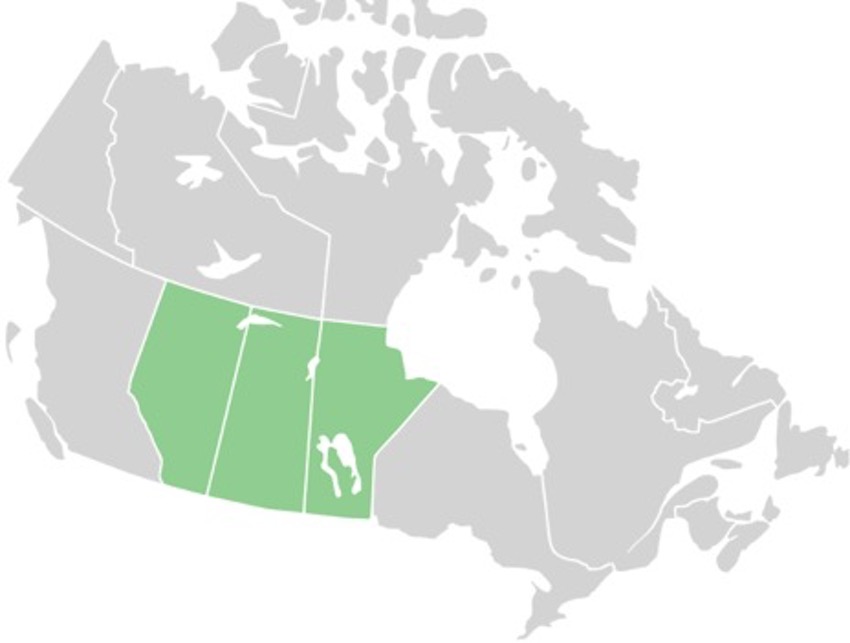
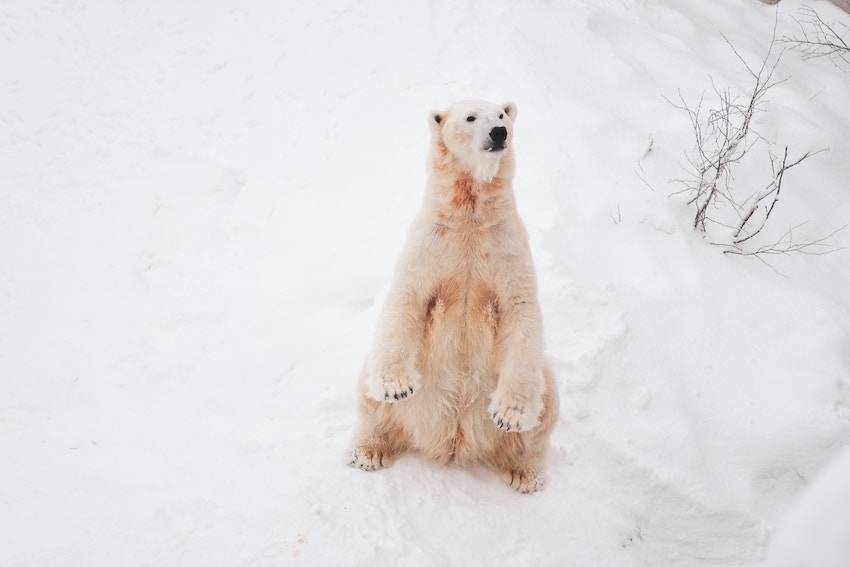
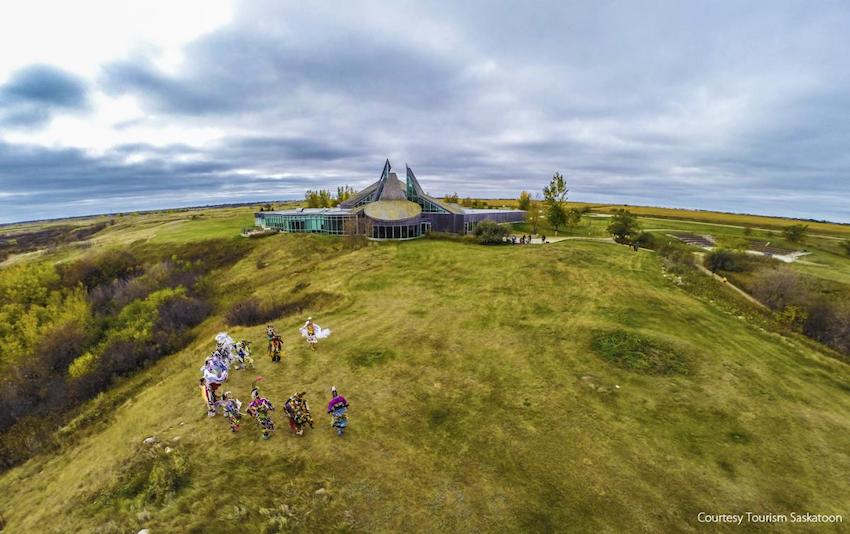
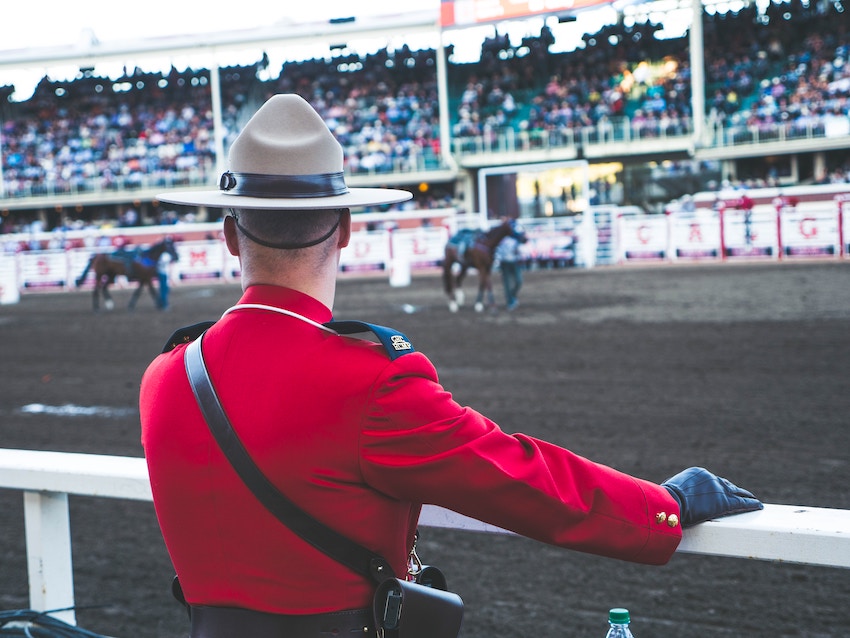
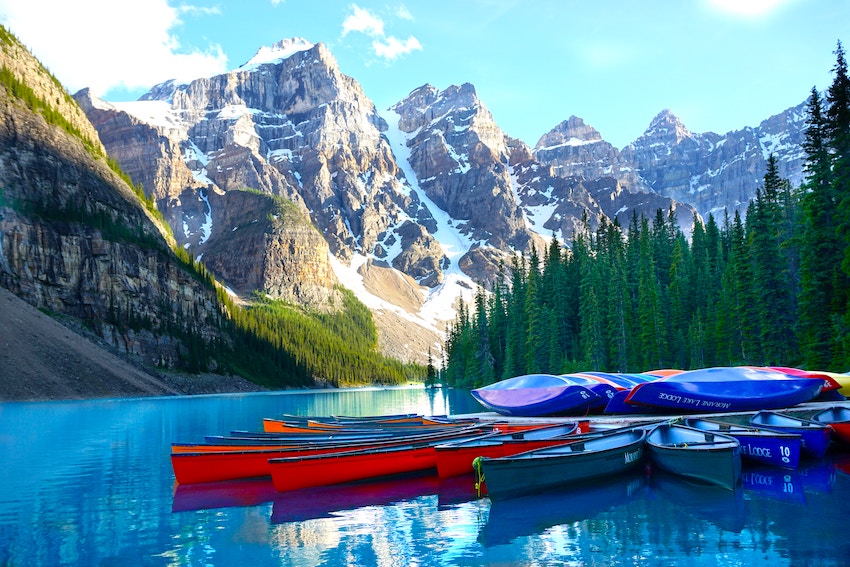
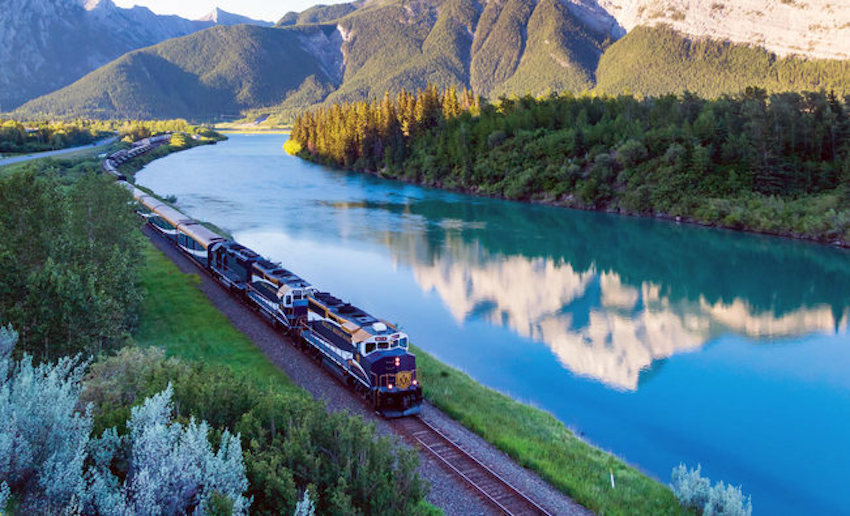
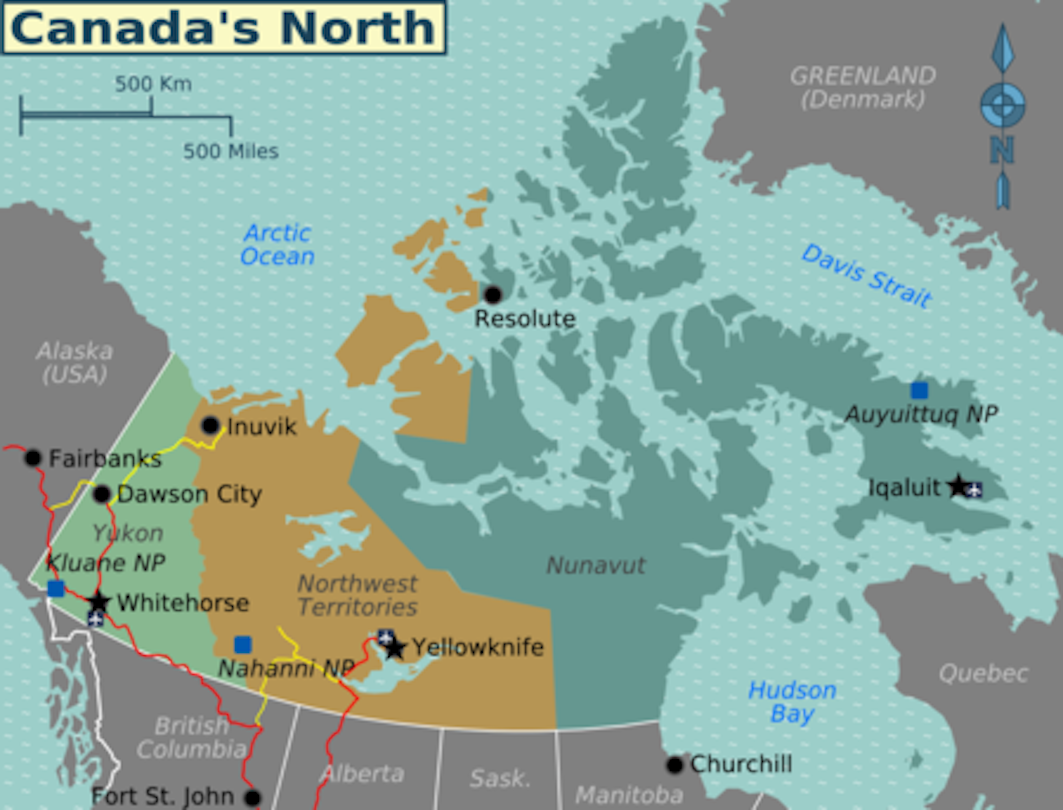
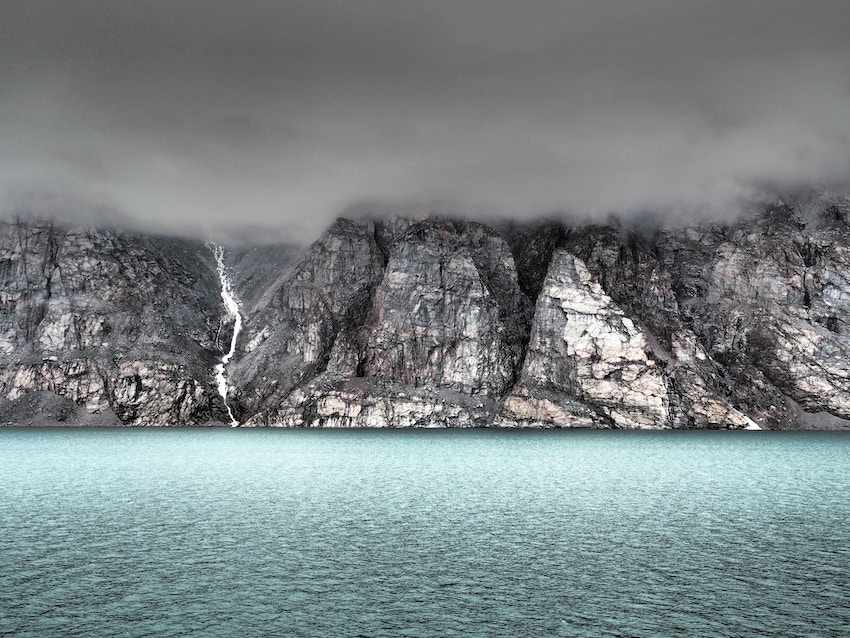
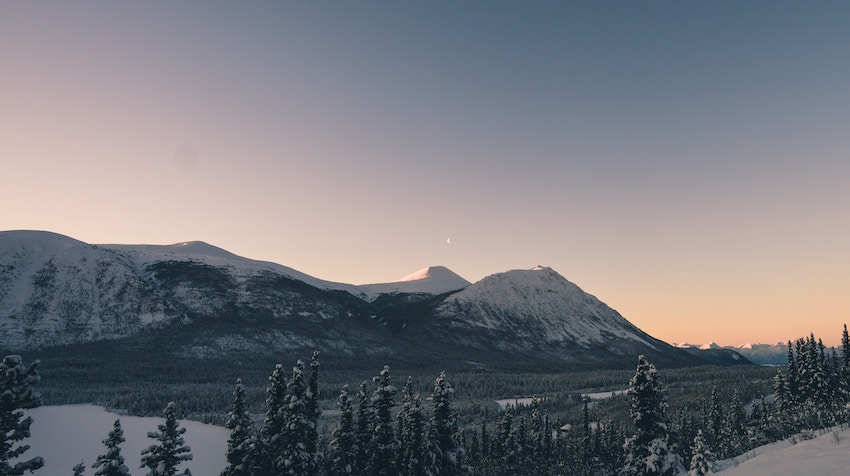
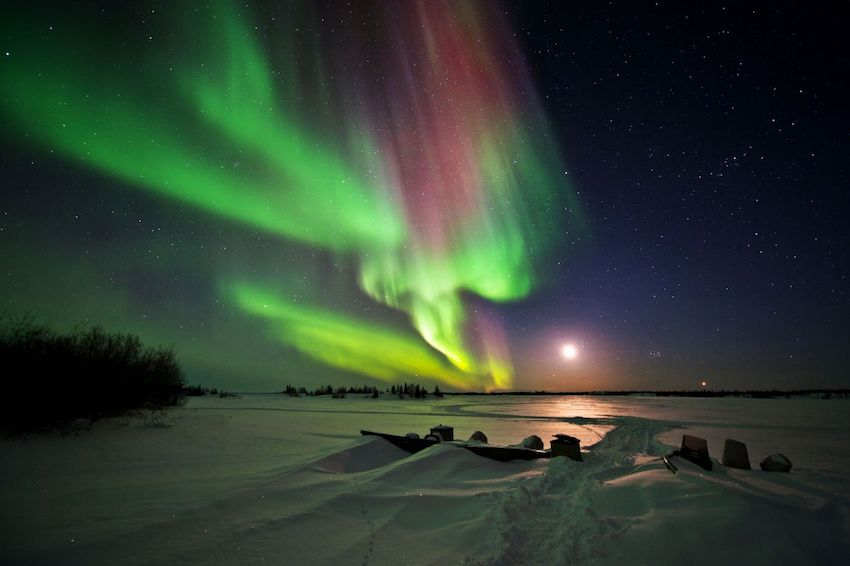
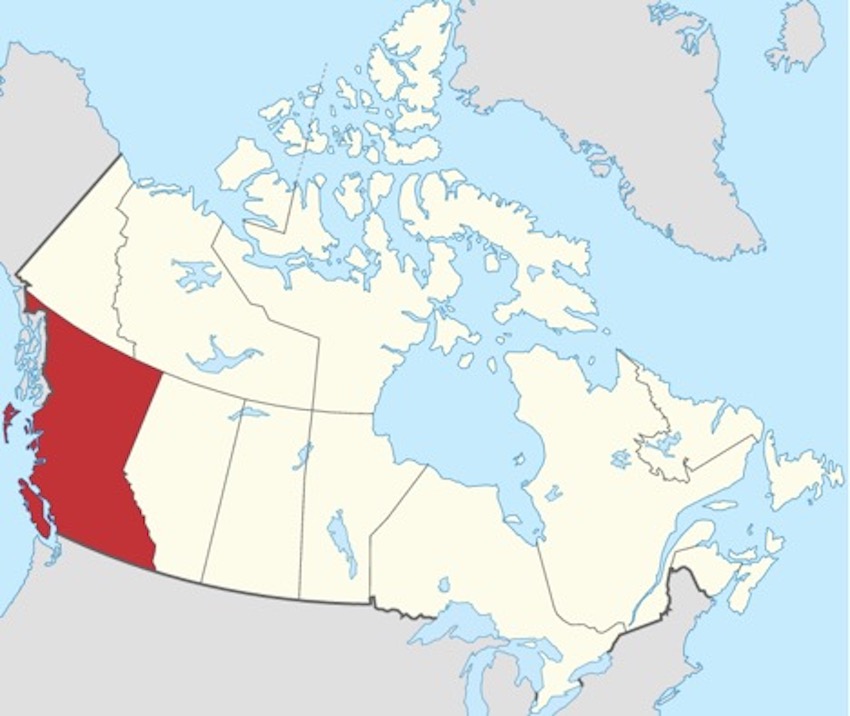
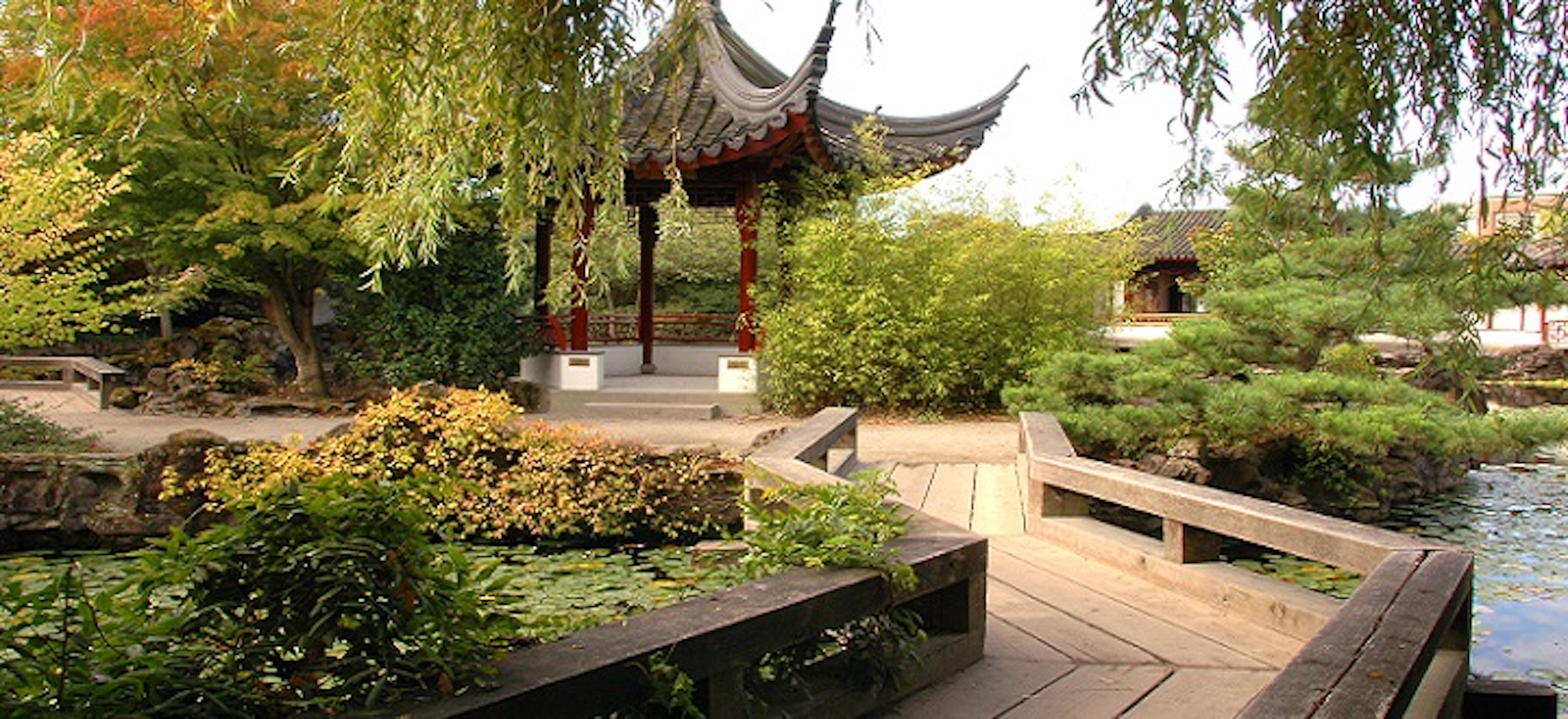
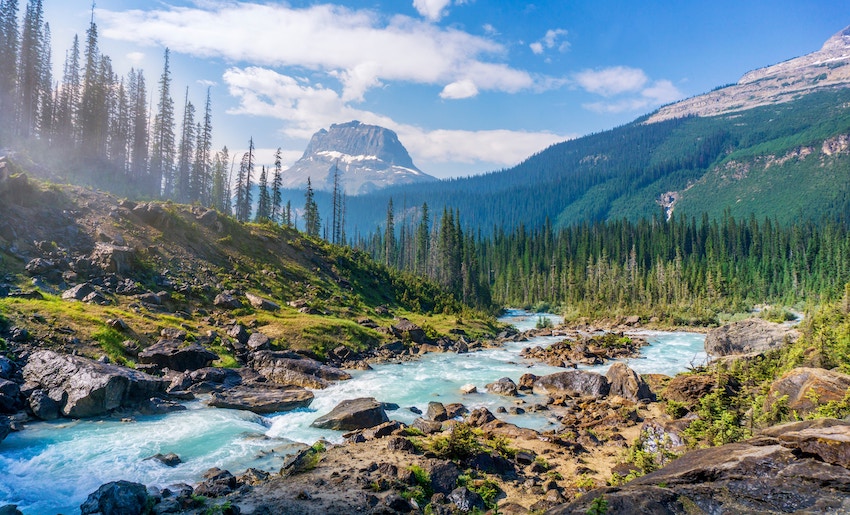
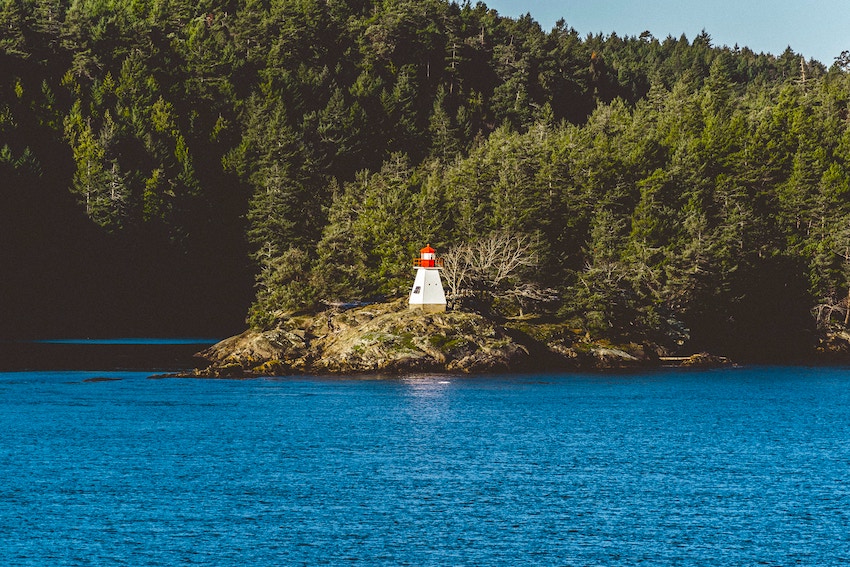
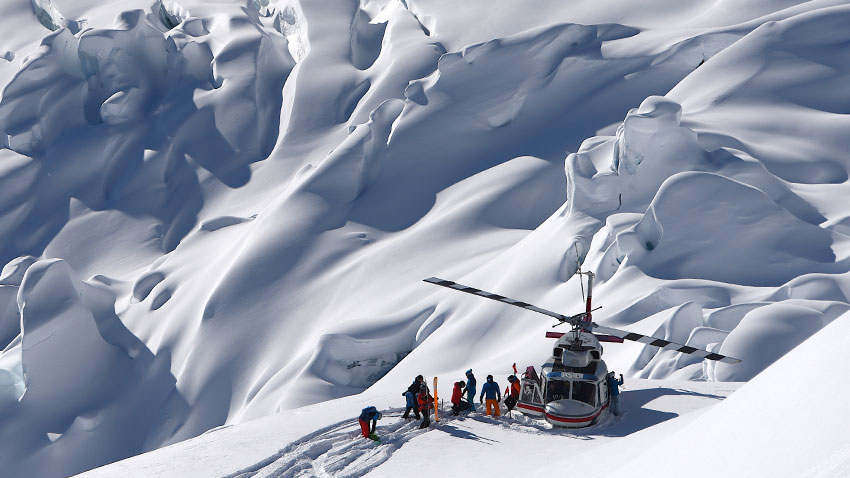

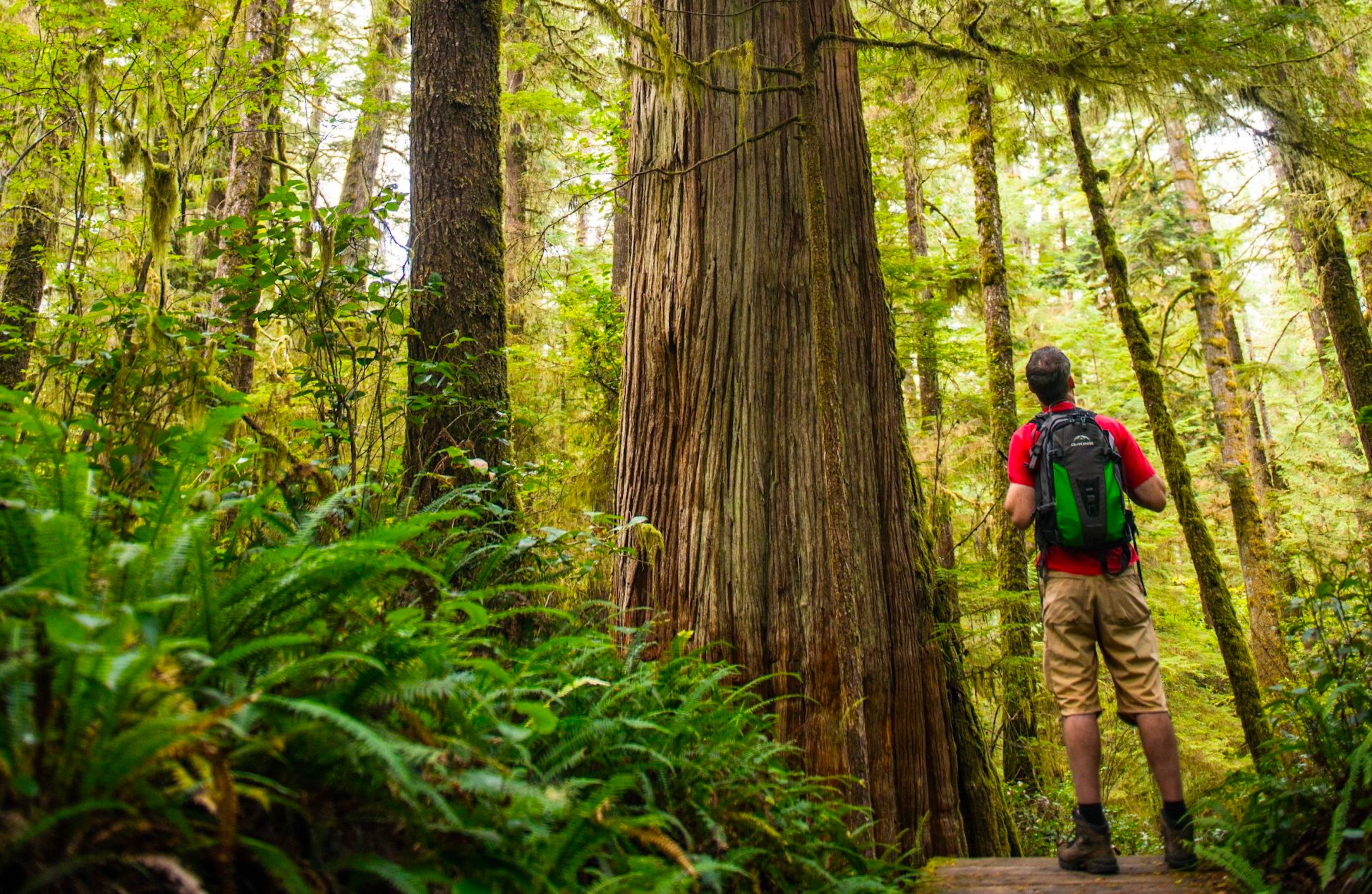
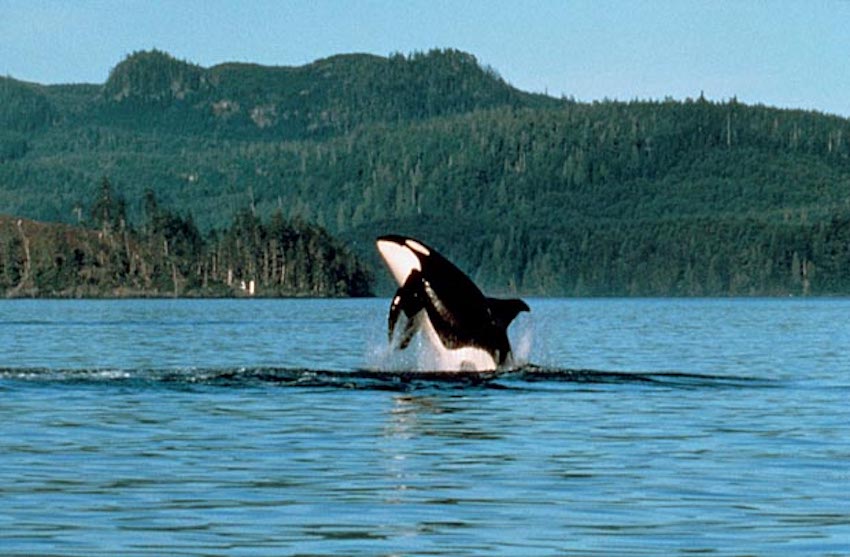
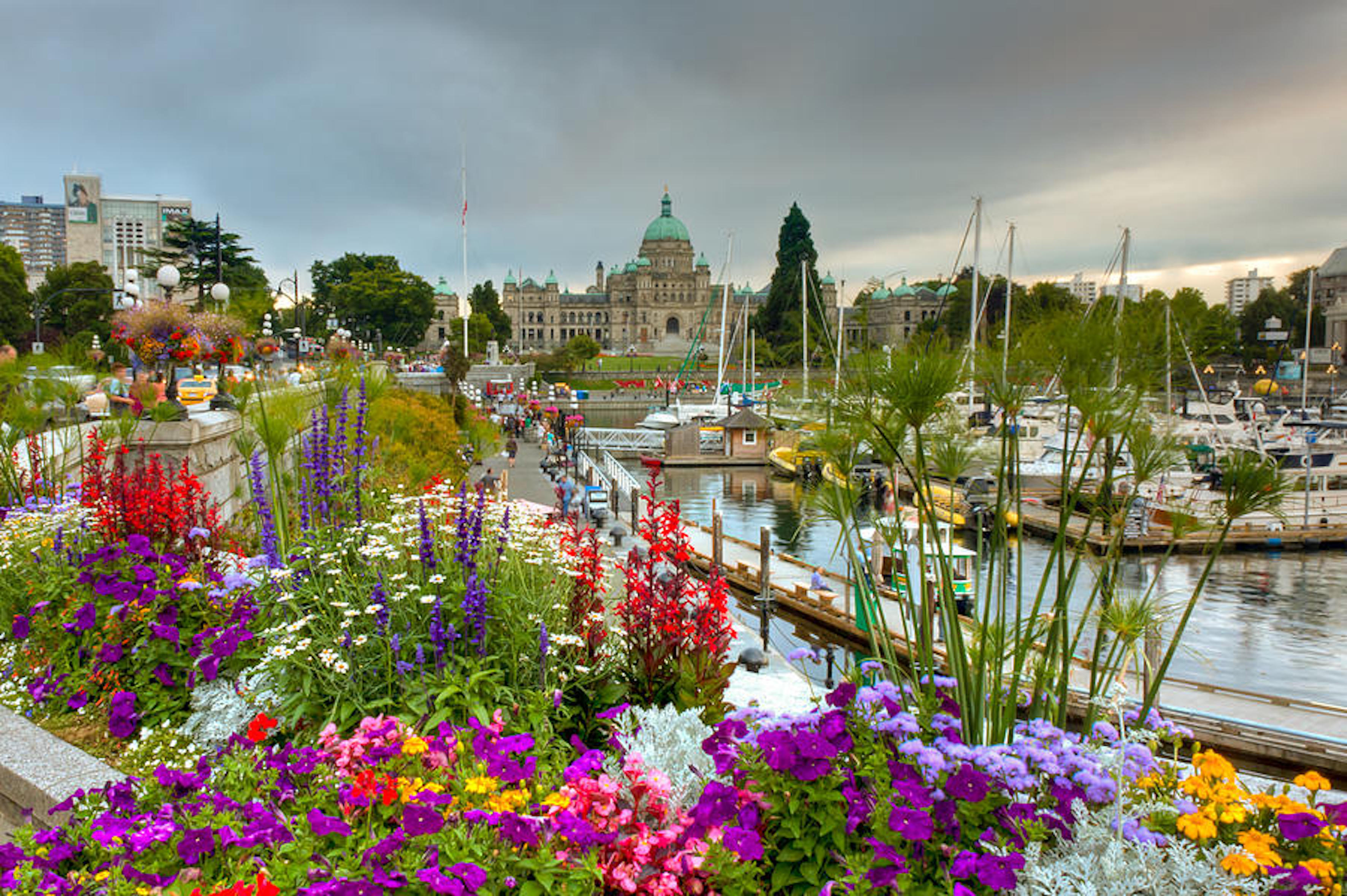
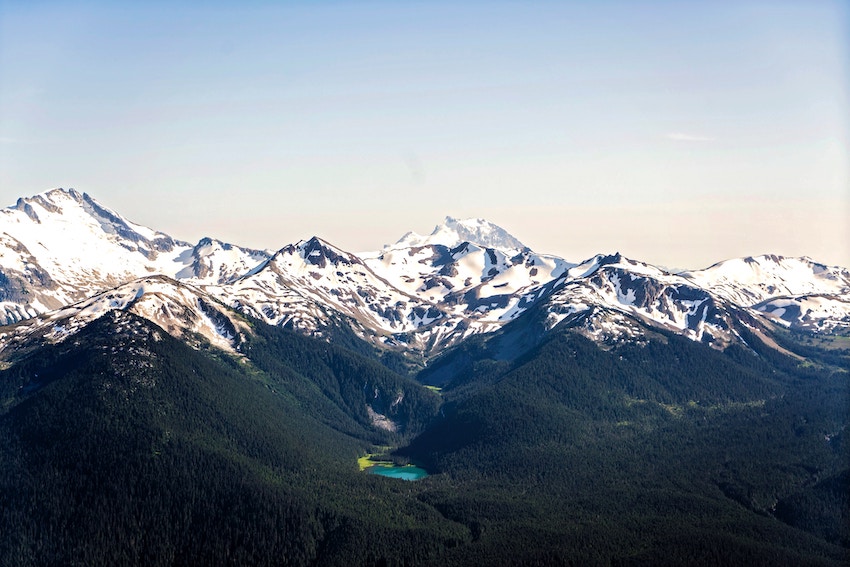
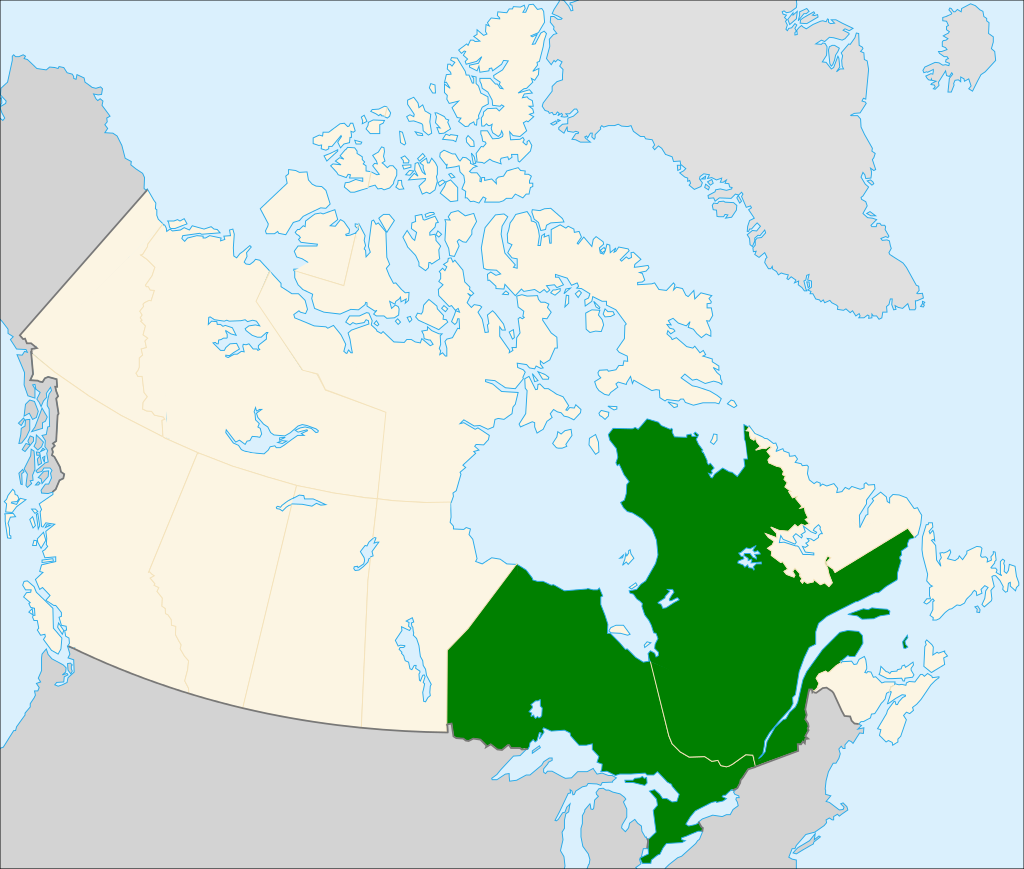

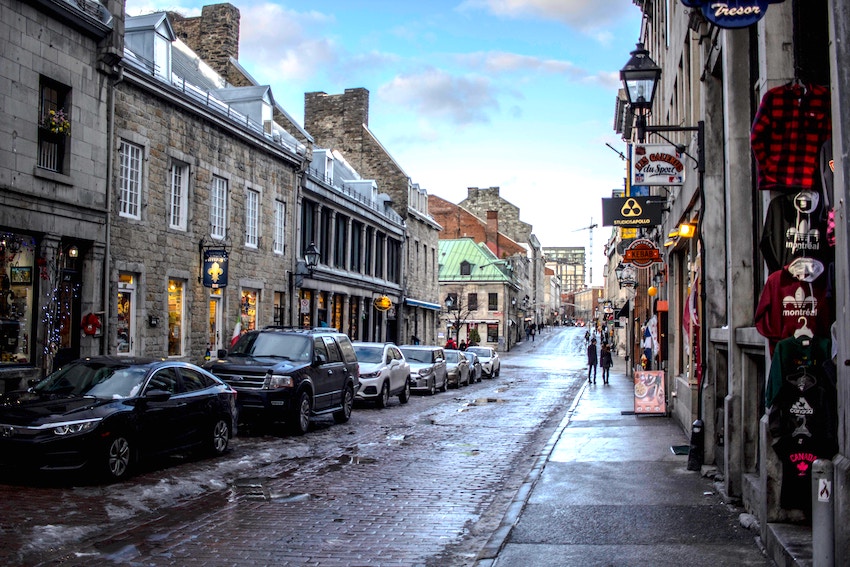

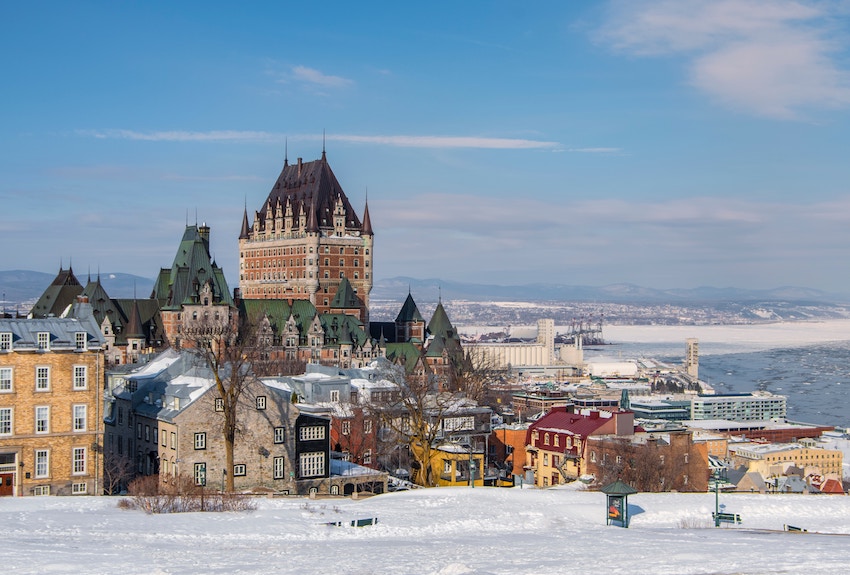

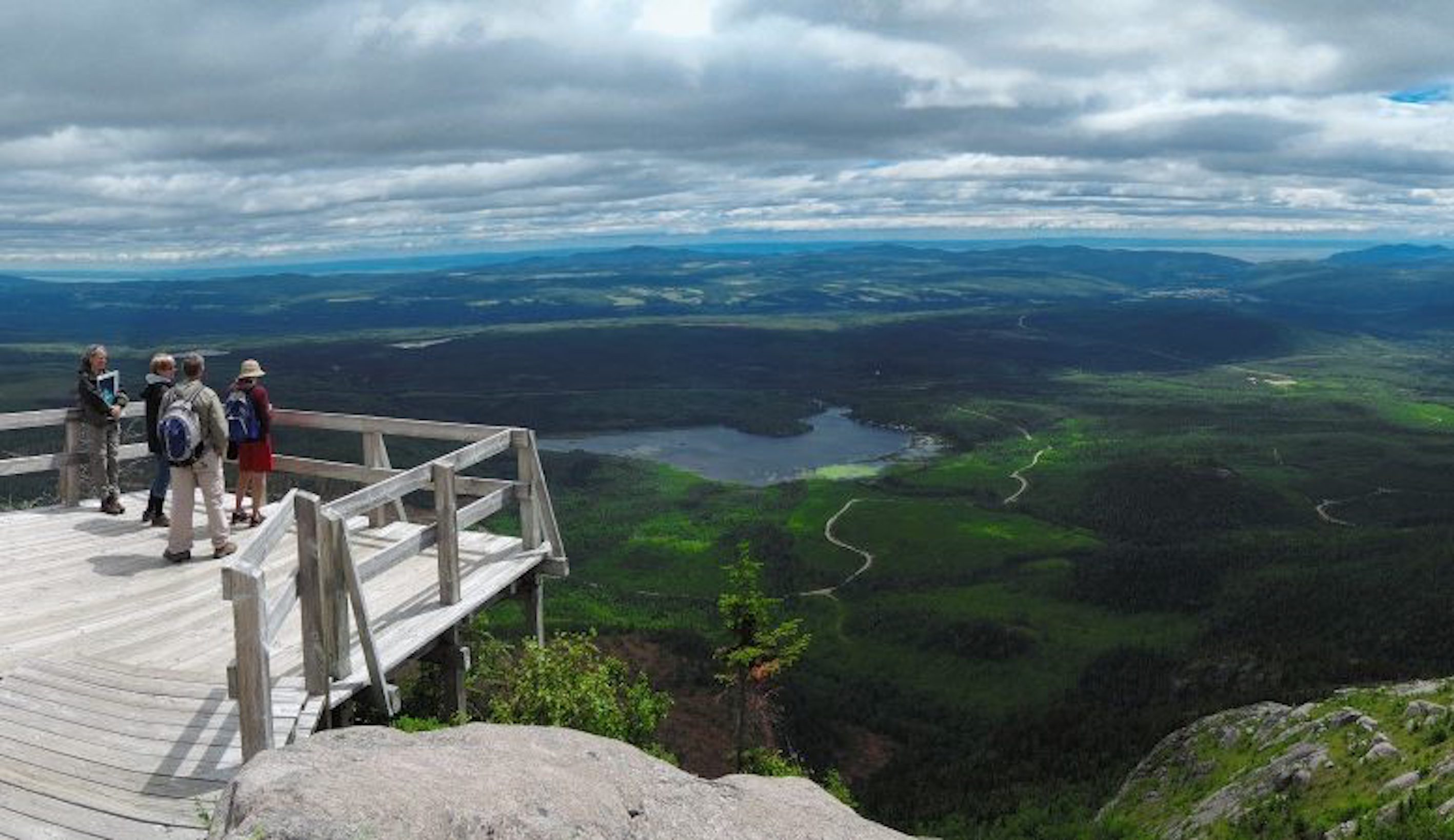
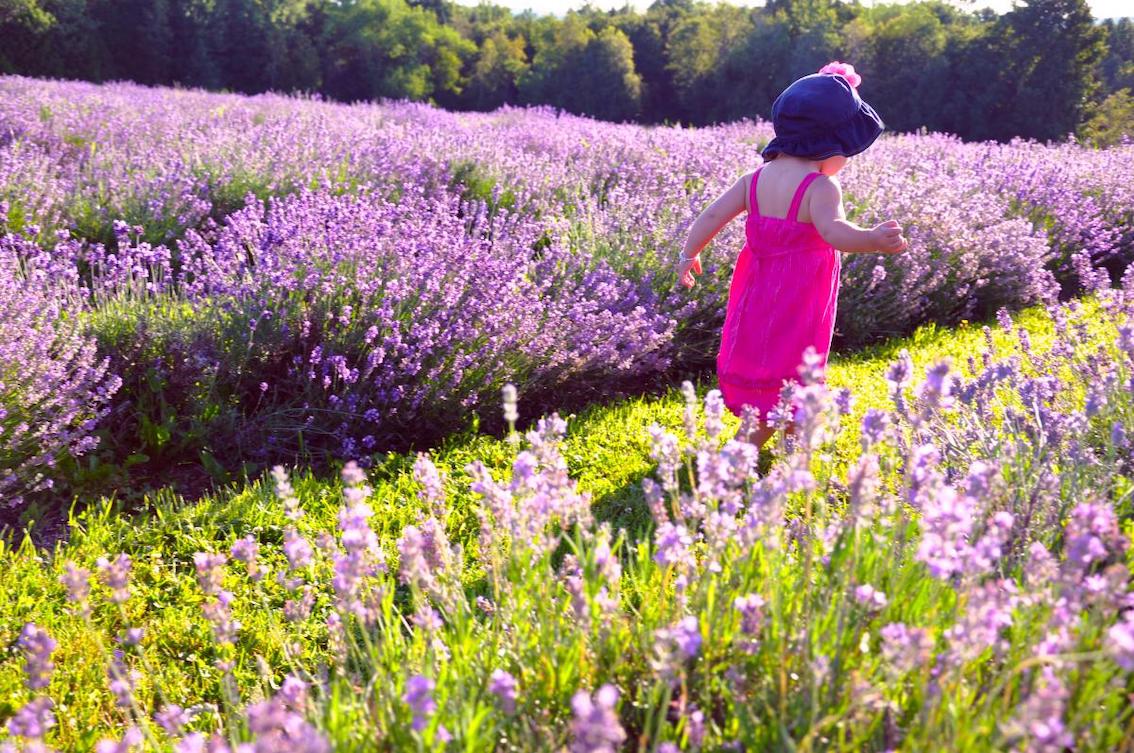


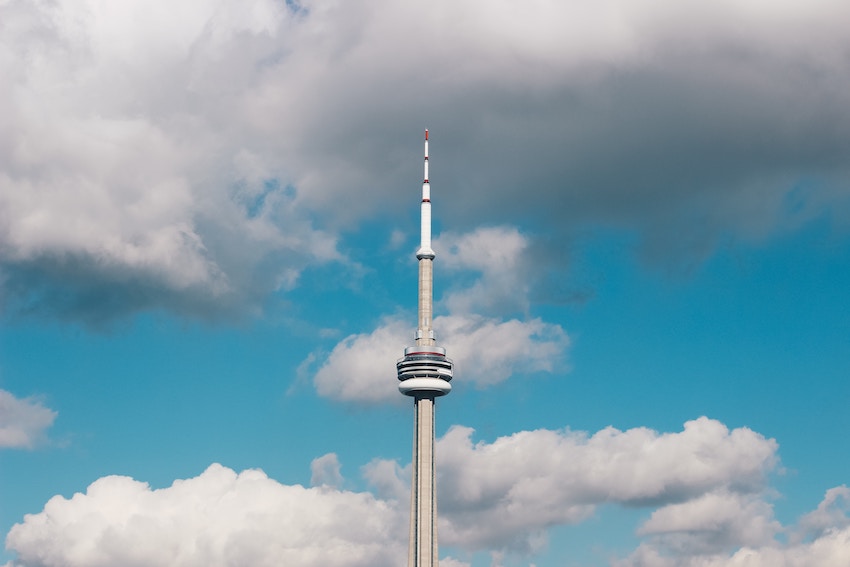

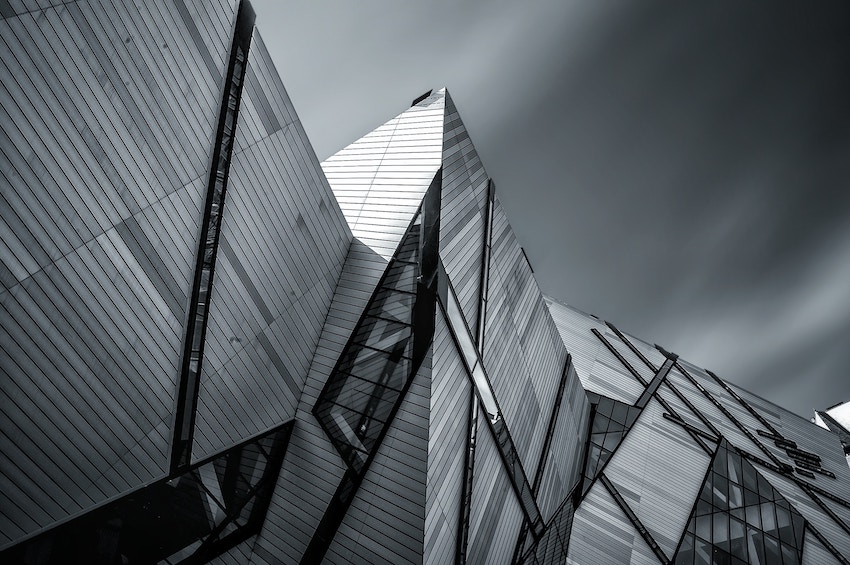

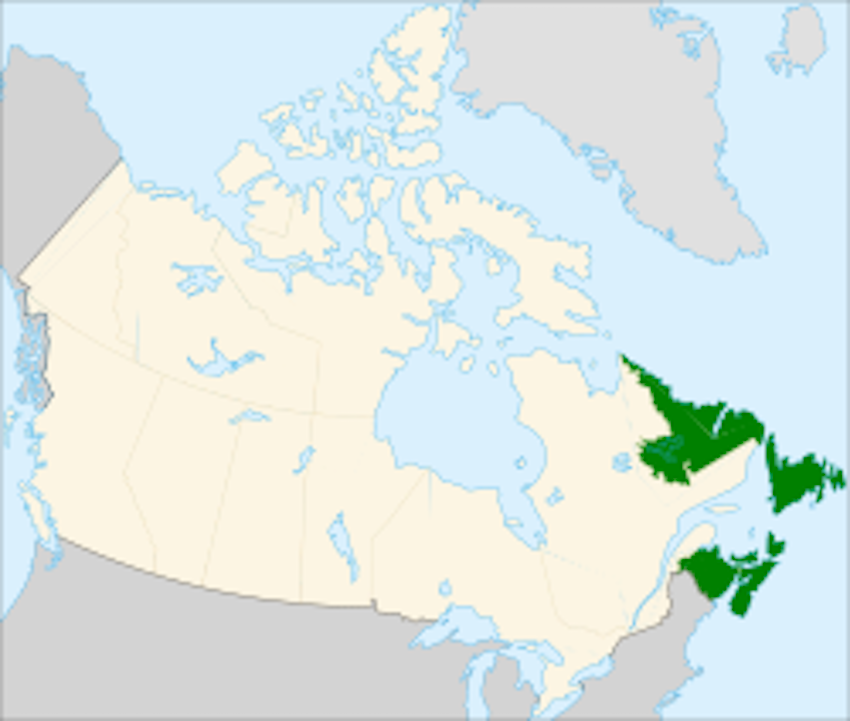
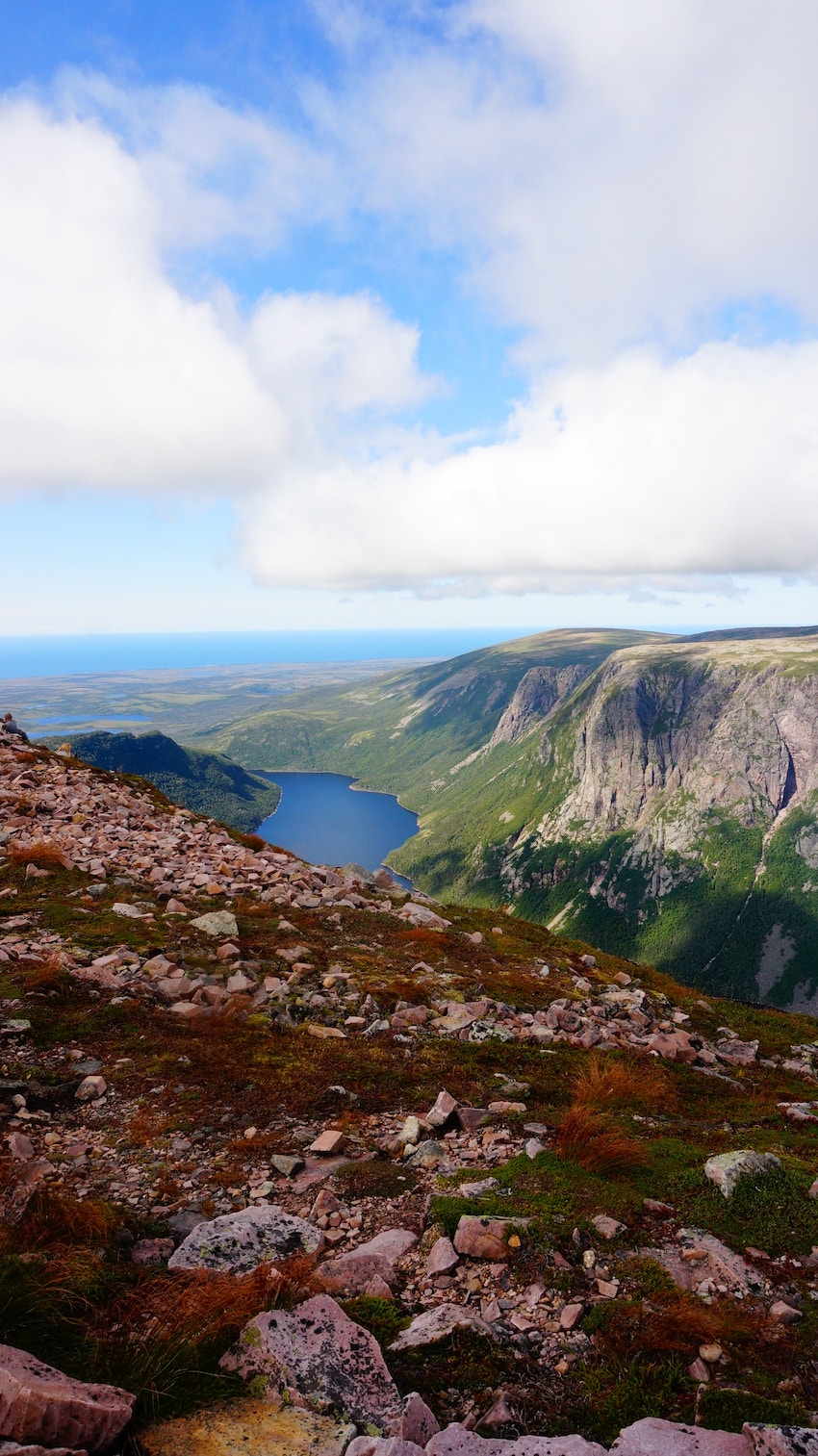
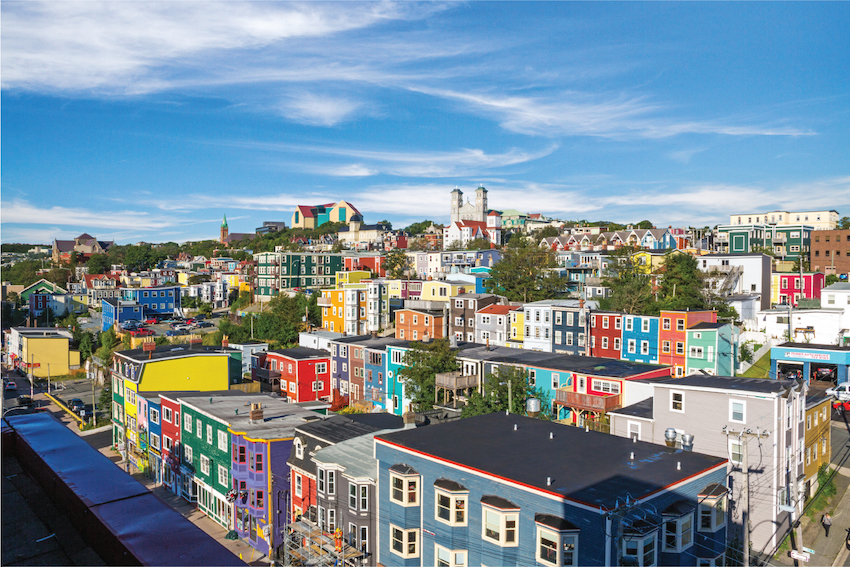

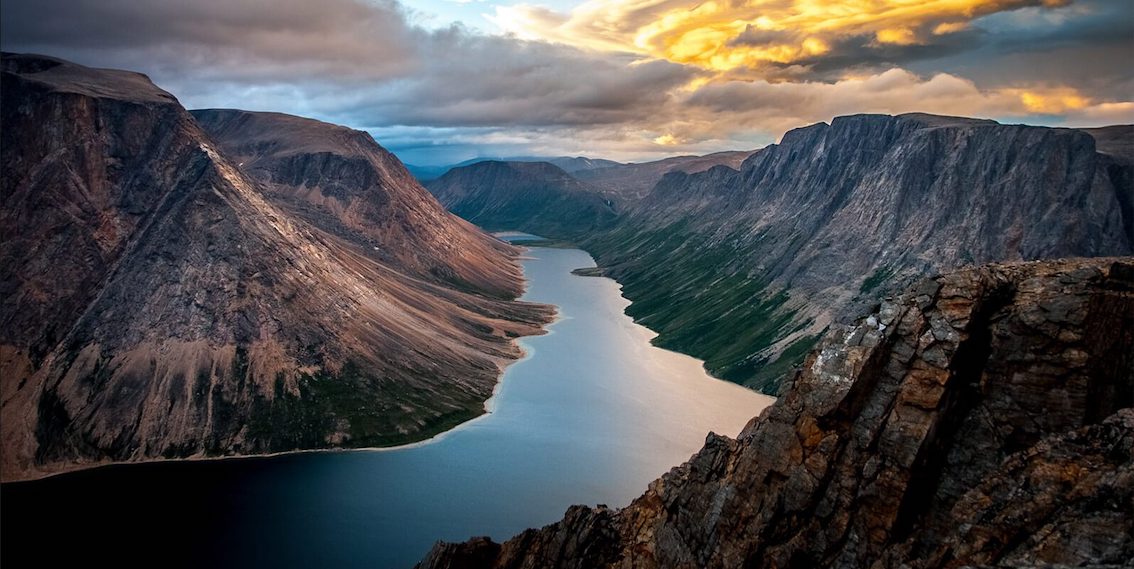
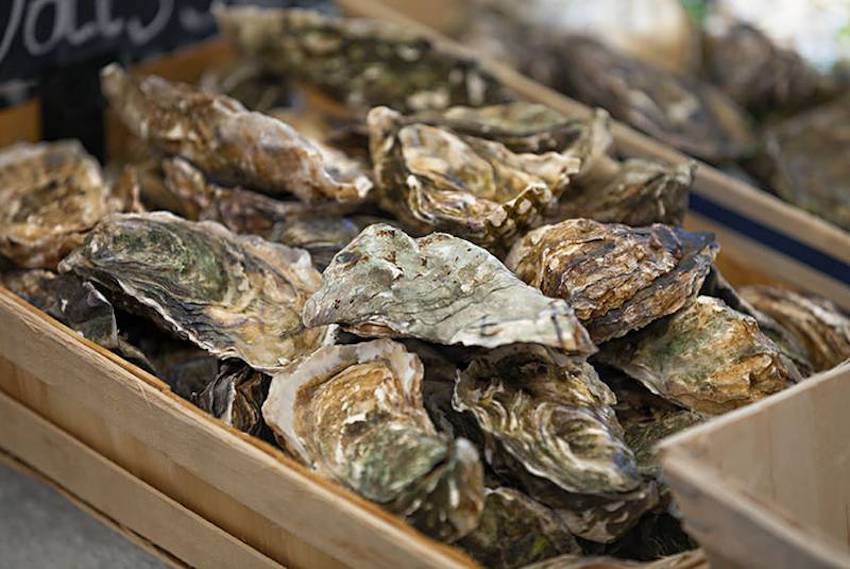
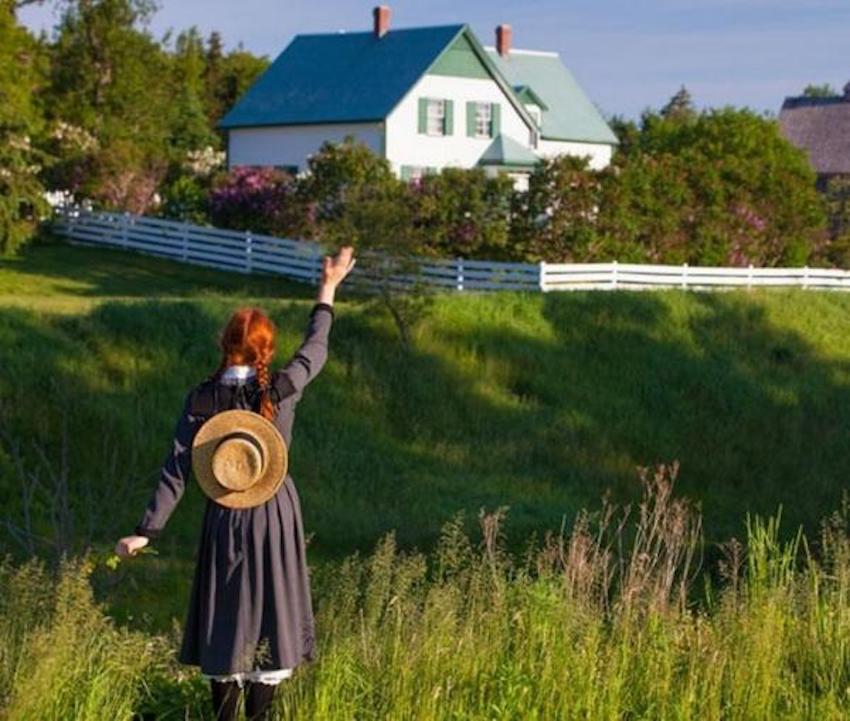

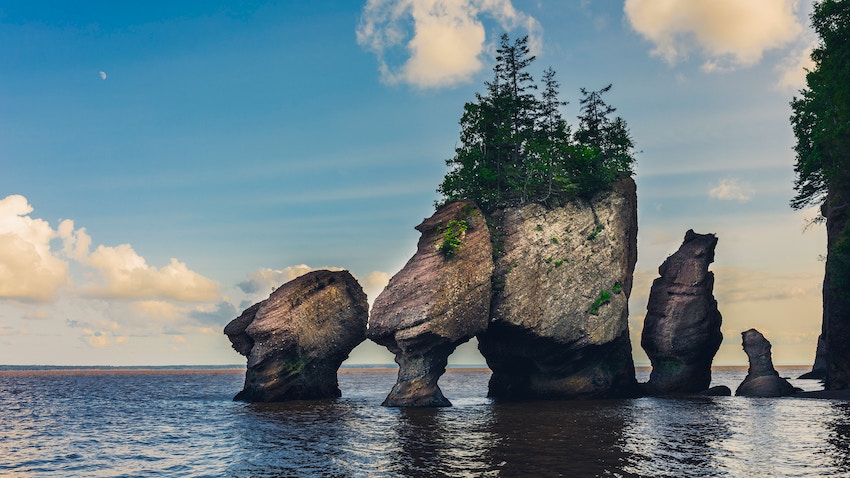
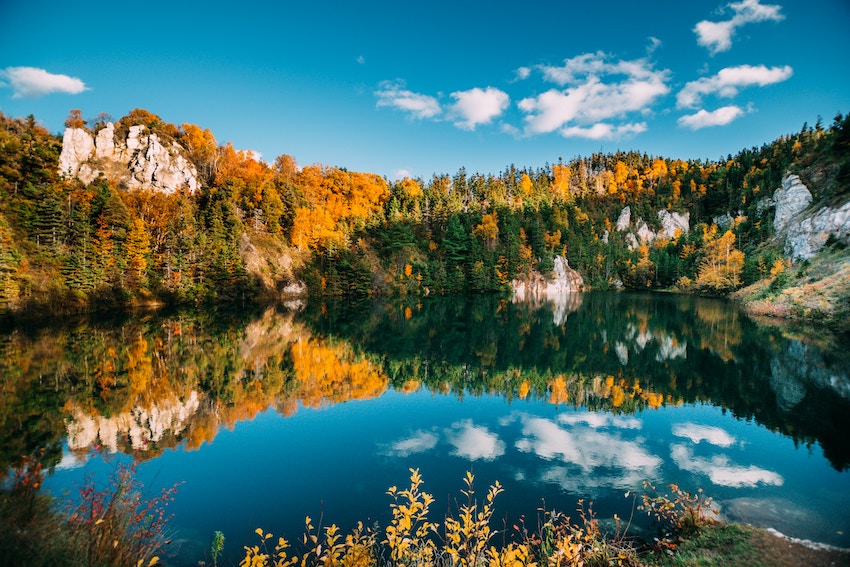
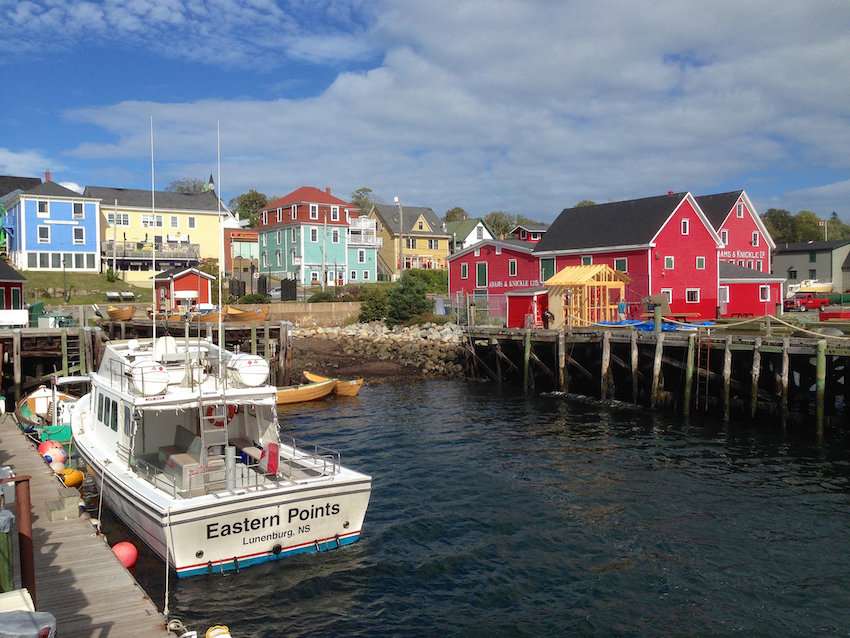
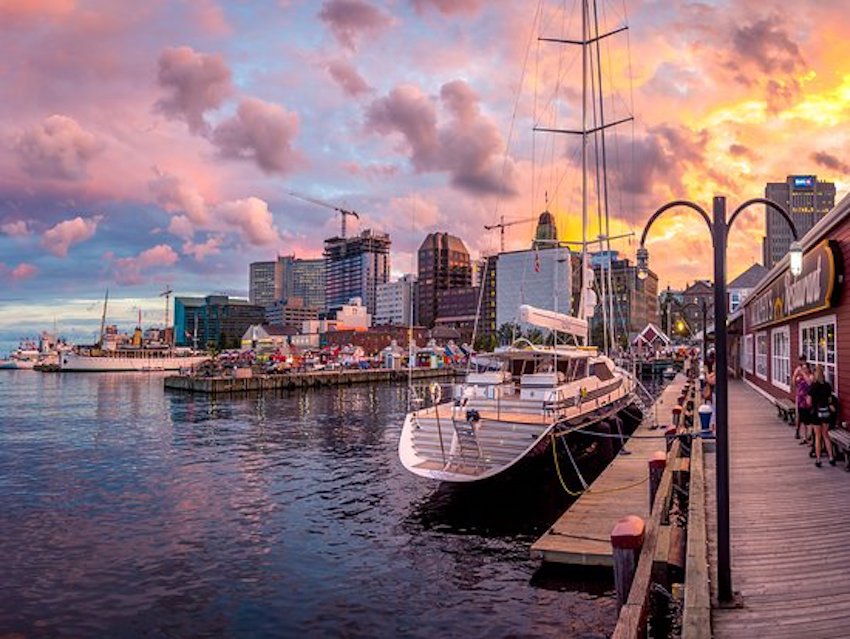
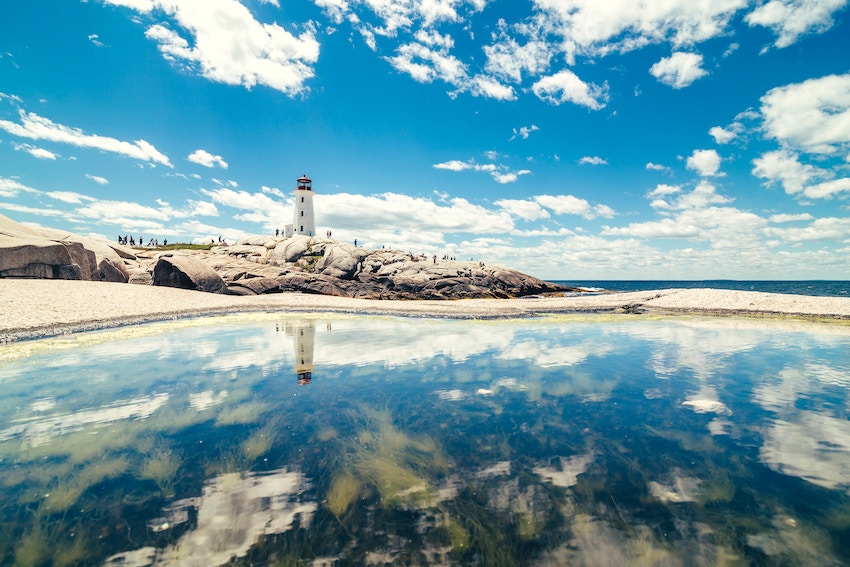
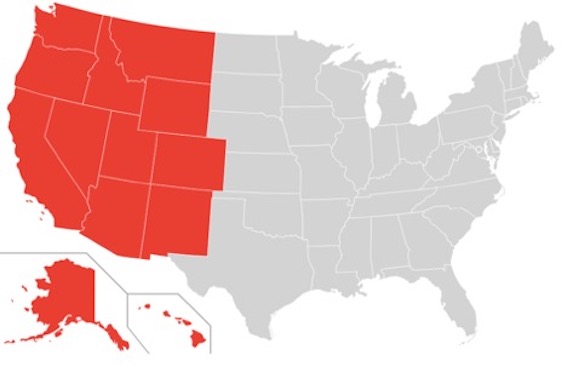
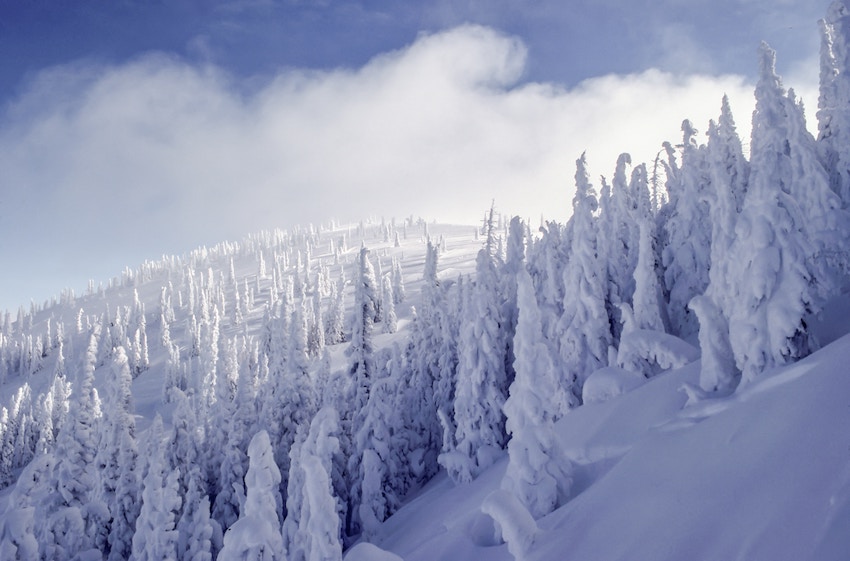
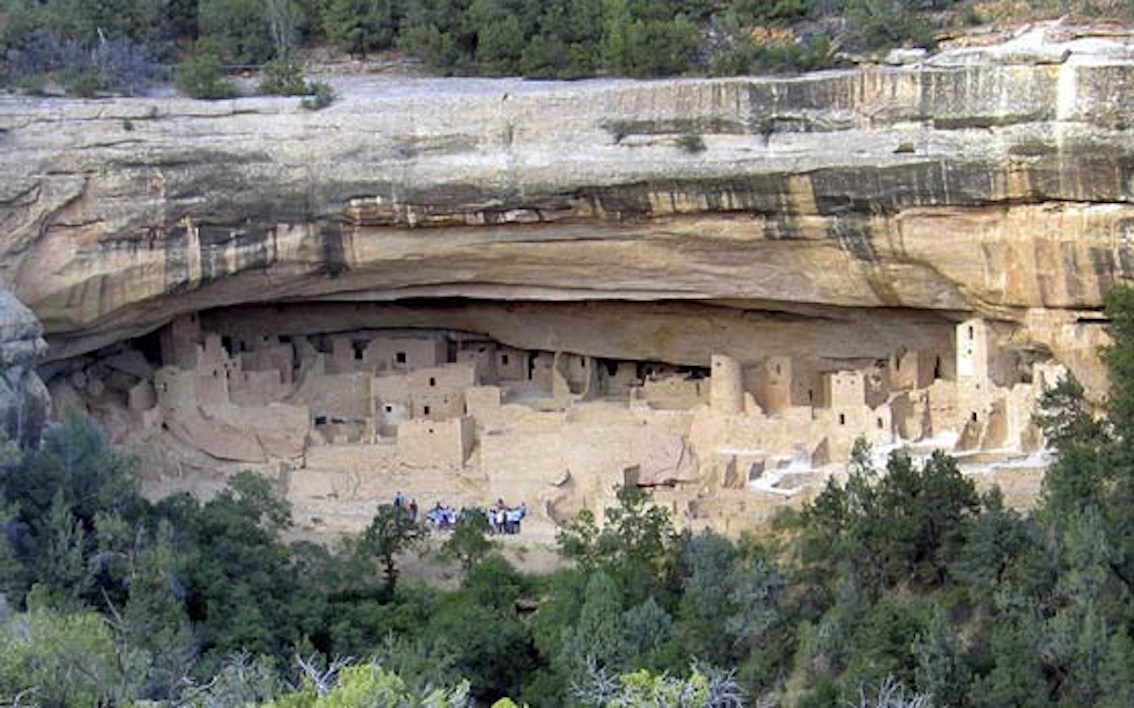
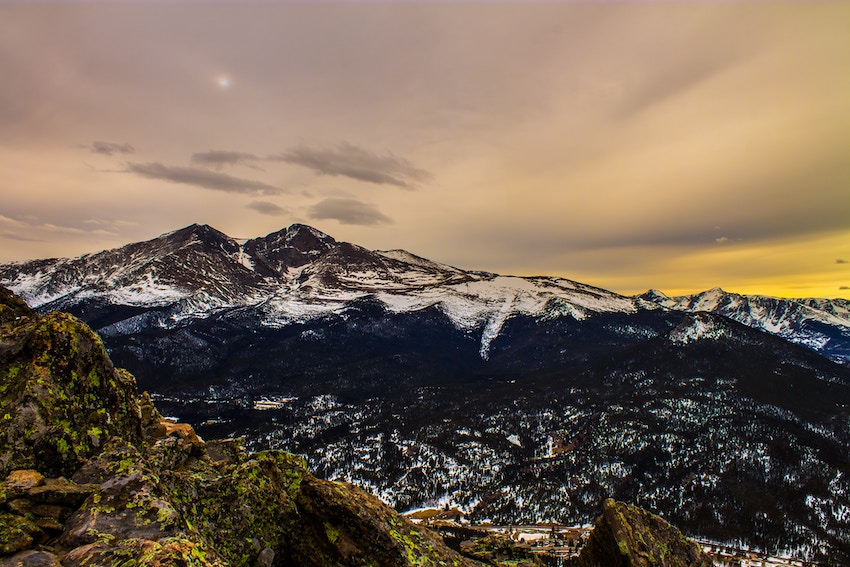

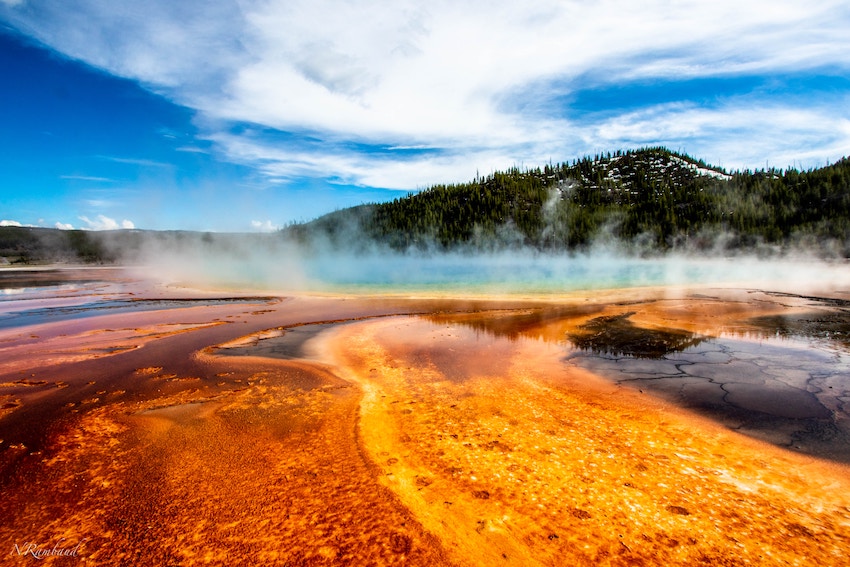
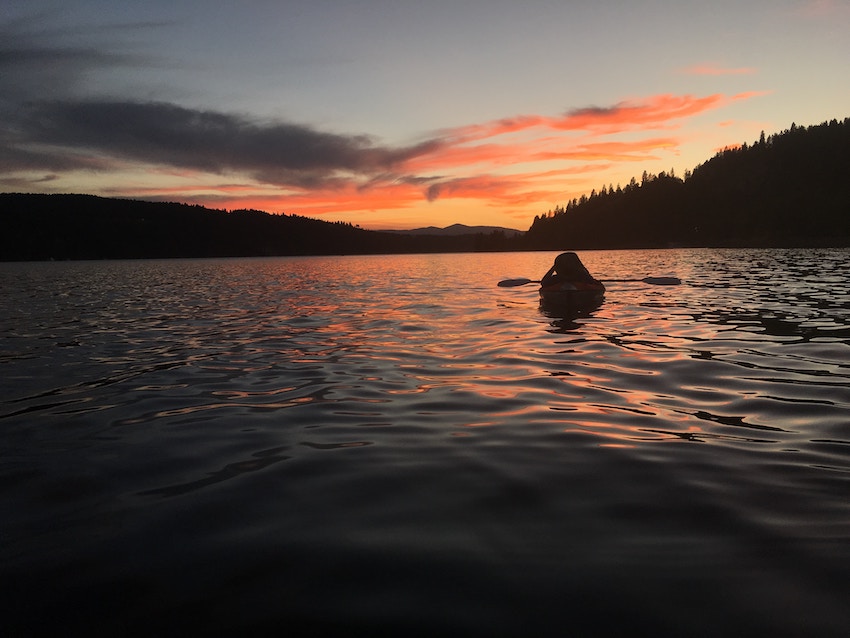
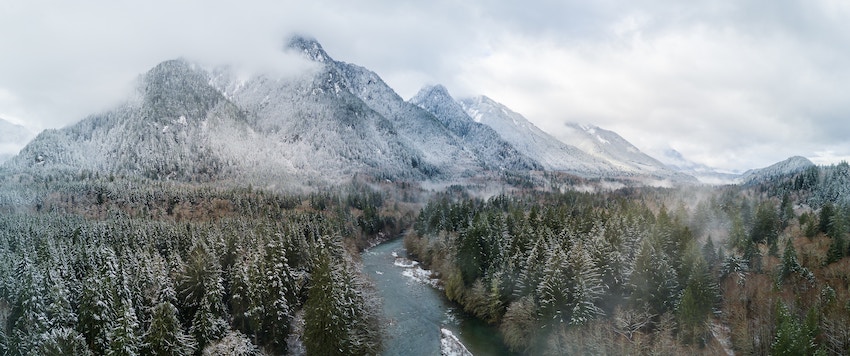
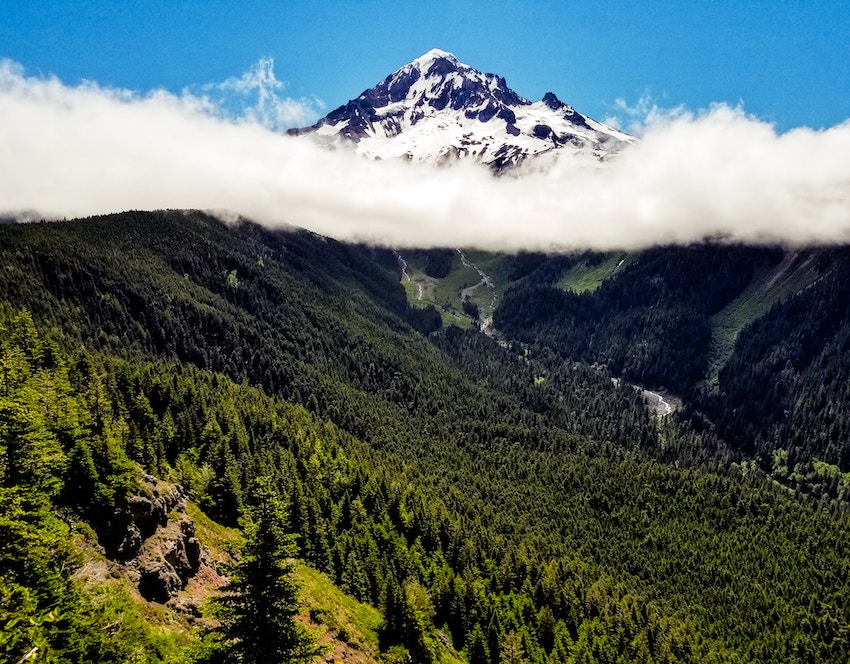
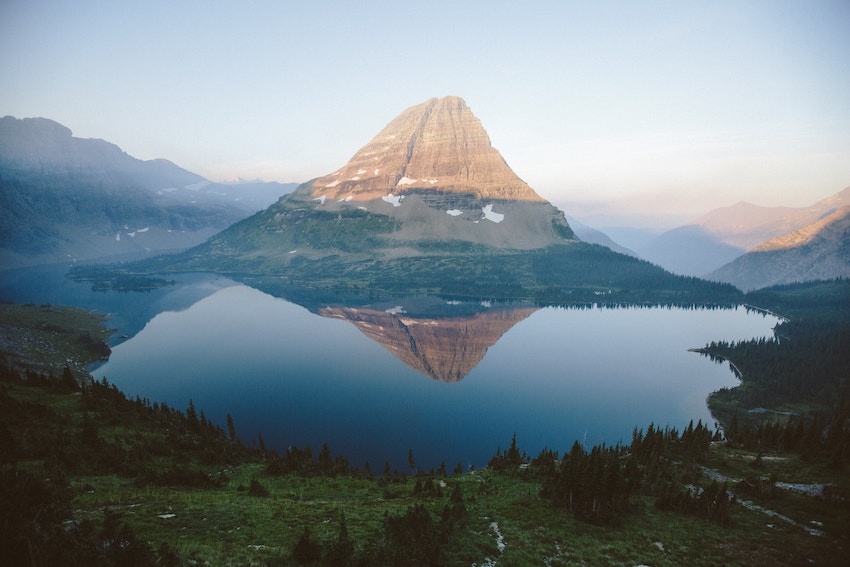
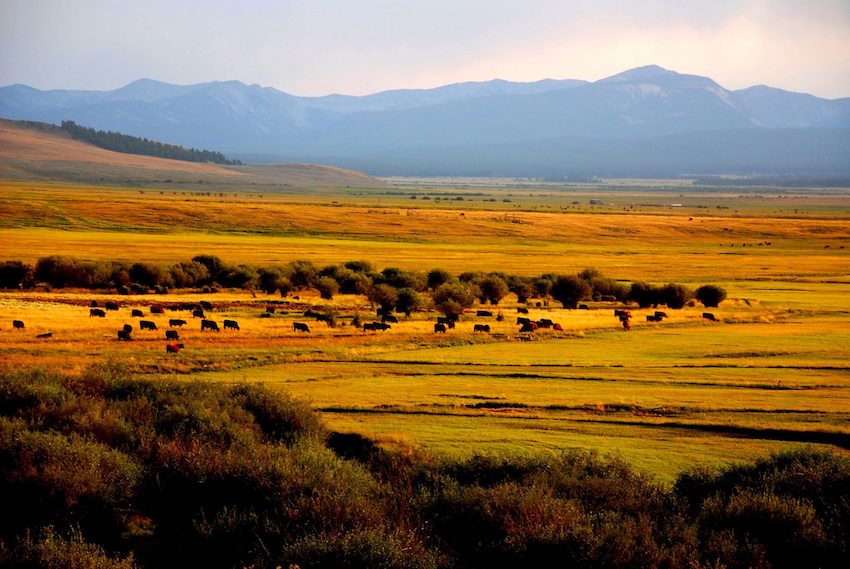
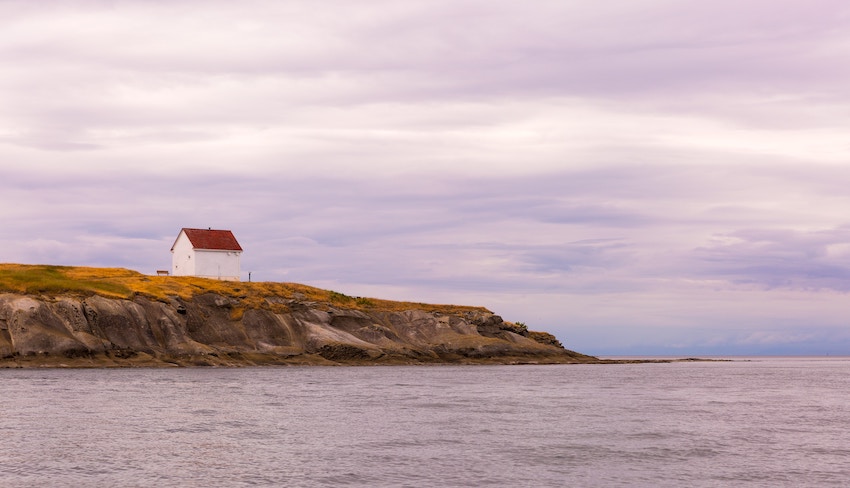
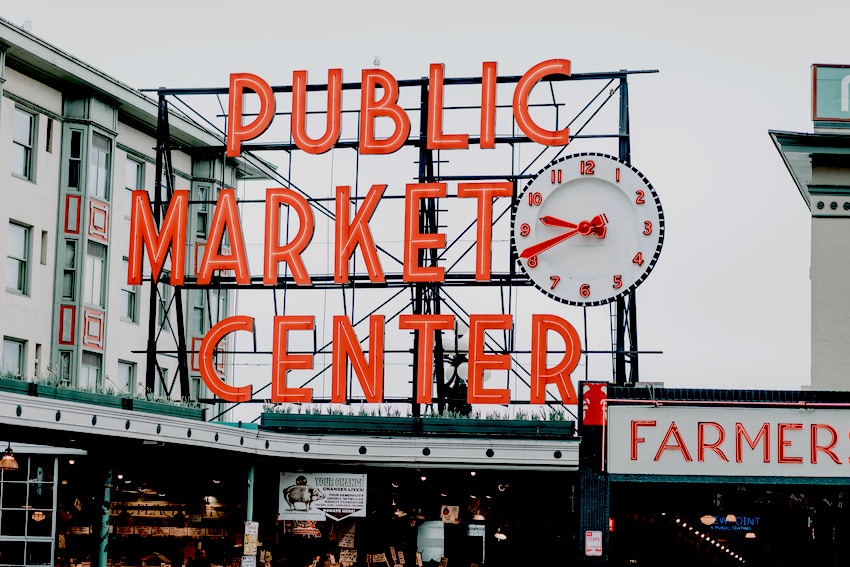

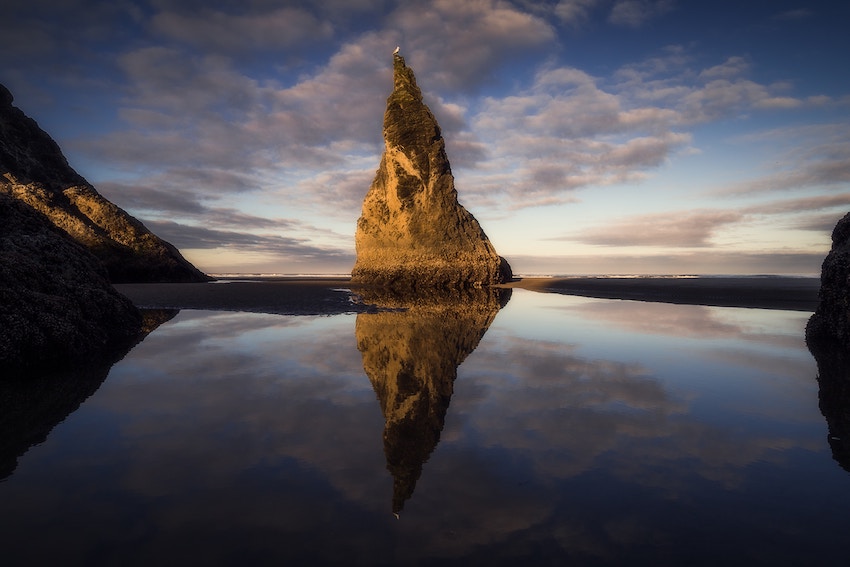
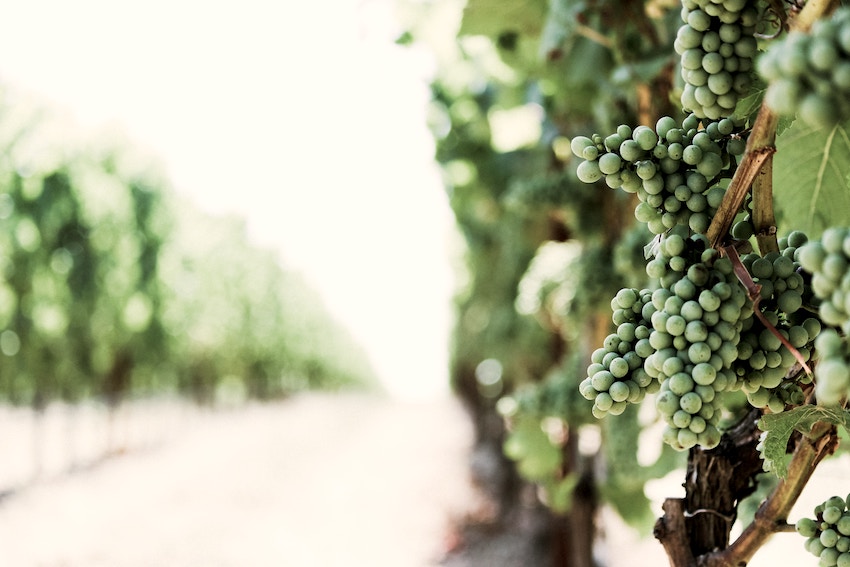
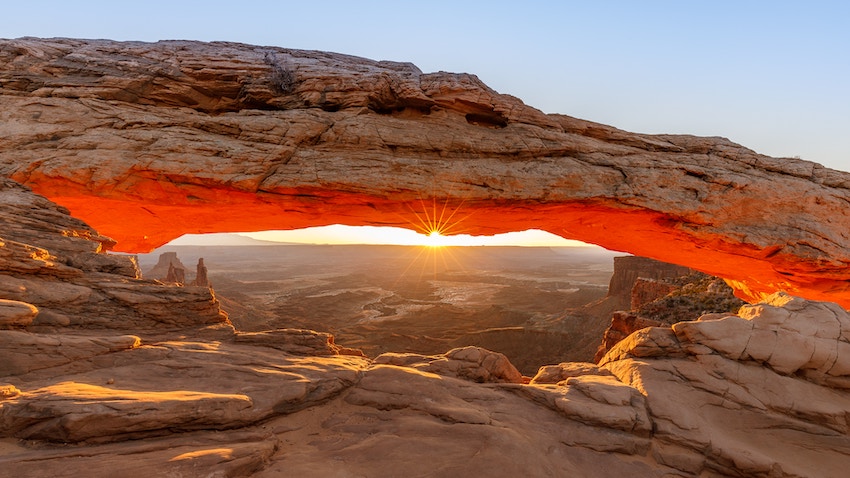

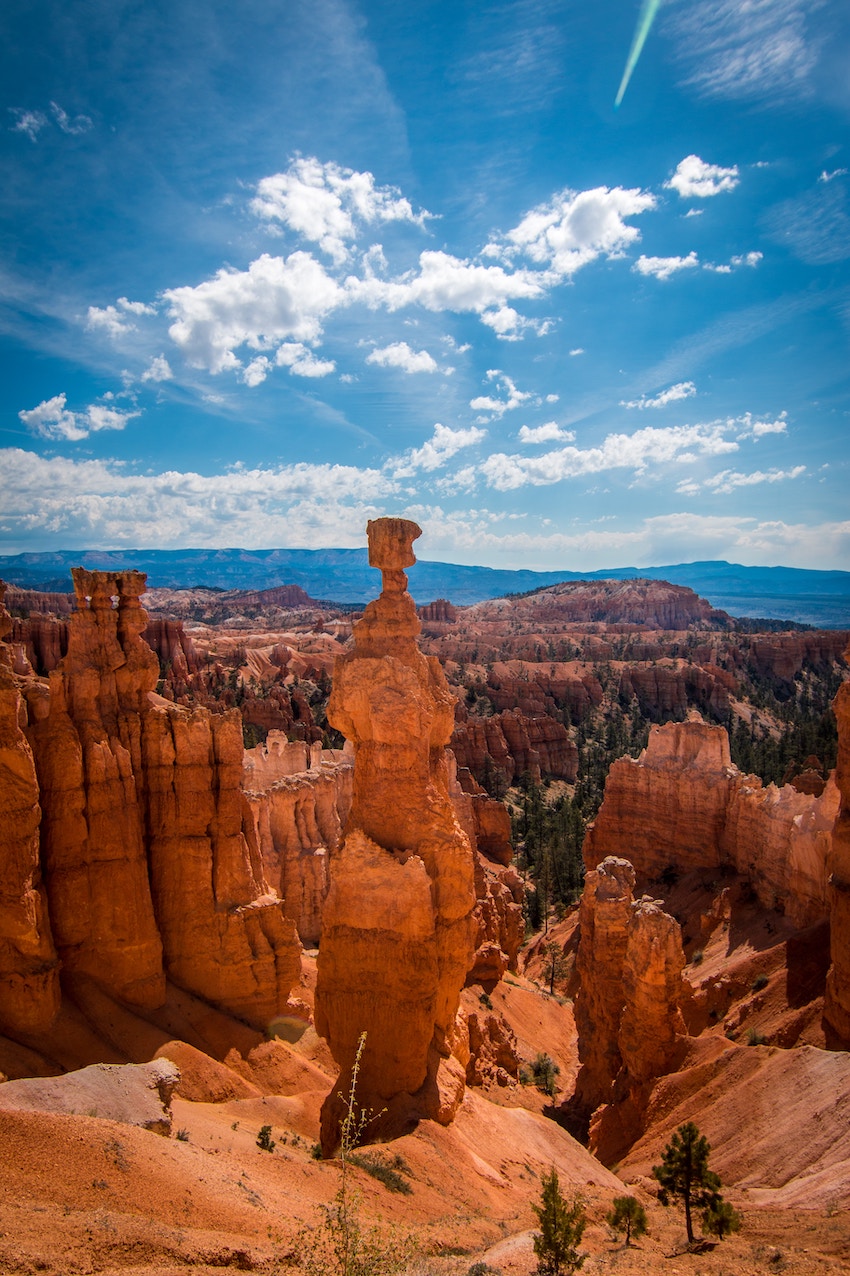

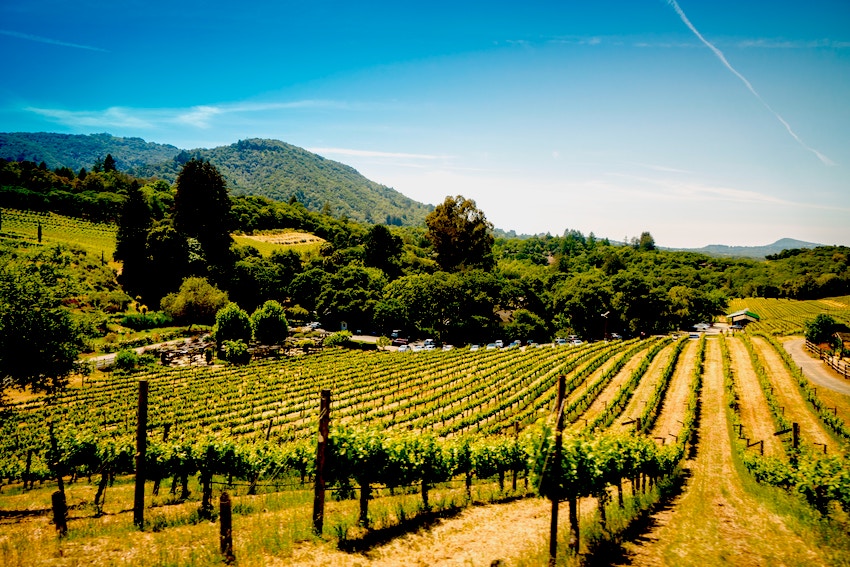
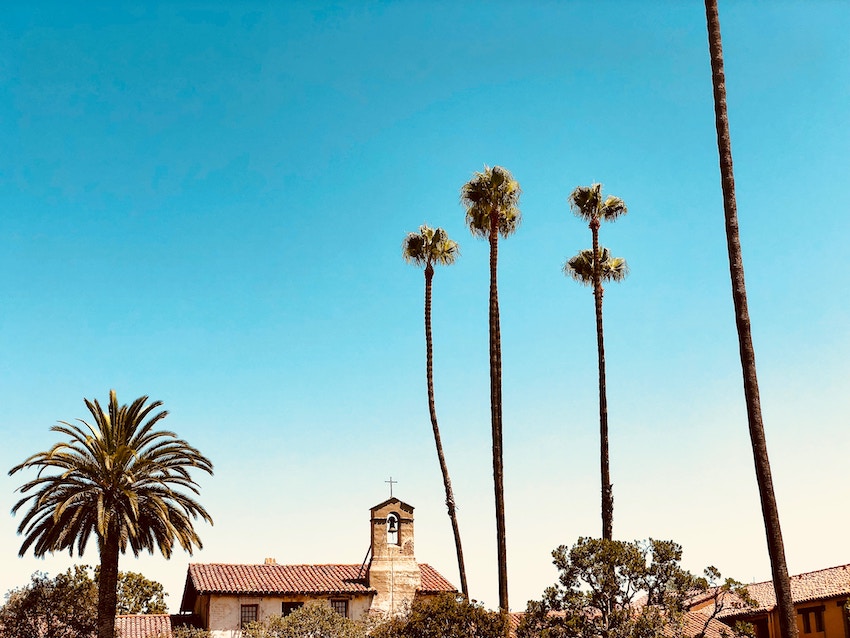
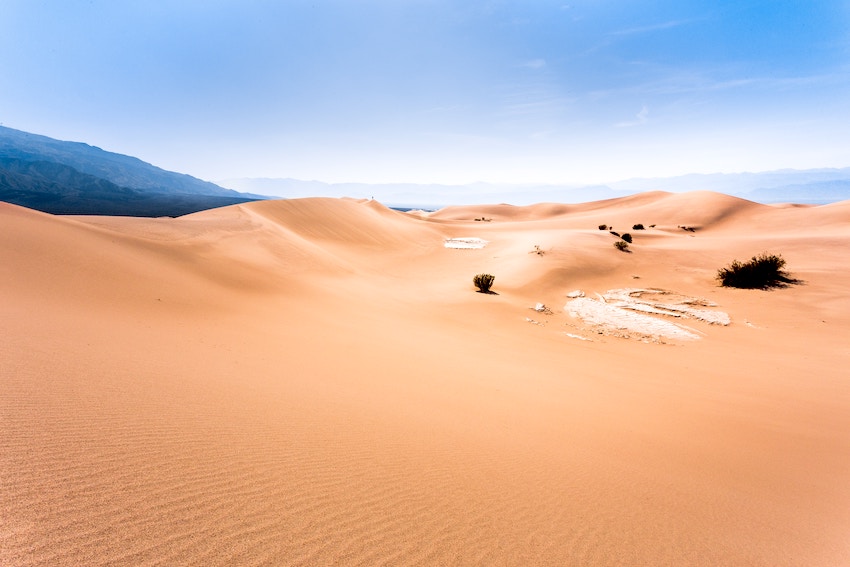
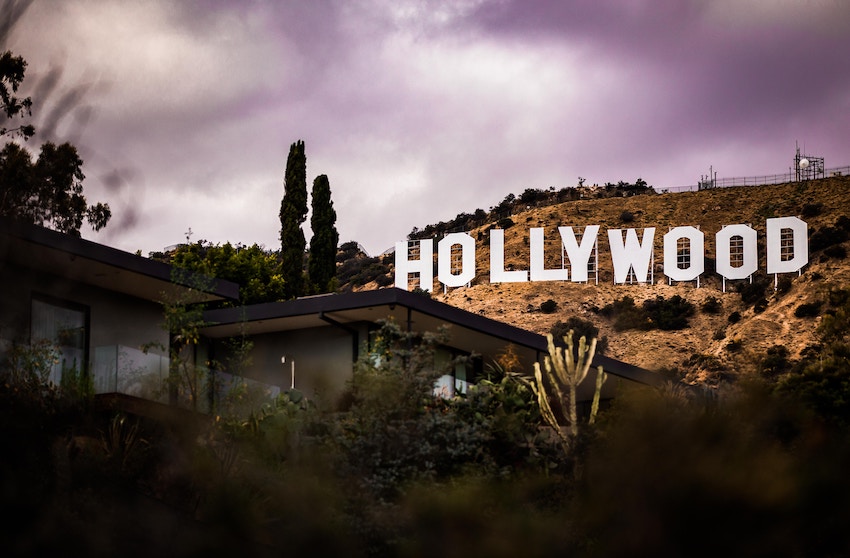
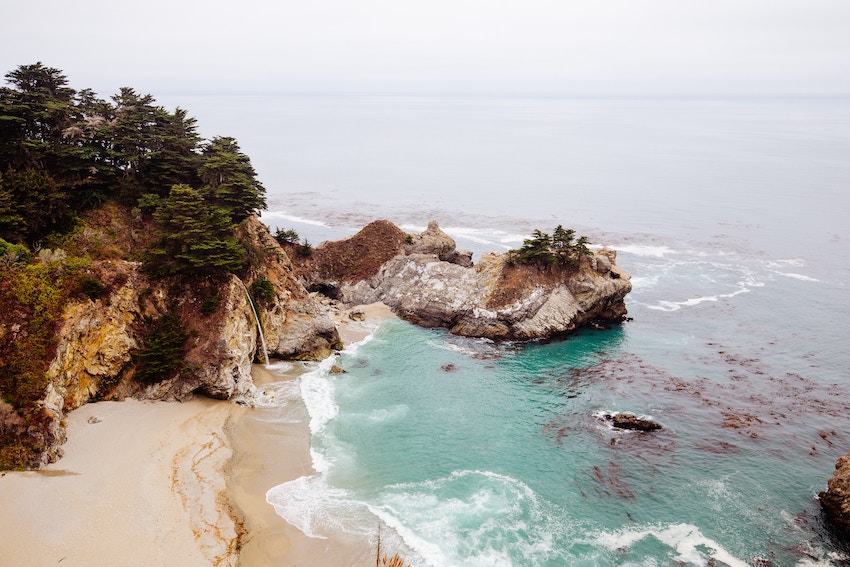
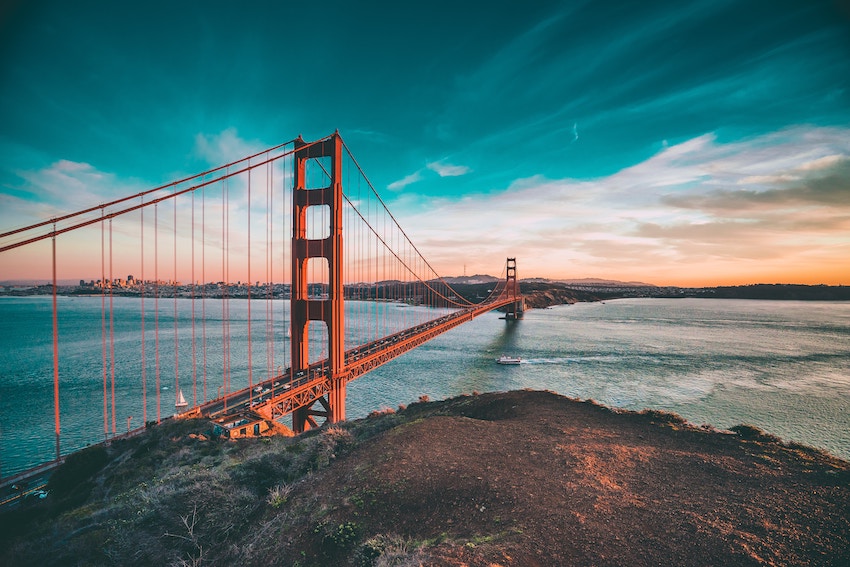
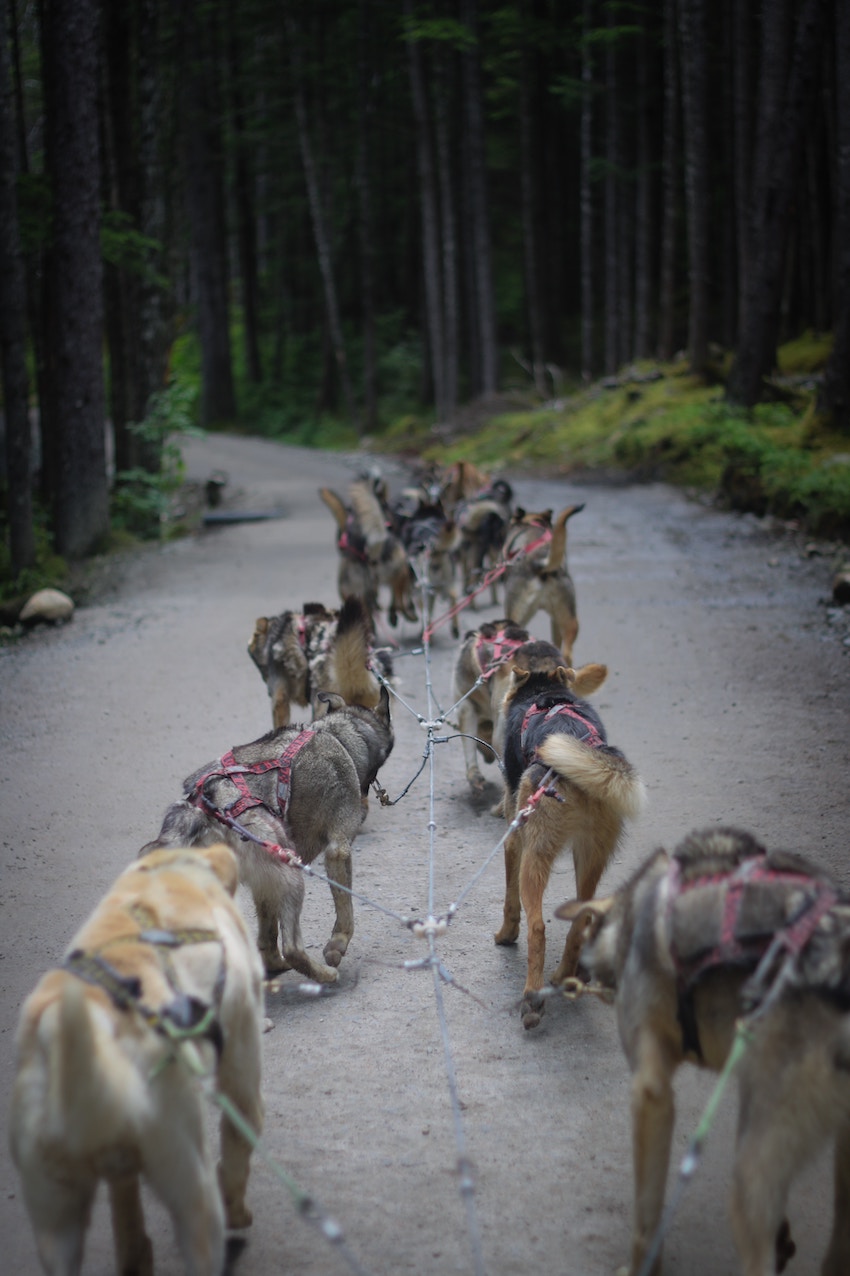
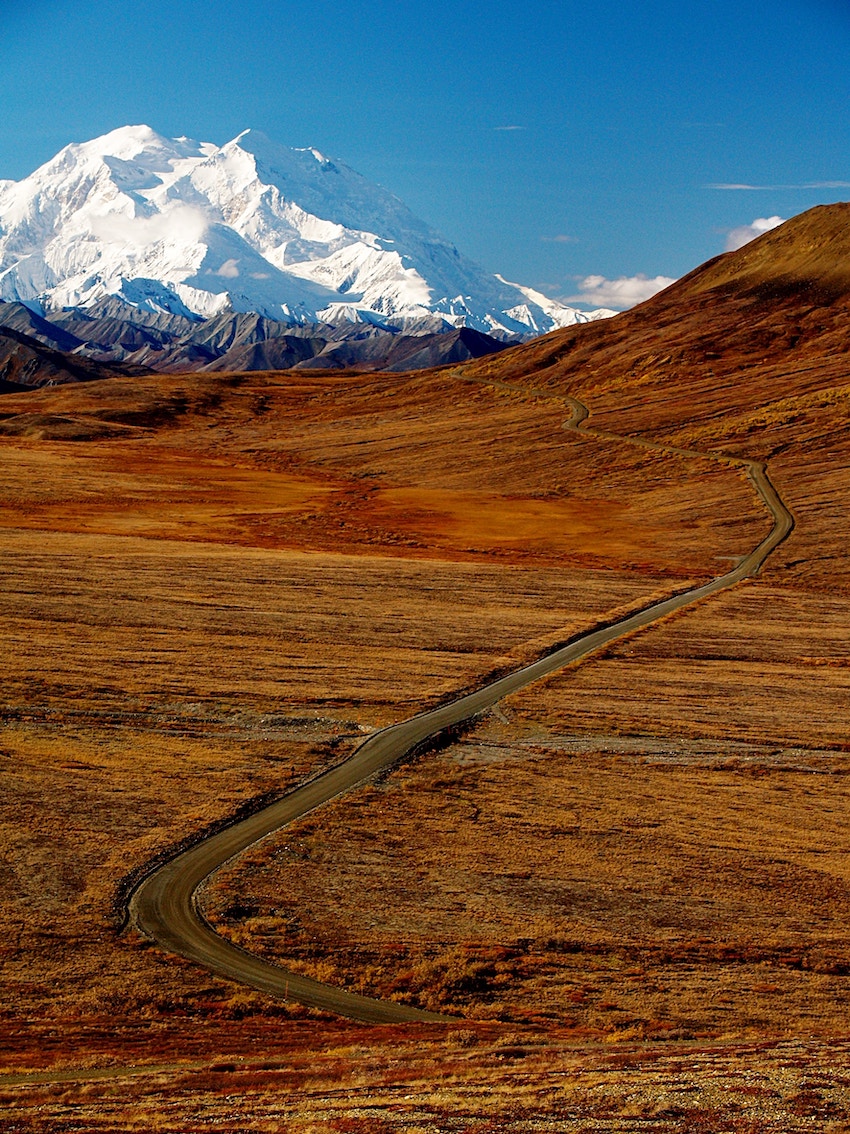
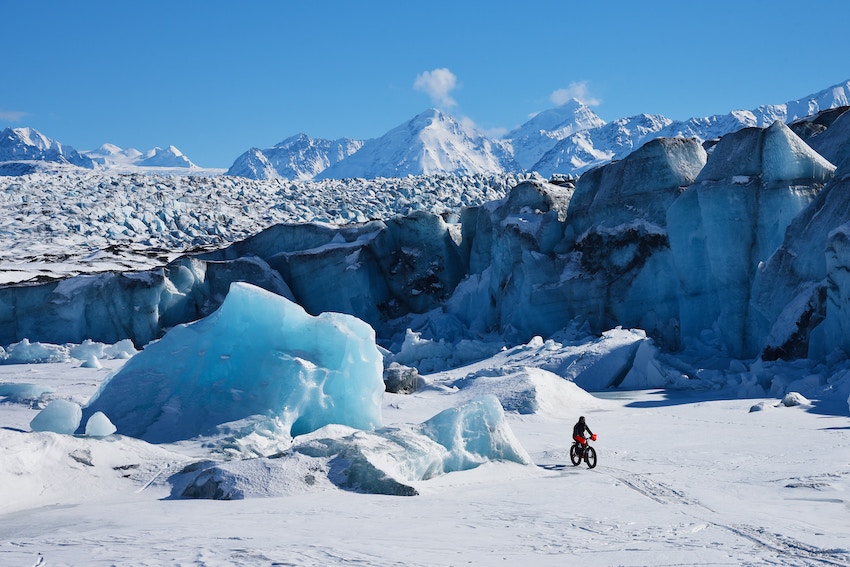
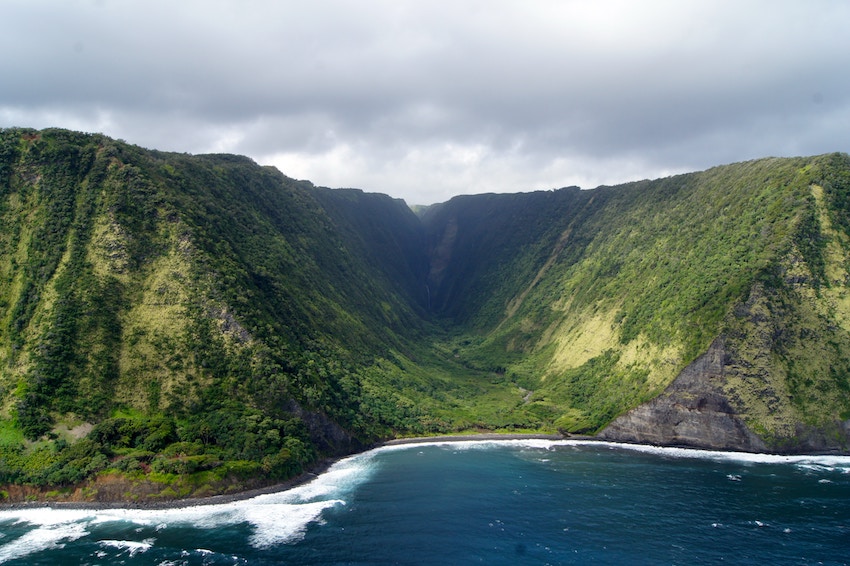
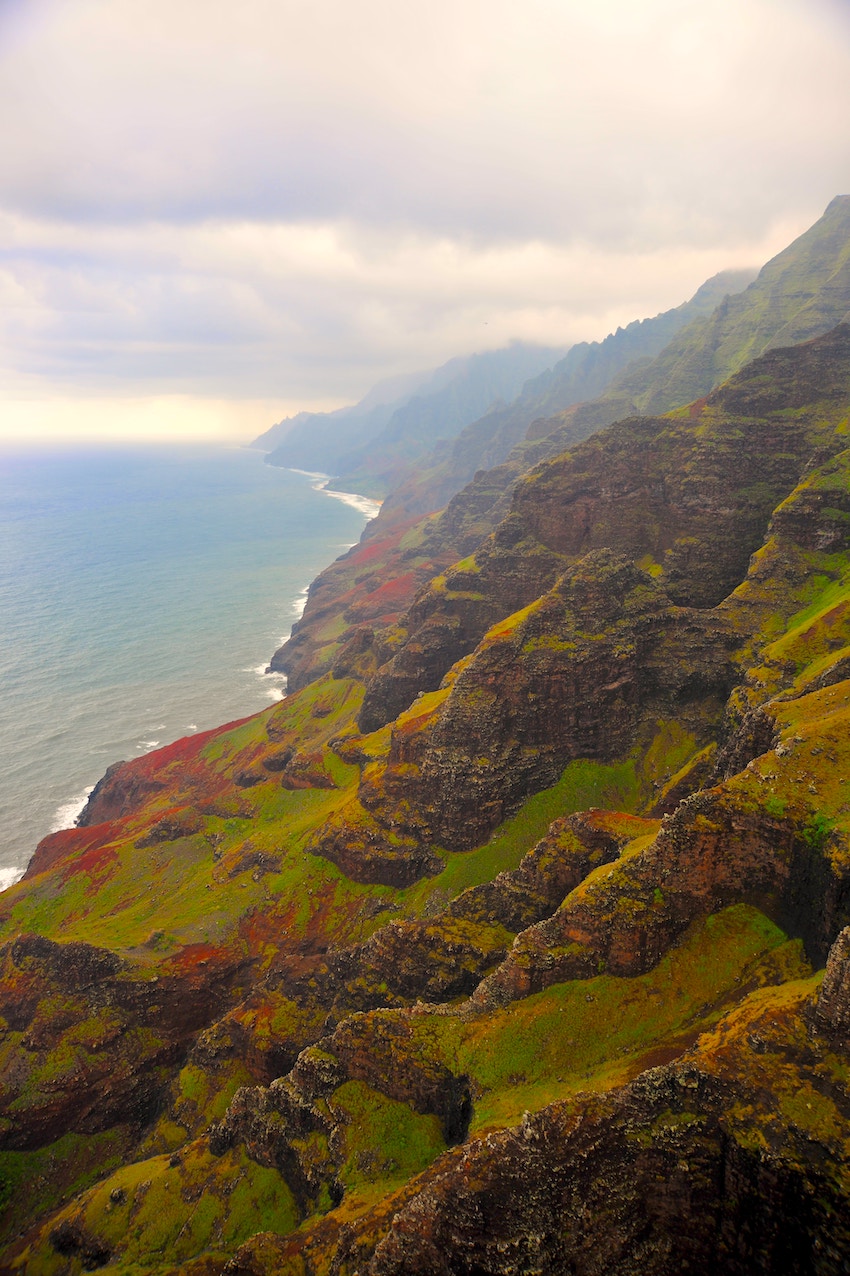
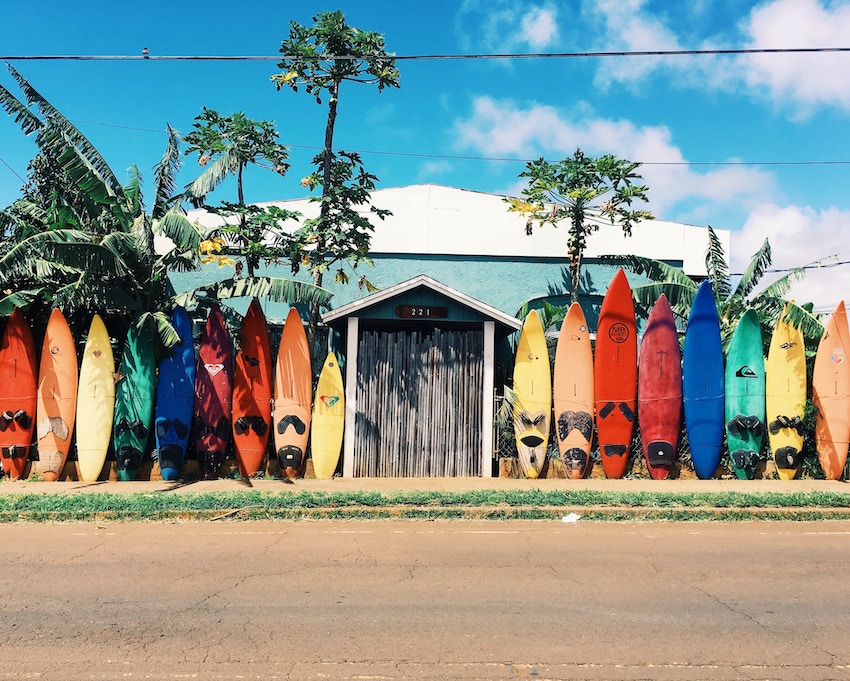
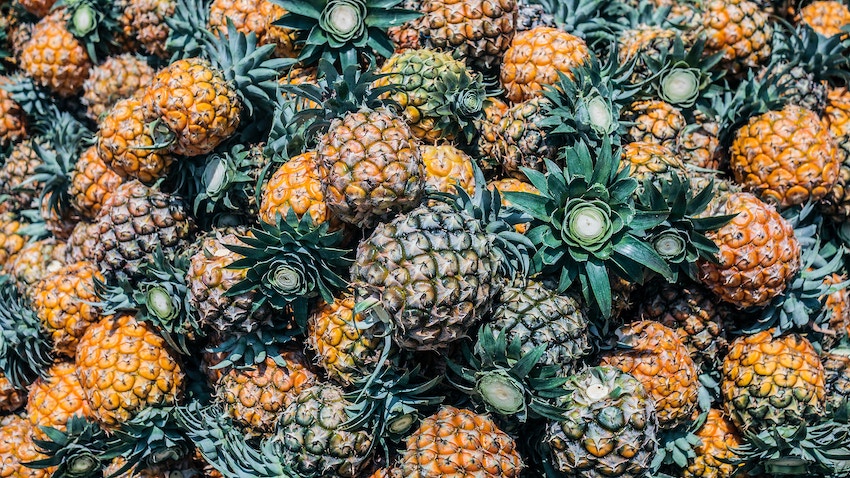
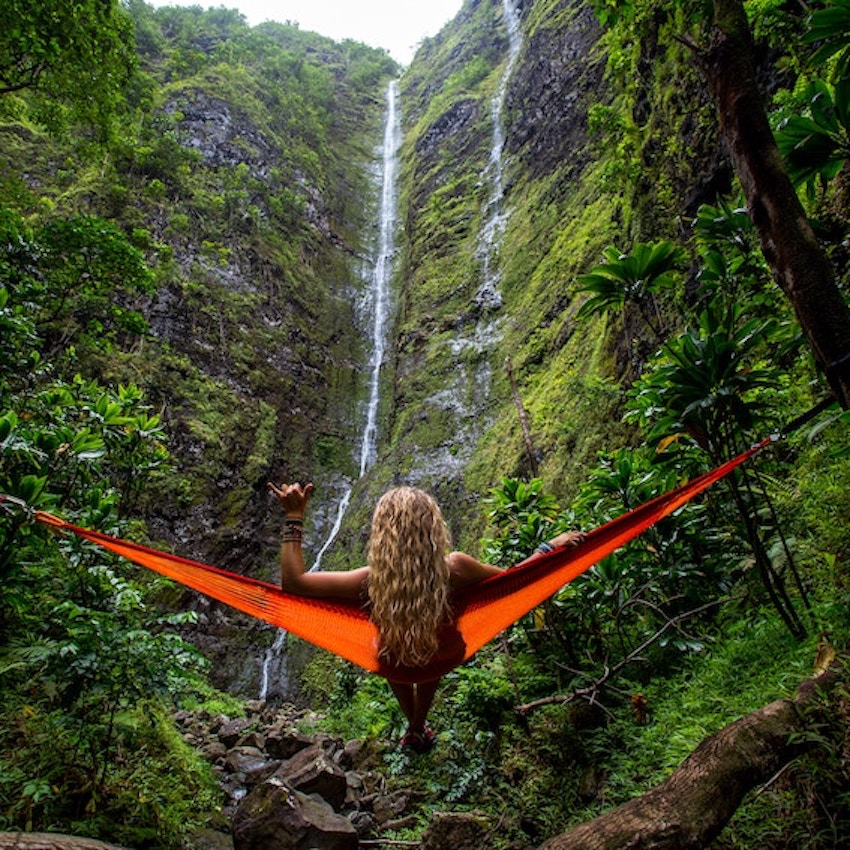



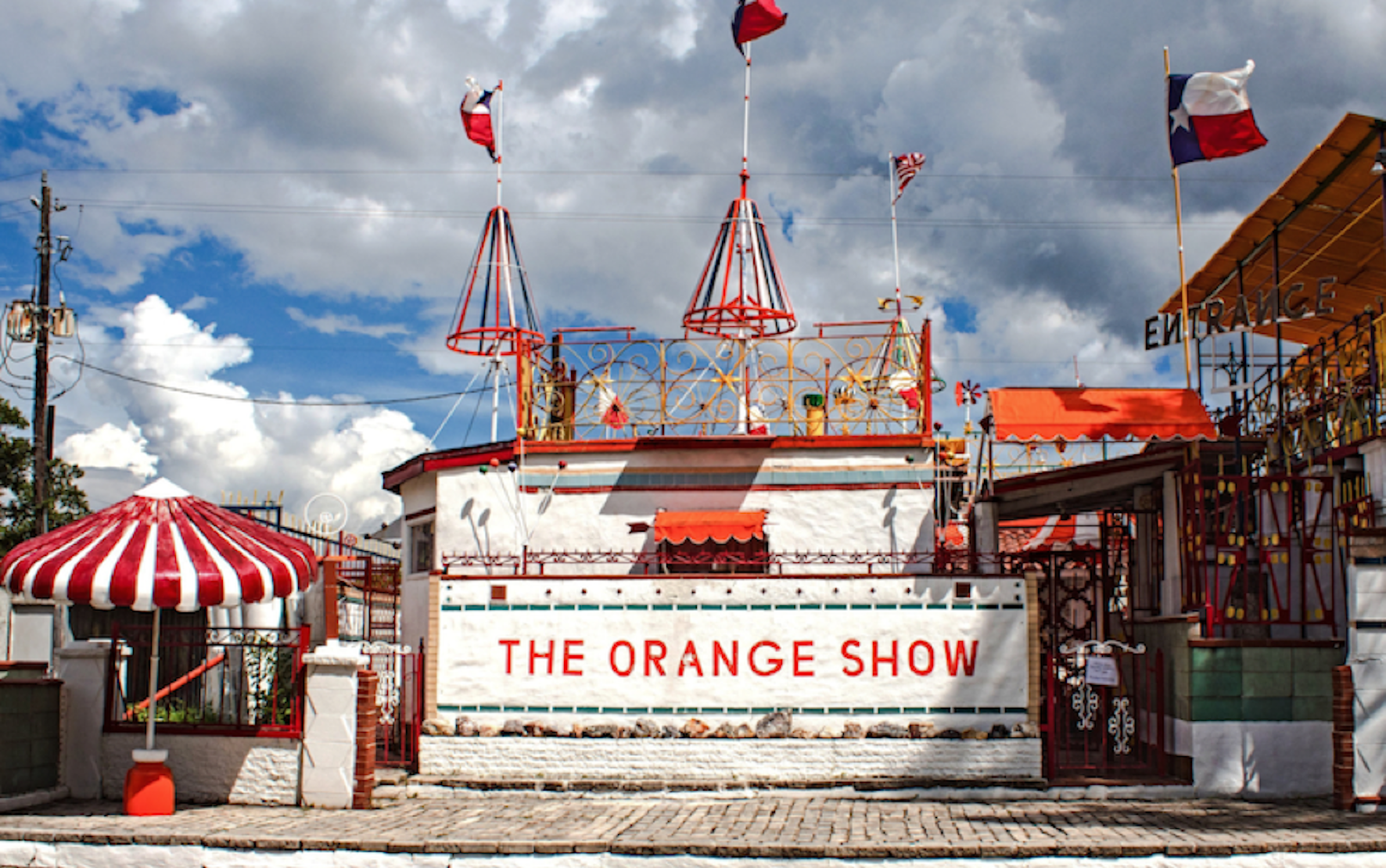
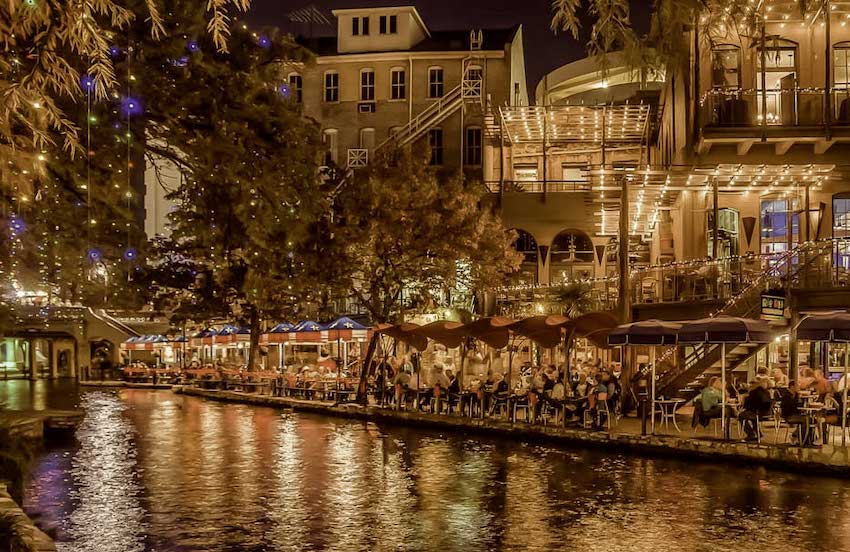
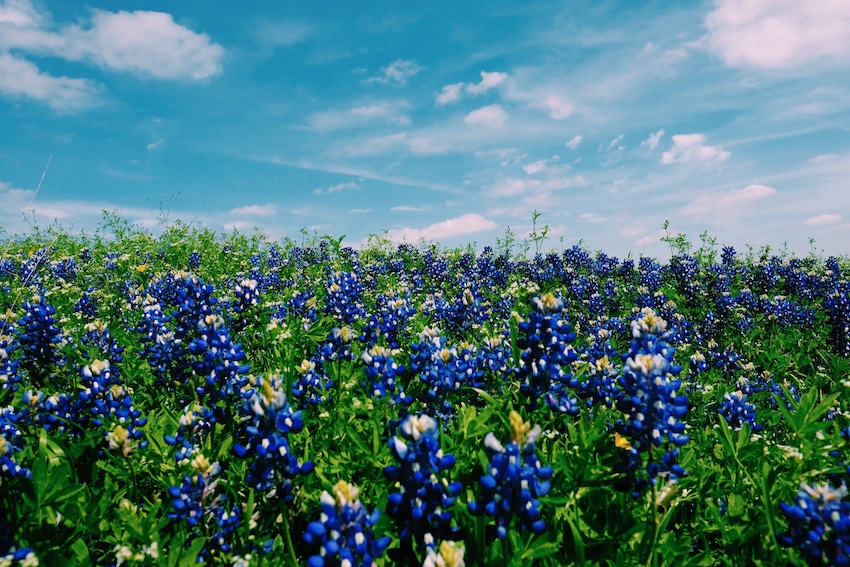
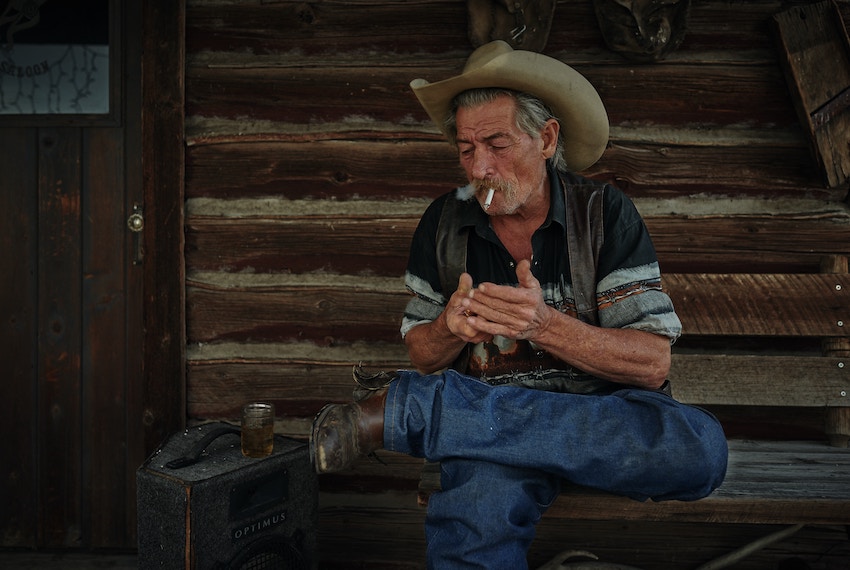

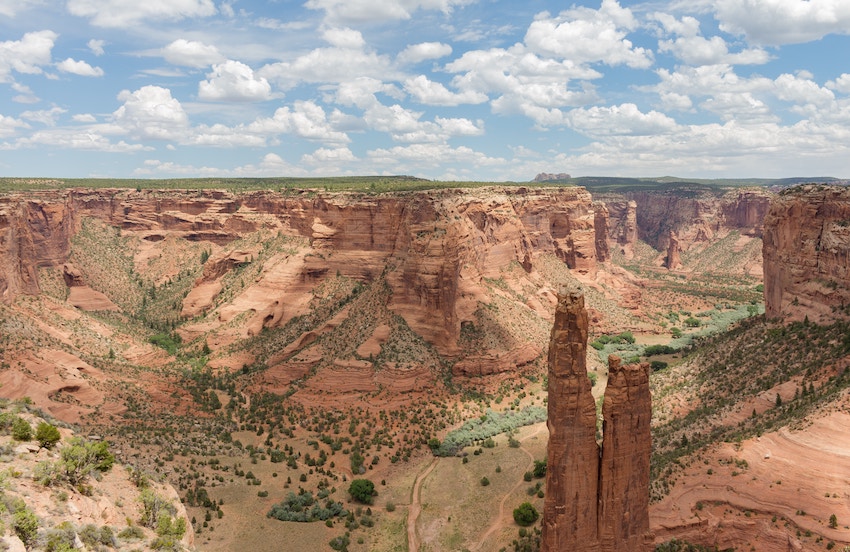

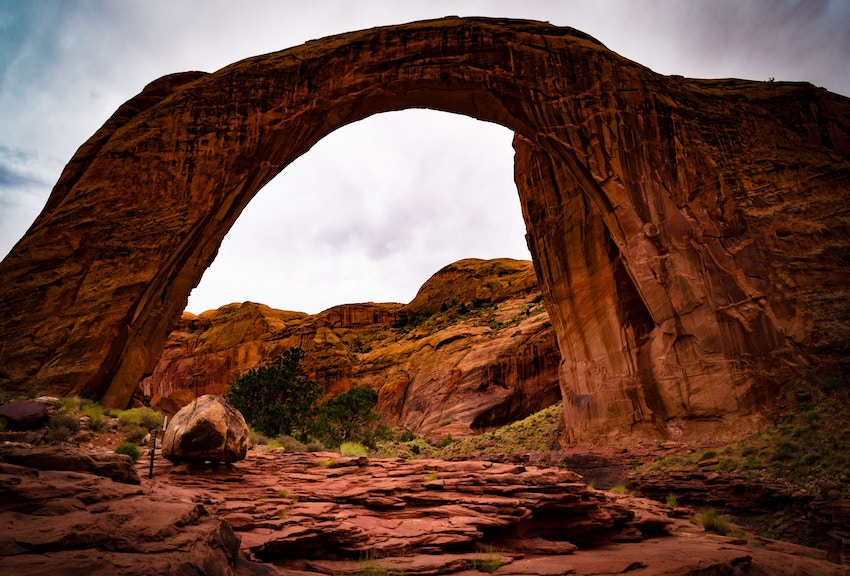


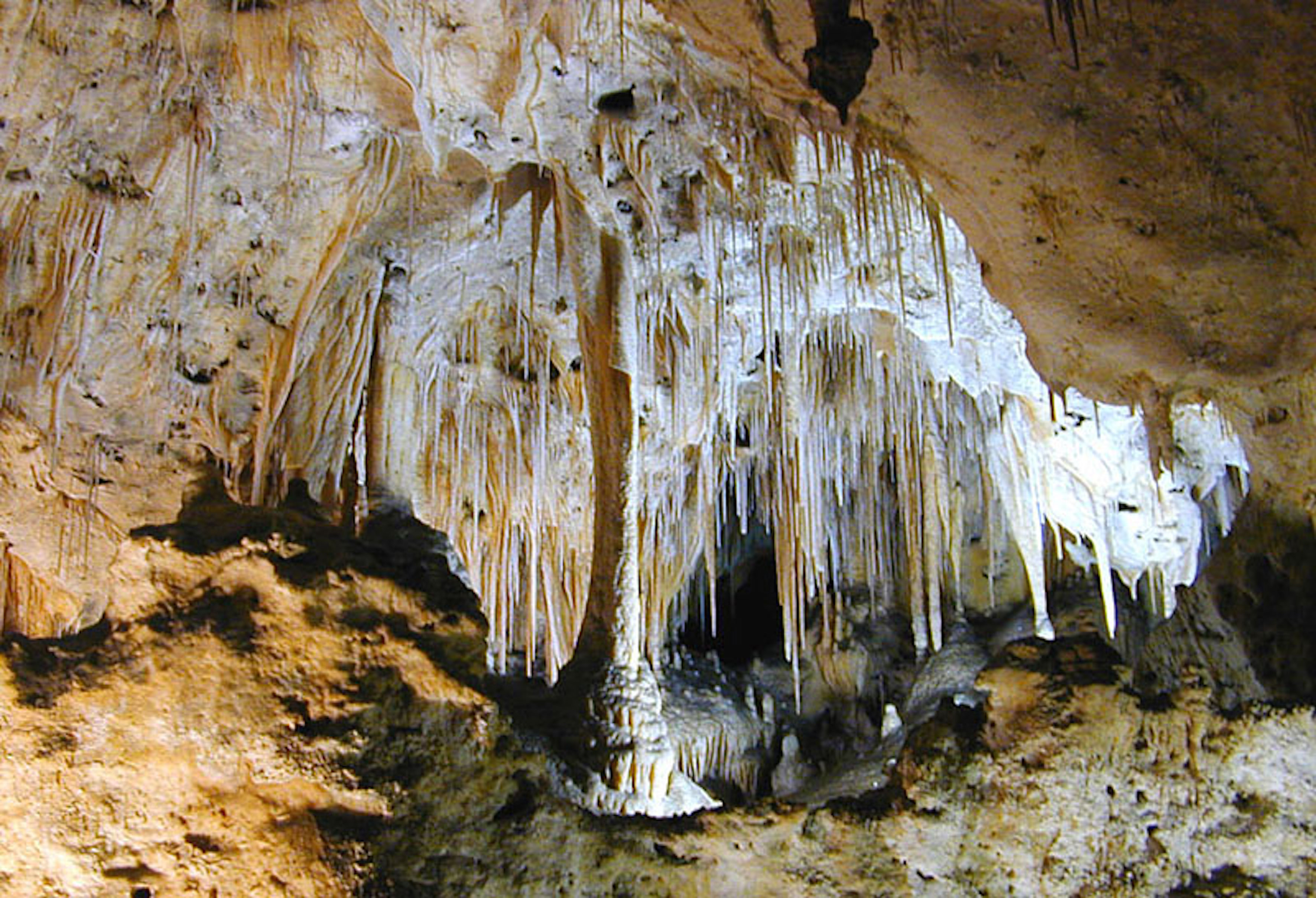
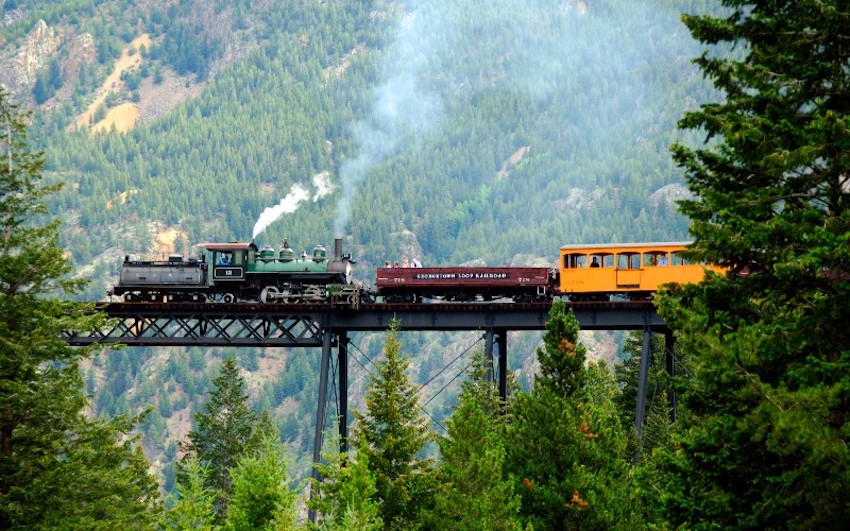

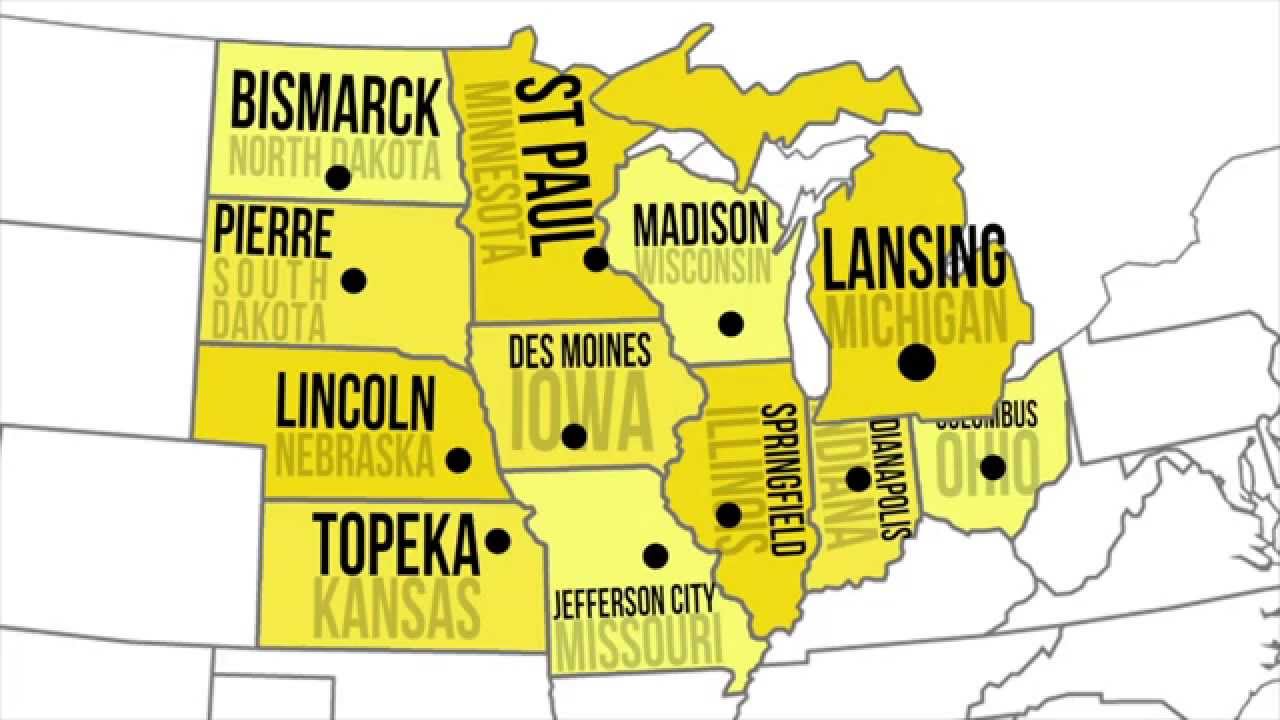
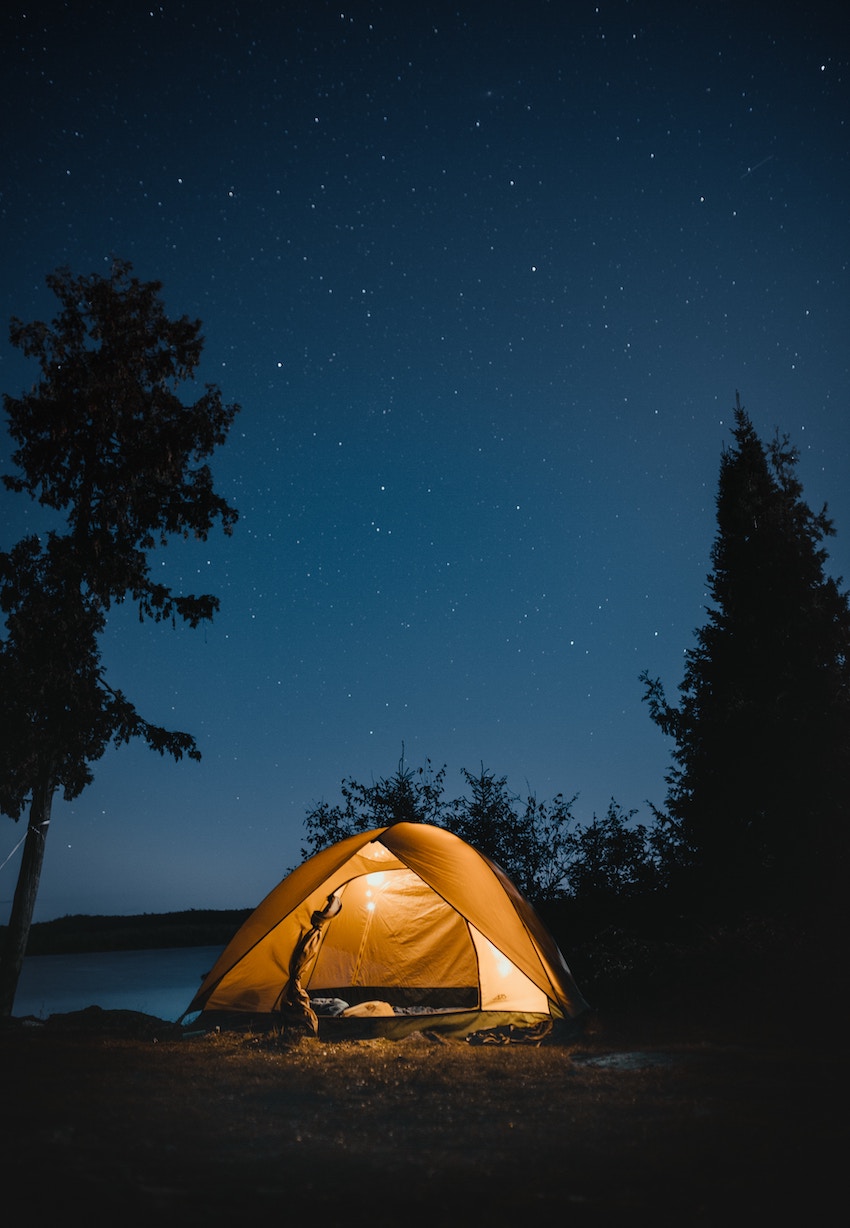
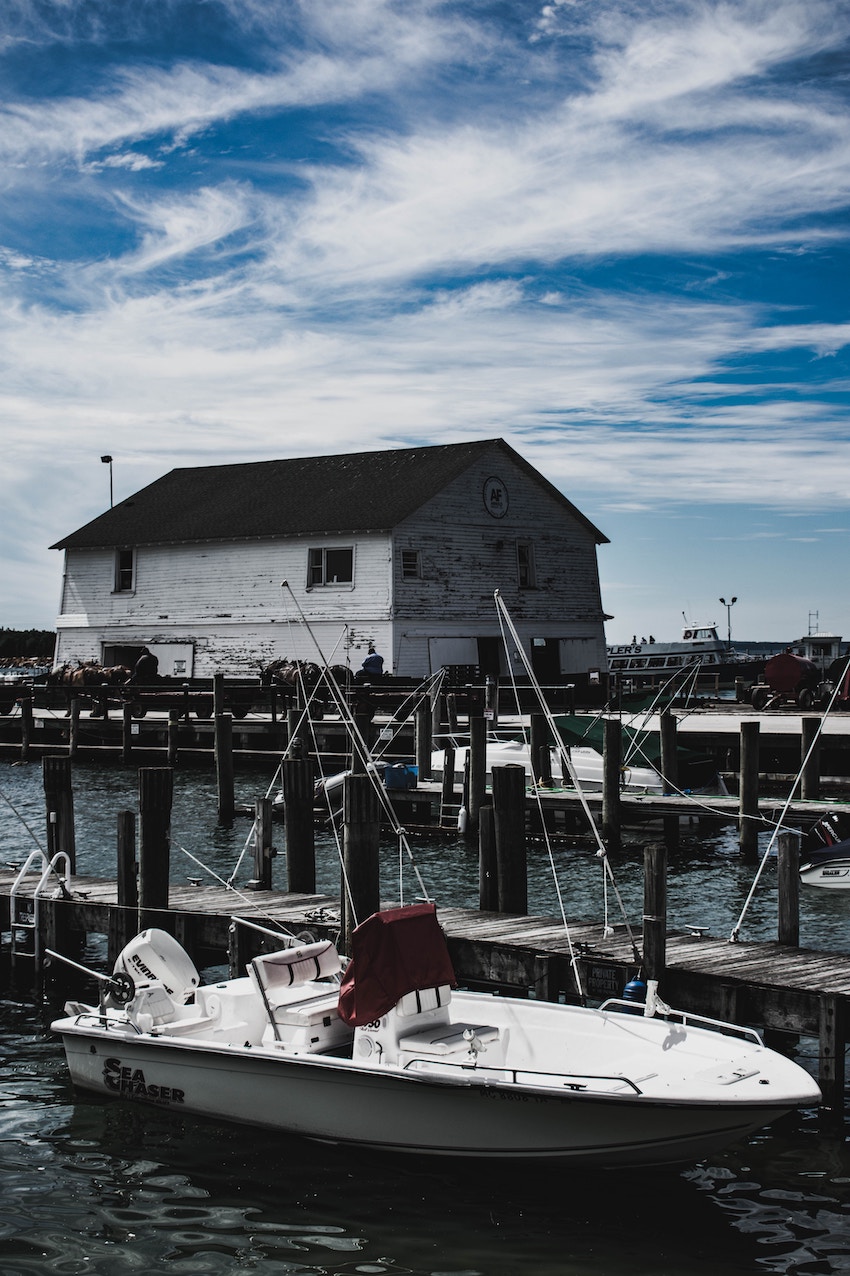


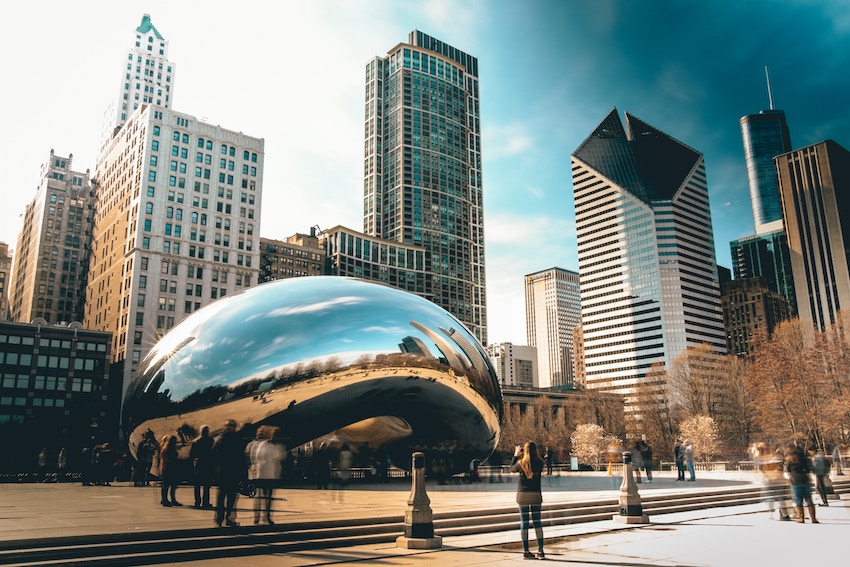
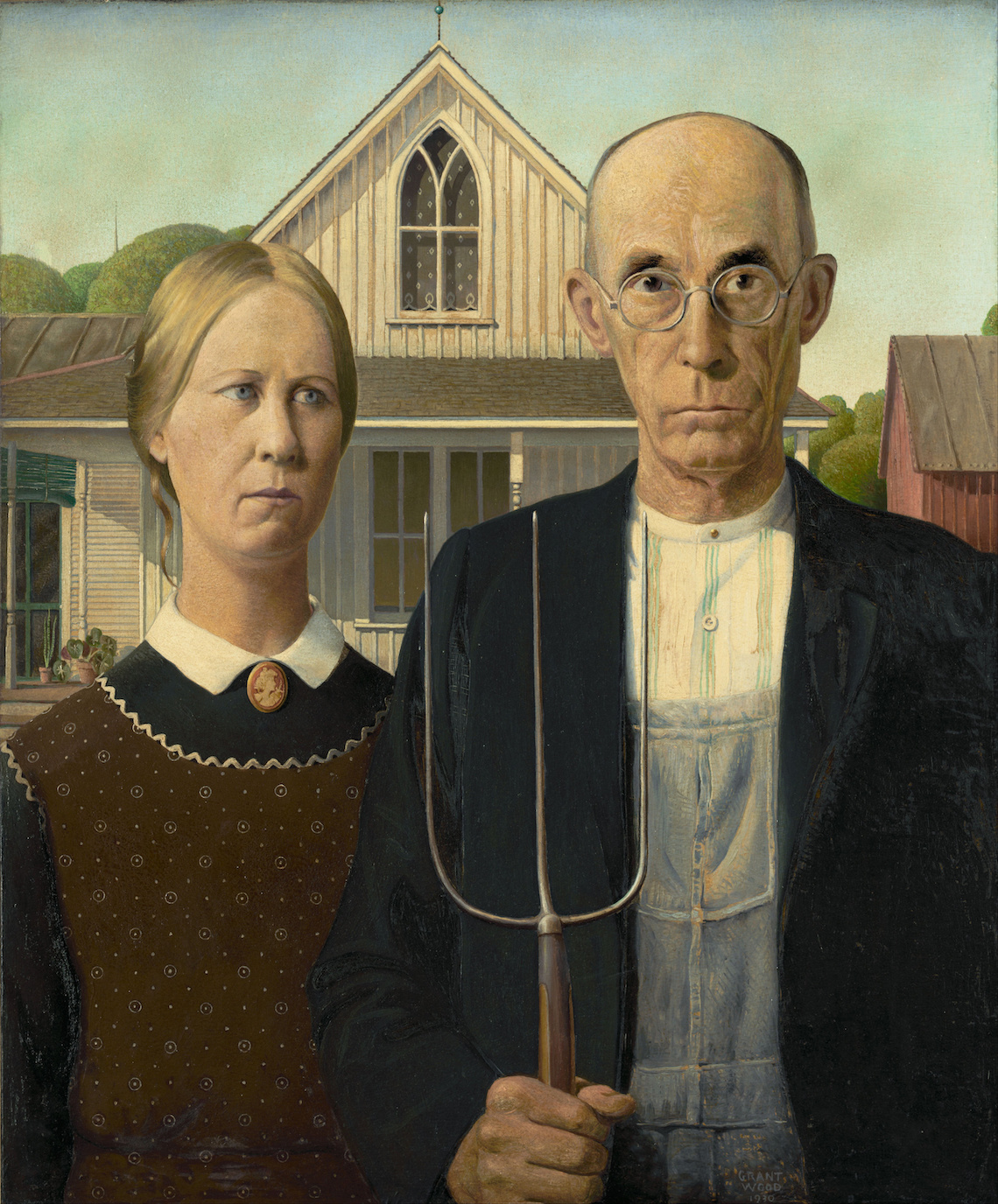

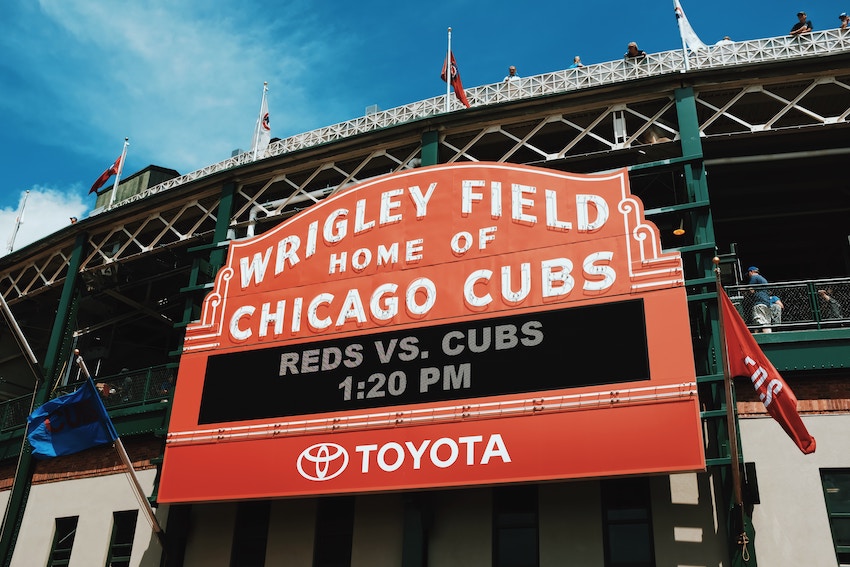


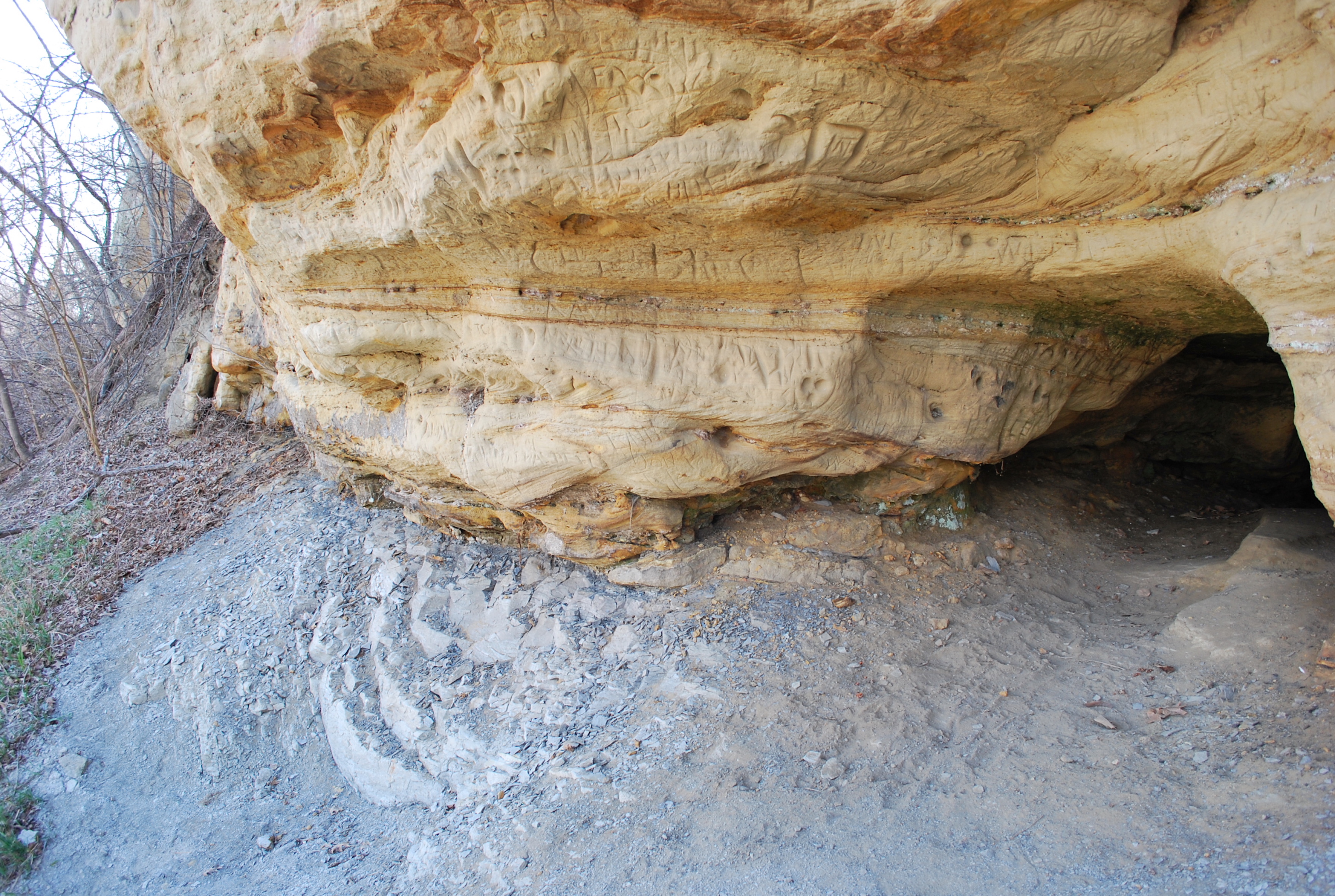
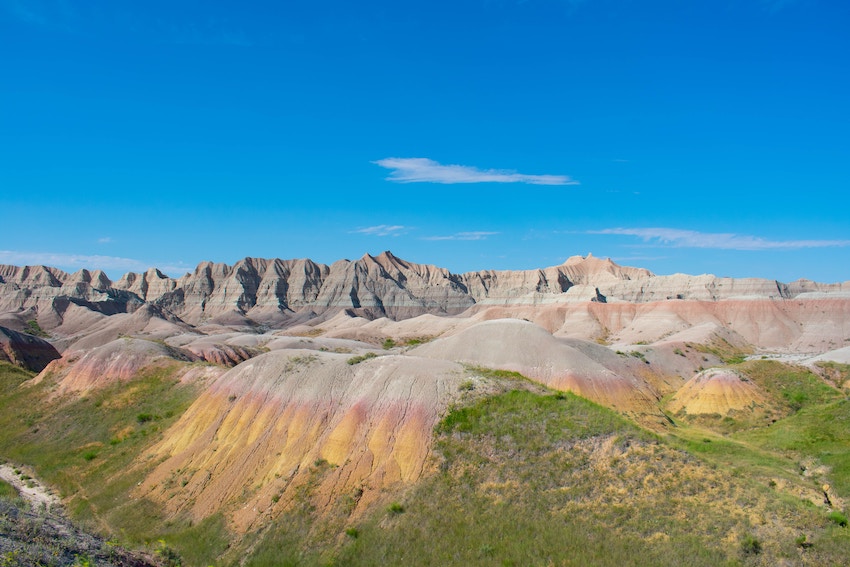
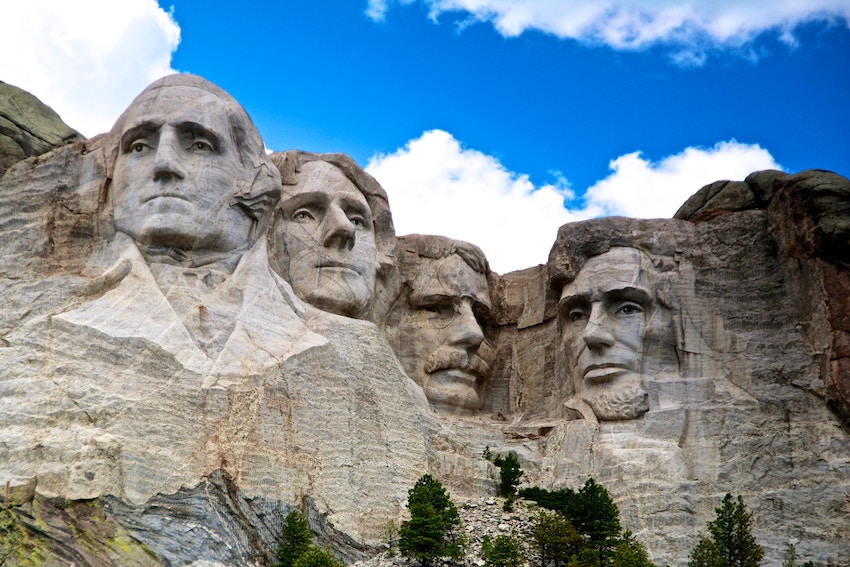


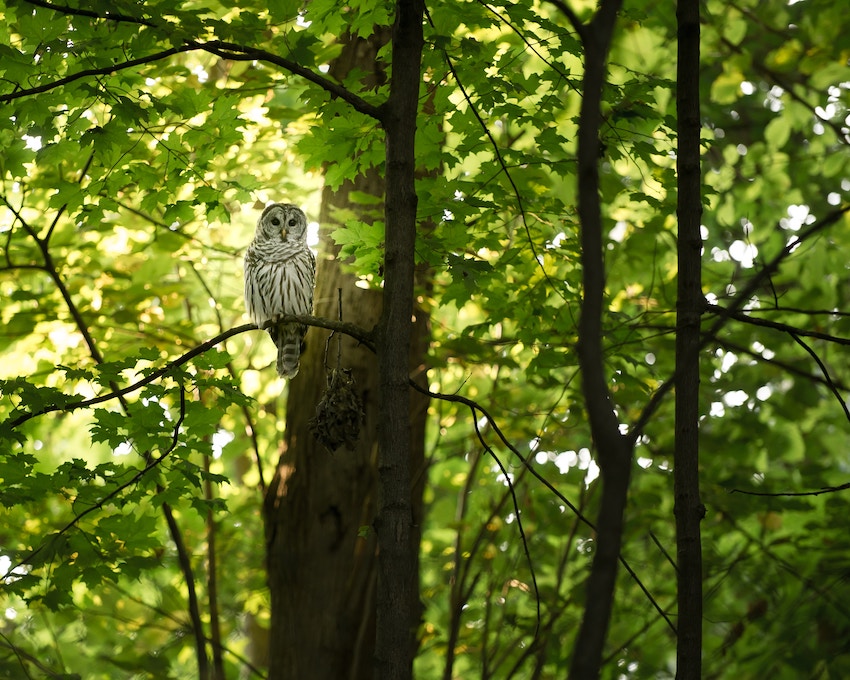

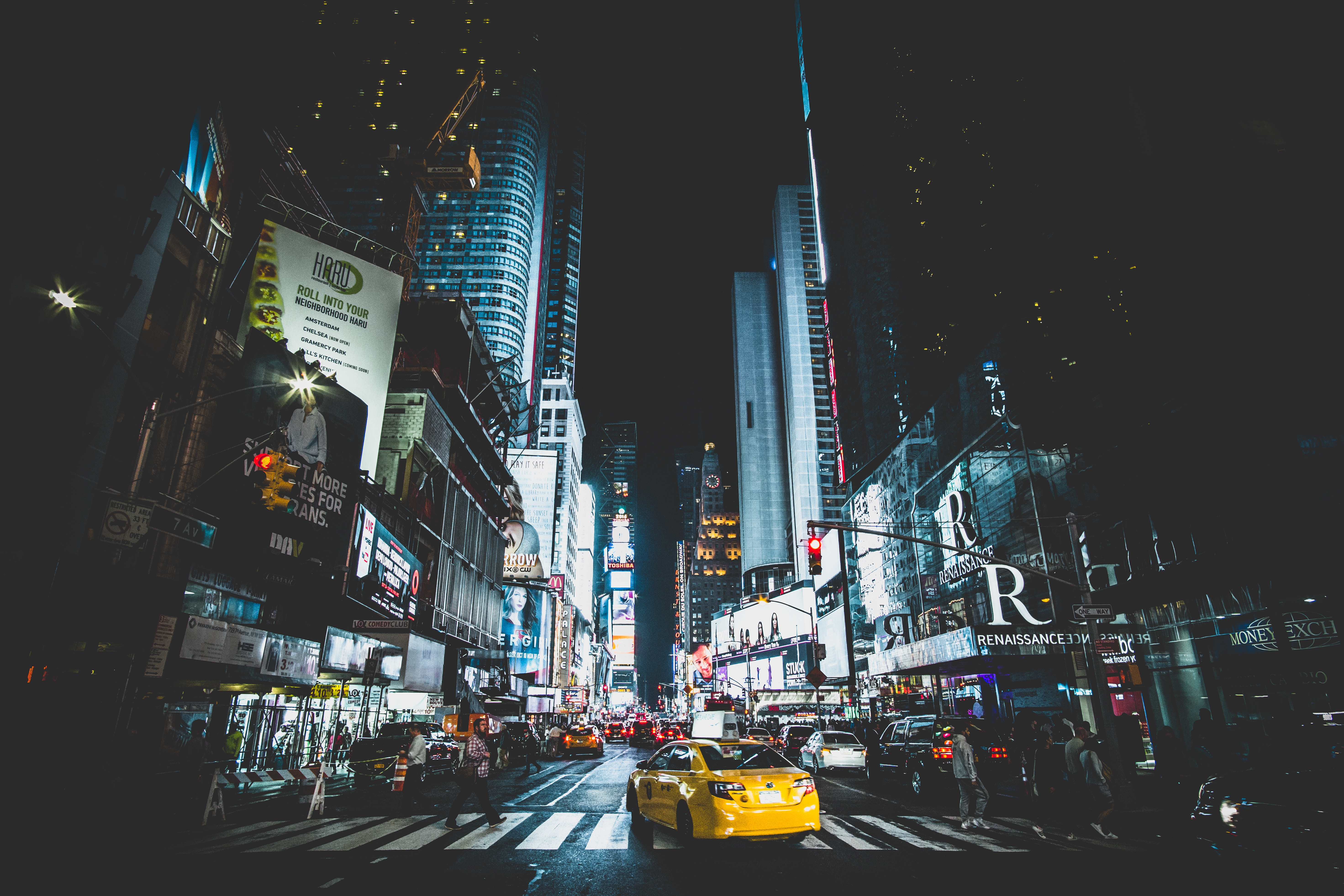

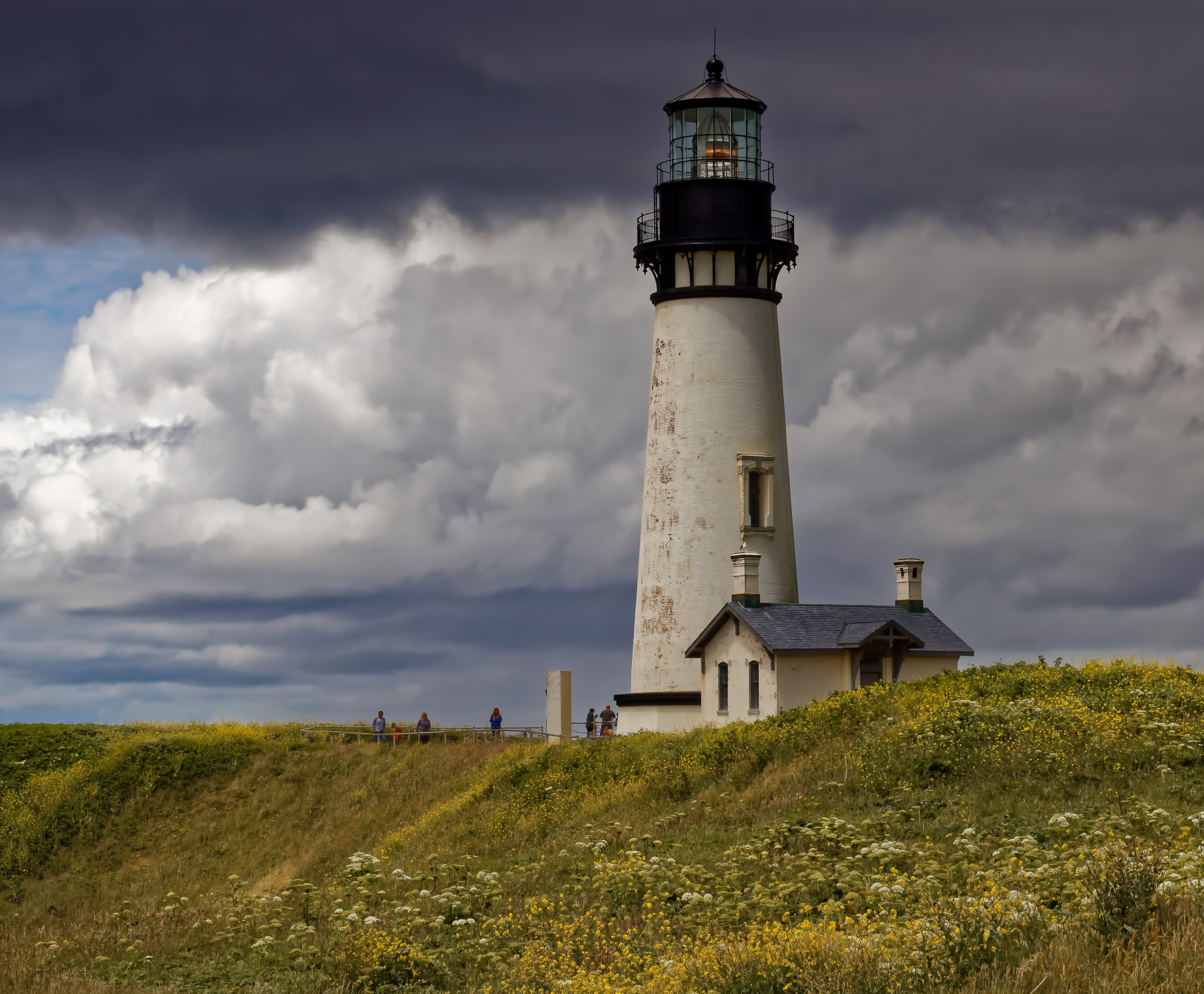
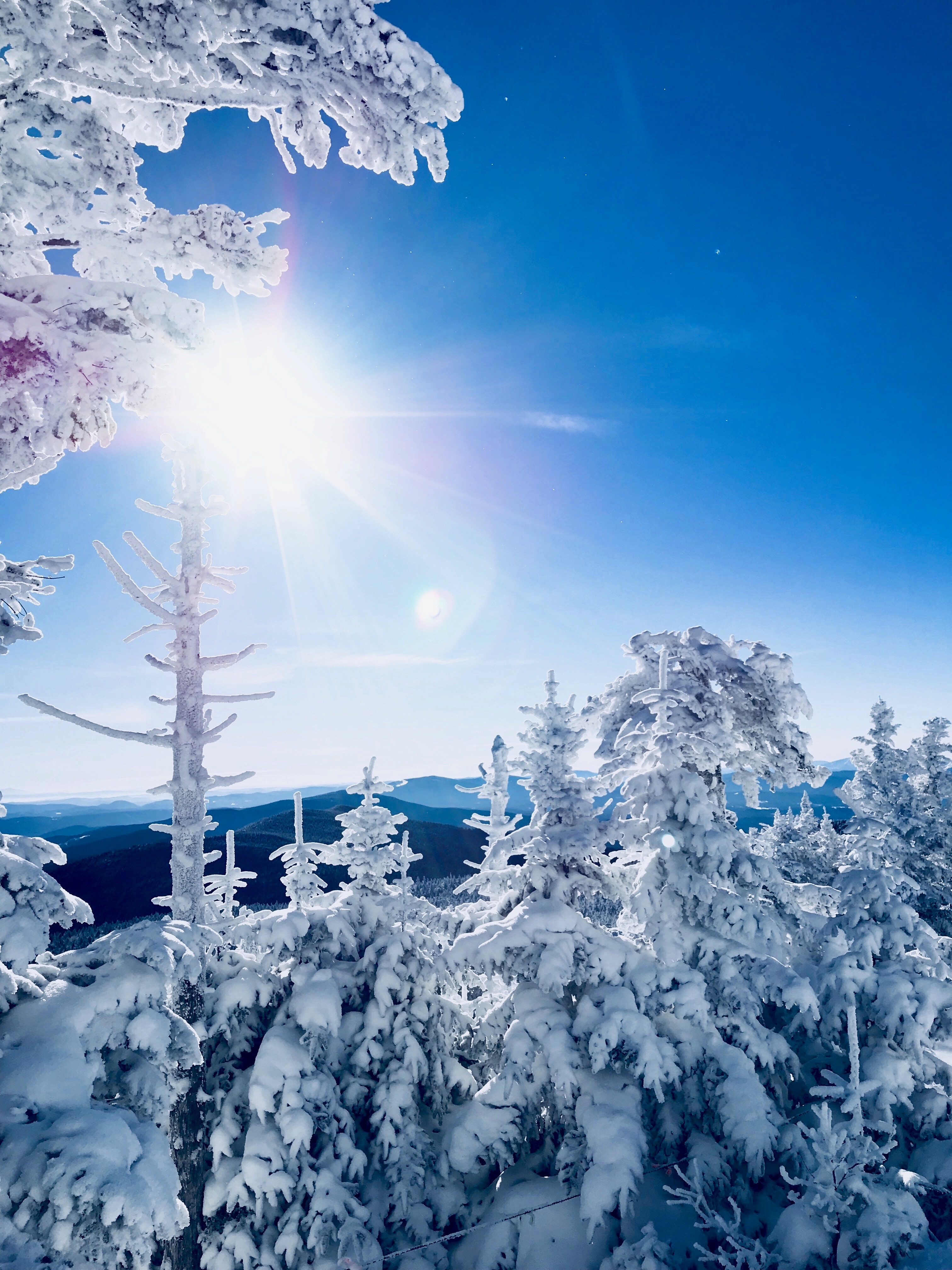

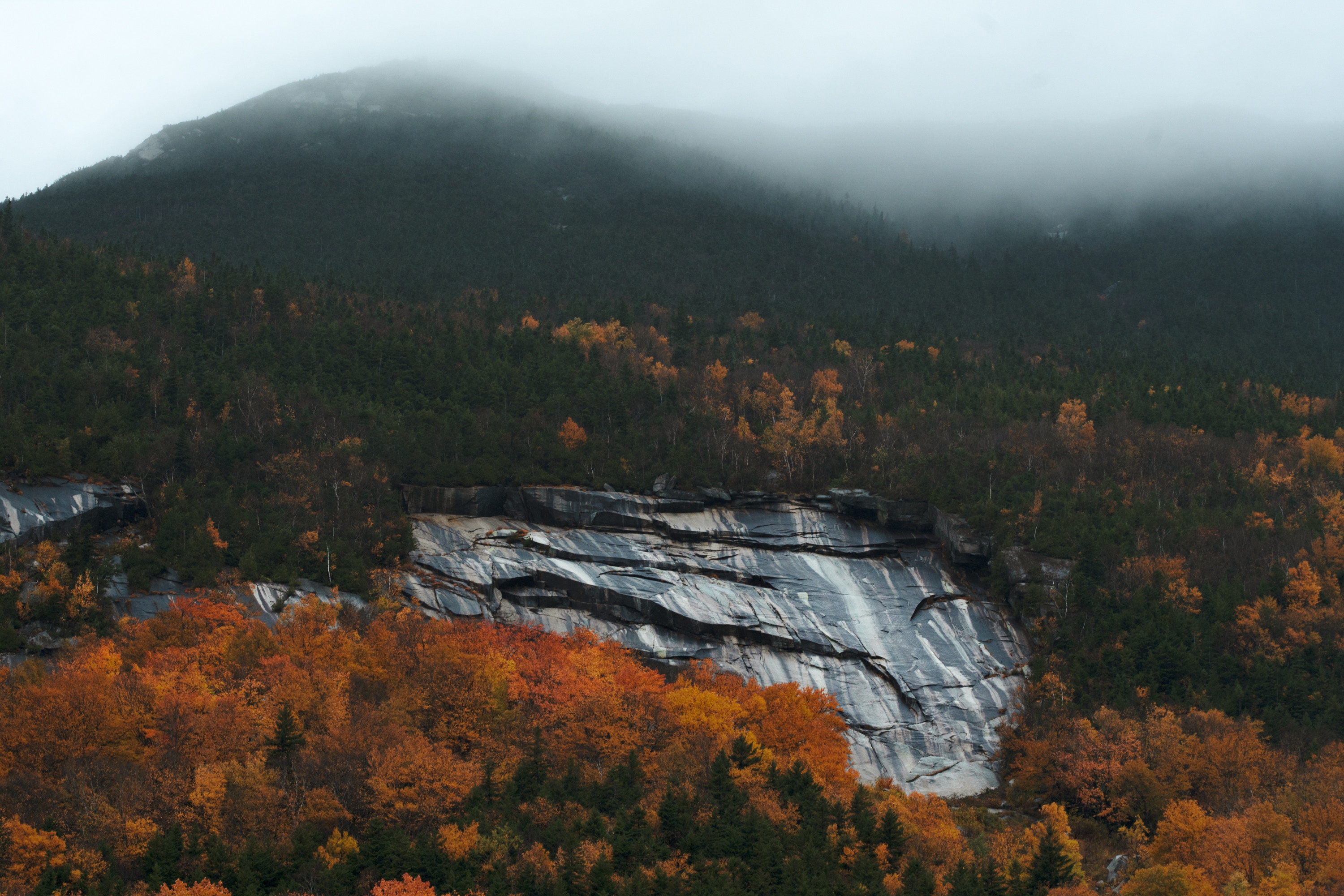
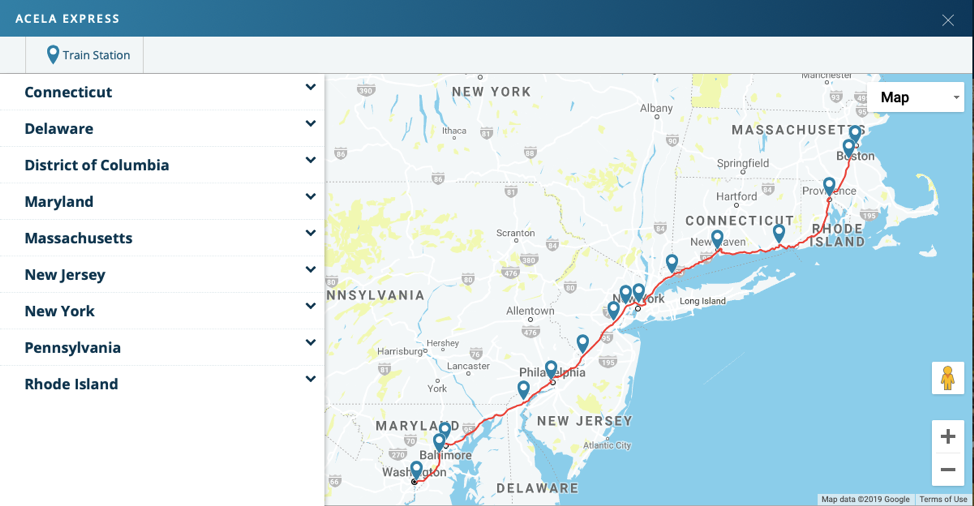
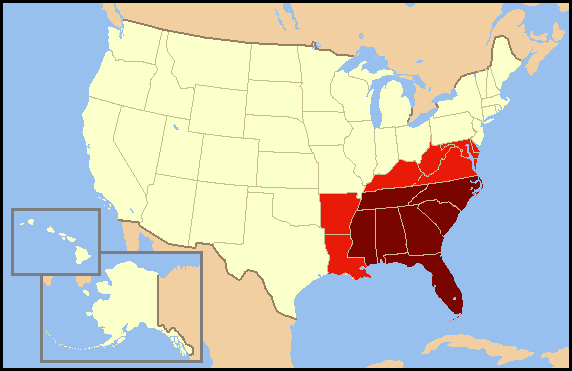
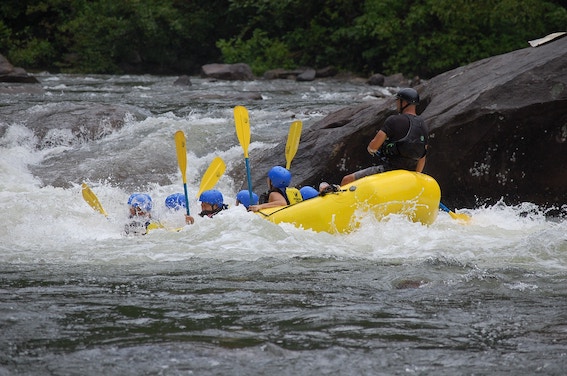
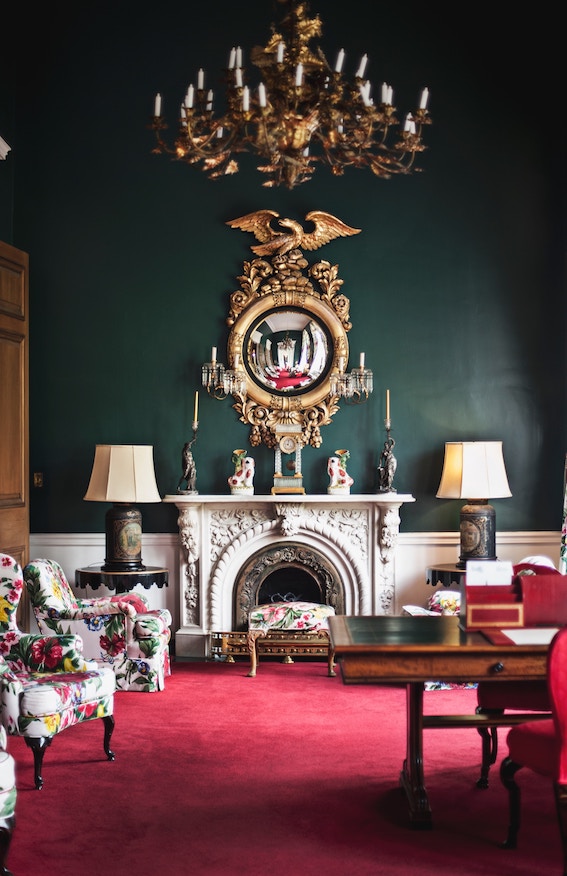
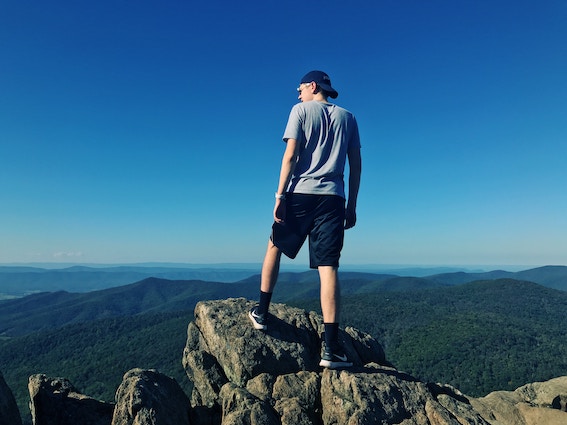



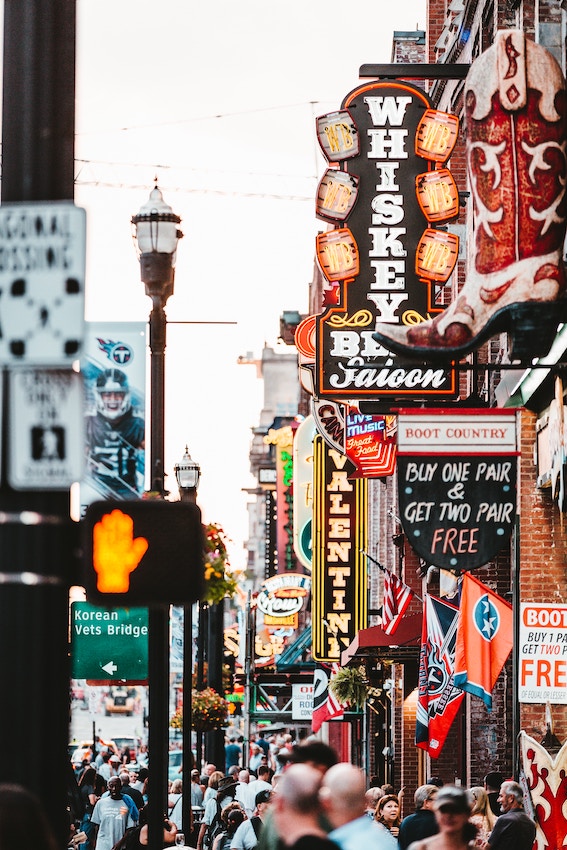
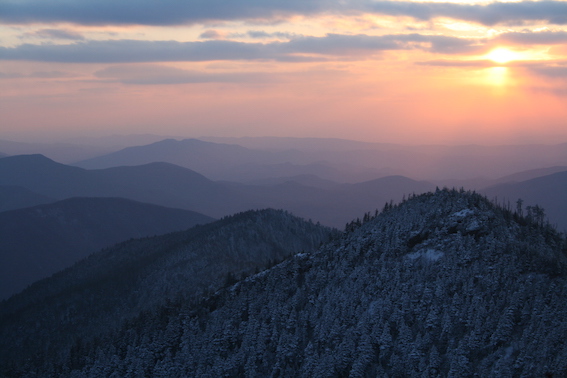

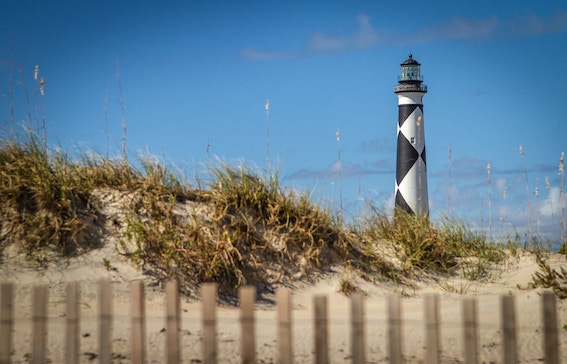
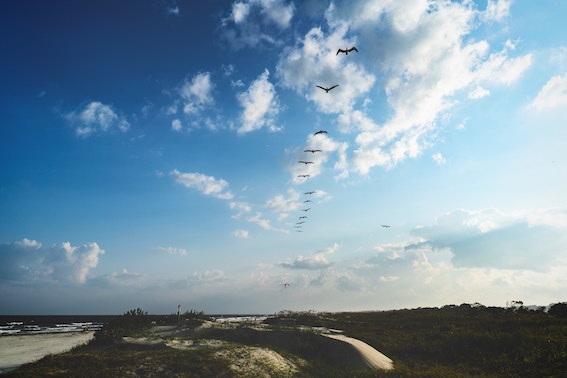
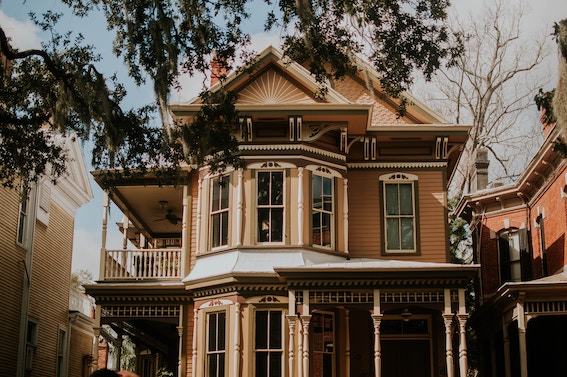
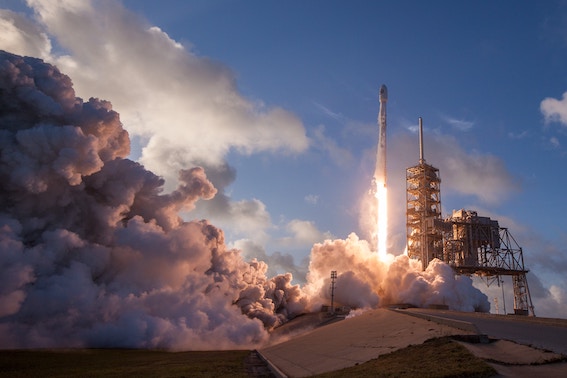
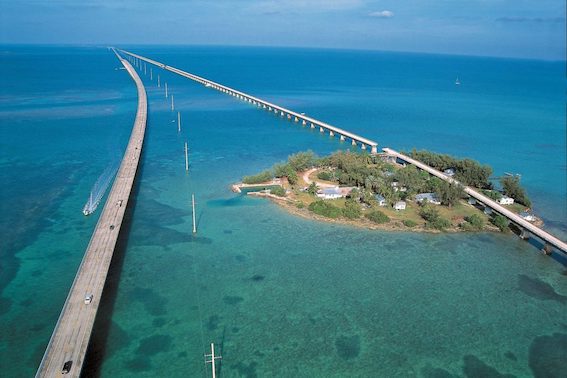

 Home | North American Regions
