
Central Canada is a region consisting of Canada’s two largest and most populous provinces: Ontario and Quebec.
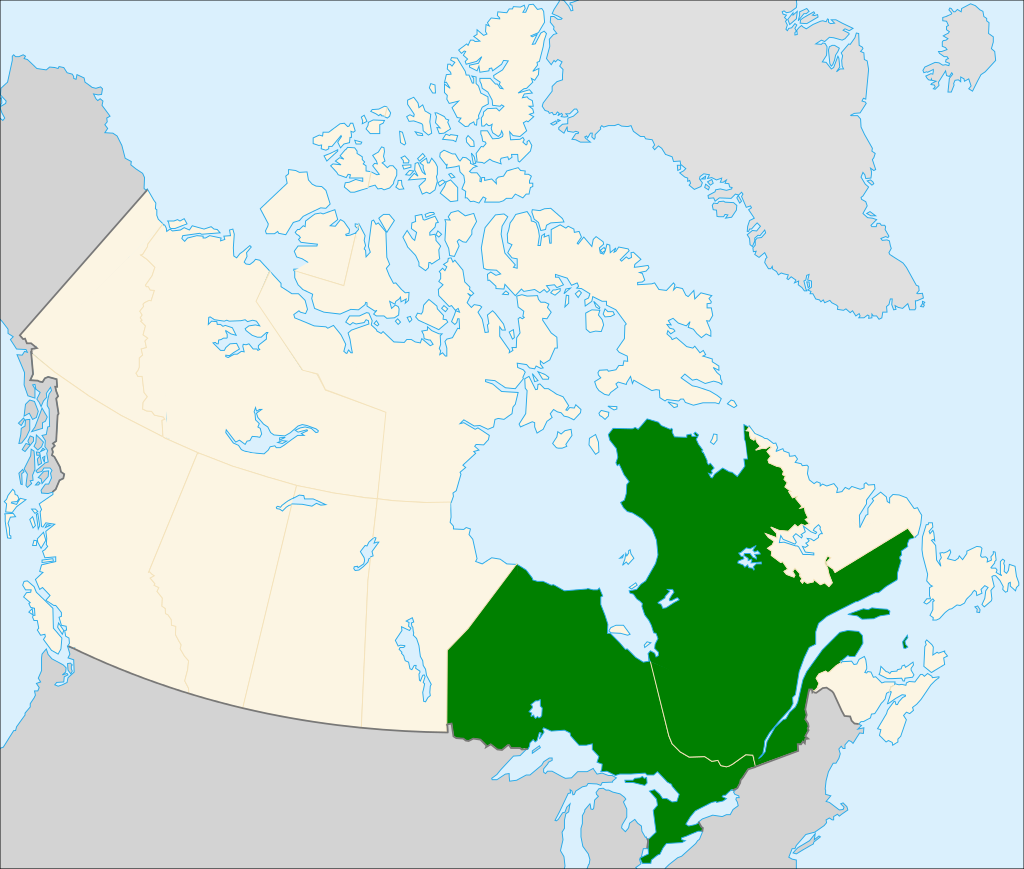
Geographically, they are not at the center of the country but instead toward the east. Due to their high populations, Ontario and Quebec have traditionally held a significant amount of political power in Canada, leading to some amount of resentment from other regions of the country. Before Confederation, the term “Canada” specifically referred to Central Canada. Today, the term “Central Canada” is less often used than the names of the individual provinces.
Main Attractions
Quebec
• Montreal
After Paris, Montreal is the second largest French-speaking city in the world. It has many attractions, here are a few:
o Montreal Festivals
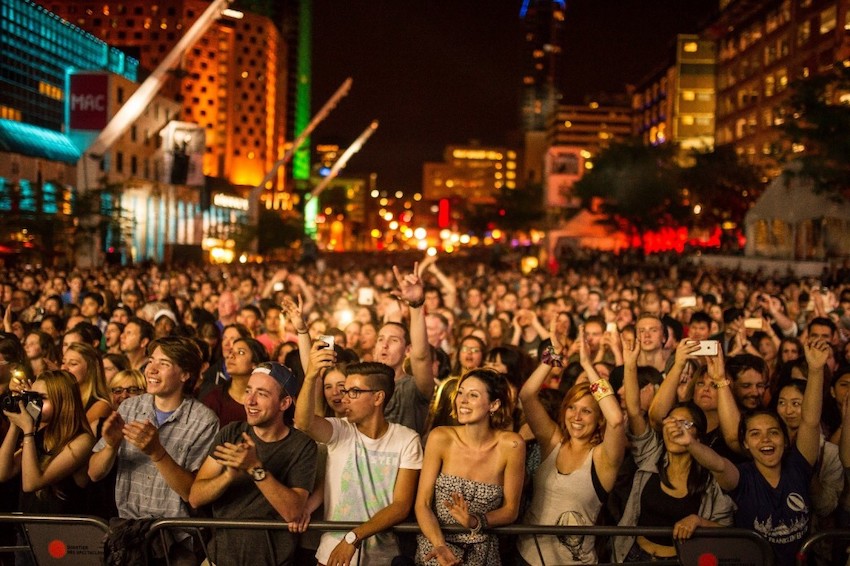
Montreal loves to party, as its reputation as Canada’s “capital of festivals” makes clear. By far the city’s most important event is the 11-day Montreal International Jazz Festival, world’s largest and most prestigious. Starting with a bang – quite literarily-the Montreal International Fireworks Competition lights up the city’s nights from mid-June through late August. The Just for Laughs festival is the world’s largest comedy event. In July, more than 1,600 comedians from over 20 countries come to Montreal for the two-week festival. In late August and early September, the World Film Festival brings together more than 450 international films, with entries from nearly 80 countries.
o Vieux-Montréal
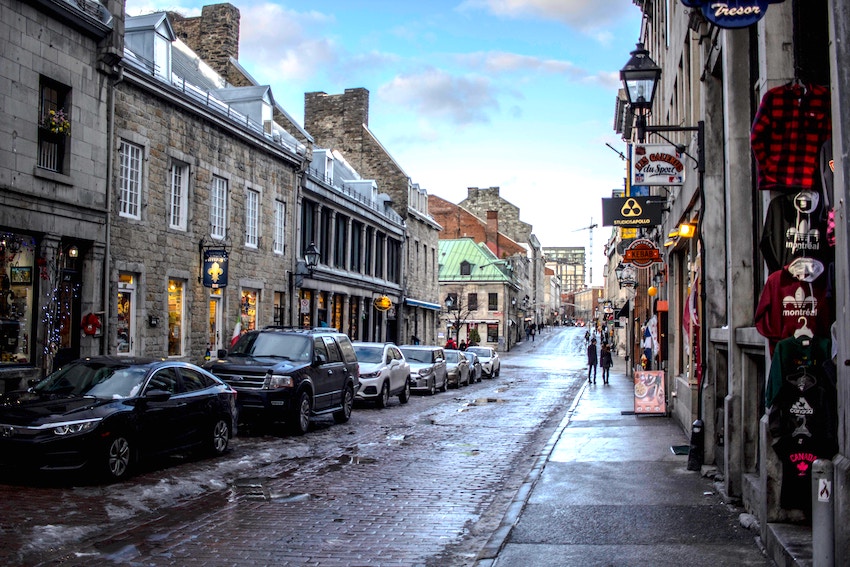
Montreal got its start in 1642 when a group of French missionaries arrived by the river and set up camp, intent on converting the local Iroquois to Christianity. By 1759, after the British defeated the French for the rule on Canada, the growing city was centered along a narrow stretch of headland above the busy port on the St. Lawrence River. Today’ this is Montreal’s old city center, known as Vieux-Montréal, despite almost 250 years of British rule, it remains a bastion of French diaspora culture. Place Jacques-Cartier is the epicenter of Montreal summer life, with its street performers and horse-drawn carriages – you’ll see why it is commonly used by North American film crews as a stand-in location for Europe.
• Quebec City
o Carnival de Québec

In winter’s frosty midst- partly in defiance, partly in celebration- Quebec City springs to life during the Carnaval de Quebec (Quebec Winter Carnaval). The world’s largest winter carnival and the Mardi Gras of the north, it promises 17 festive days of dancing, music, parades and winter sports. Here you can also try the Caribou drink, a mixture of brandy, vodka, sherry, and port. Presiding over the carnival is Bonhomme, a snowflake and mythical resident of the Ice Palace, an enormous castle built entirely of ice near the Quebec Parliament Building. A high point of the carnival is the International Snow Sculpture Competition. You can stay at the Hôtel de Glace, a 32,000-square-foot hotel constructed of ice and snow. It offers 44 guest rooms and suites made entirely out of snow and ice.
o Vieux-Québec
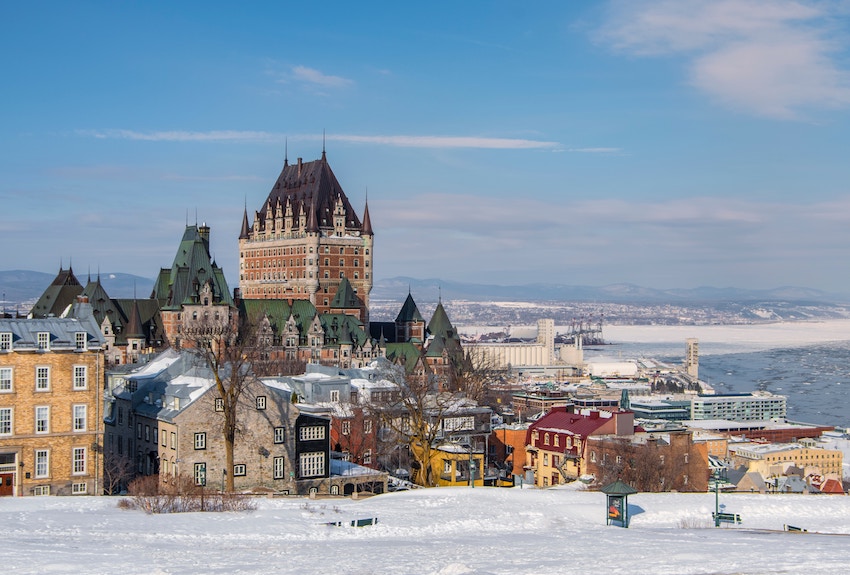
Once the capital of New France, Quebec City is one of the oldest European settlements in North America and the continent’s only walled city north of Mexico. Vieux-Québec is divided into the Haute-Ville and Basse-Ville ( Lower and Upper Towns). Towering above all of the Vieux-Québec with green-copper turrets, and in many ways, the symbol of the city is the Fairmont Le Château Frontenac.
• Mont Tremblant Resort and the Laurentian Mountains

Mont Tremblant, North America’s second oldest ski resort after Idaho’s Sun Valley stand atop the highest peak of Quebec’s Laurentian Mountains. The mountain receives more than 150 inches of snow each winter, and a full 50% of its trails are classified expert, including a daunting double-black diamond Dynamite with 42-degree incline, the steepest in Eastern Canada. At the mountain’s base lies Mont Tremblant Village, a pedestrian-only area designed to resemble Quebec City’s historic district, right down to its cobbled streets, wrought-iron balconies, and tin roofs. Mont Tremblant is as busy in summer as in winter. July brings a popular 9-day blues festival; in September the Laurentian Mountains are ablaze with colorful autumn foliage, particularly the fiery red of native sugar maples.
• Charlevoix
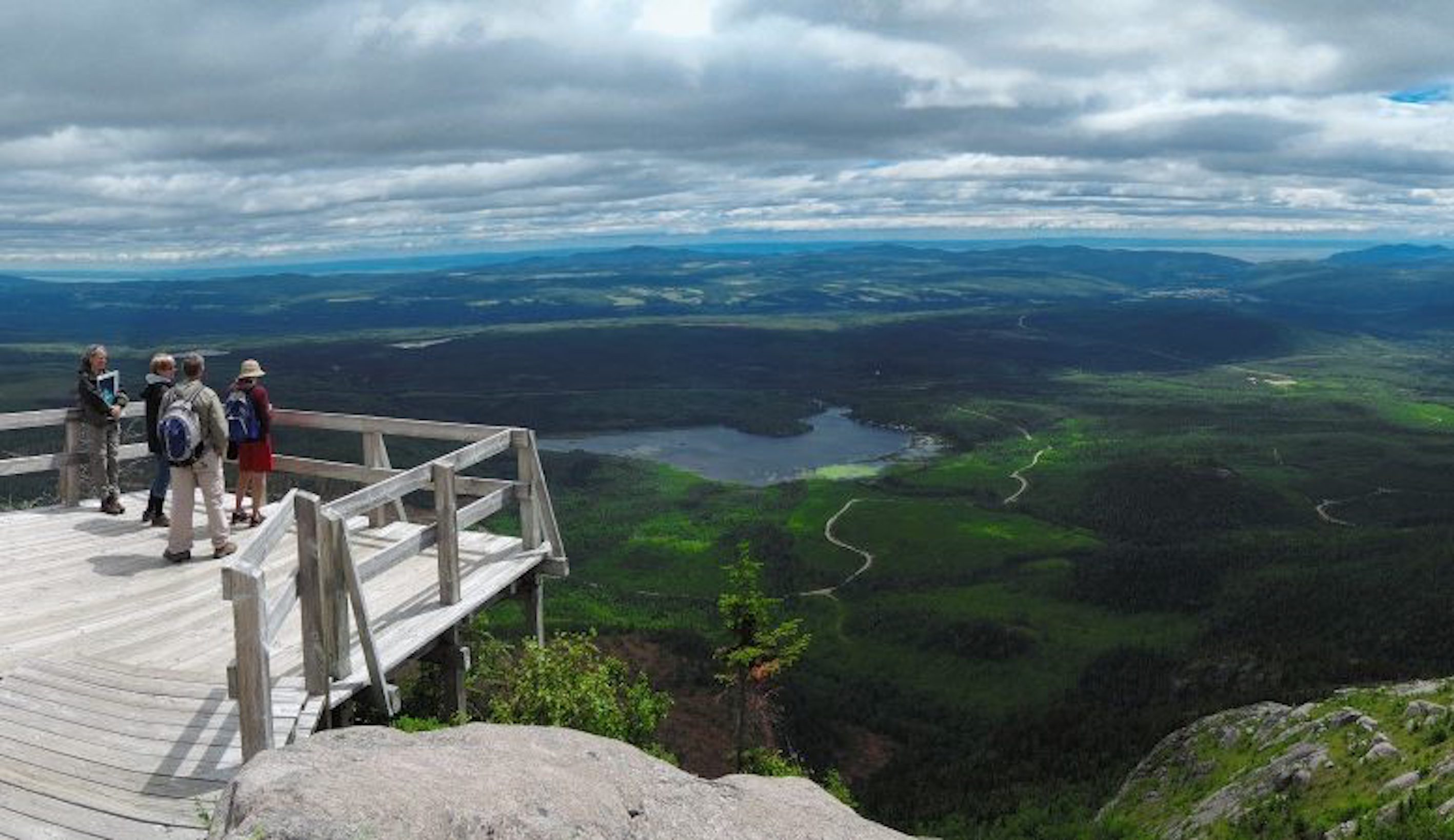
An hour northeast of Quebec City, along the north shores of the St. Laurence River, the and grows rugged; forests of fir, cedar, and spruce edge into farmland, and the banks of the river rise into rock-faced cliffs. Charlevoix beauty began to attract travelers, and during the Gilded Age of the late 1800s, a summer influx of wealthy American families began streaming into the Charlevoix villages known collectively as Murray Bay (in French, La Malbaie, and Pointe-Au-Pic)’ making this the “Newport of the North”.
• Lake Massawippi and Eastern Townships
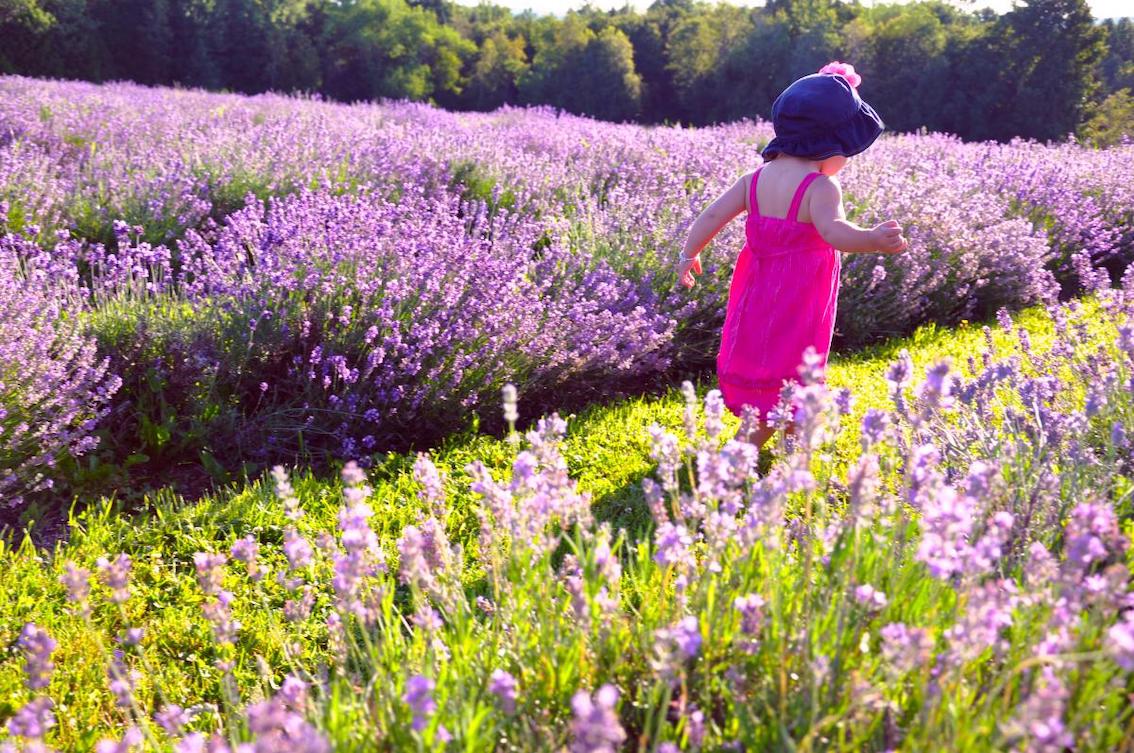
Quebec’s Eastern Townships feature wide valleys, glacial lakes, and low mountains ( the northern extension of Appalachians) snuggled between the St. Lawrence River and the borders of Maine, New Hampshire, and Vermont. The region’s many farms and vineyards provide the produce, wines and traditional foods that lend a French je ne sais quoi to fine cuisine across the province of Quebec. At the turn of the 20th century, Lake Massawippi, a narrow, 10-mile-long glacier-dug lake flanked by hardwood forests, had become a favorite summer destination for wealthy families; train lines brought America’s captains of industry, who built grand lakefront estates here.
Ontario
• Ottawa
o Parliament Hill and Changing of the Guard

Parliament Hill with its Gothic revival suite of buildings is the home of the Parliament of Canada and has architectural elements of national symbolic importance. Parliament Hill attracts approximately 3 million visitors each year. Attend the changing of the ceremonial Guards on the Parliament Hill. Distinctive in the scarlet uniforms and bearskin hats, the Band of the Ceremonial Guard attracts huge crowds wherever it performs.
o Rideau Canal and Winterlude

If nature gives you snow and ice, celebrate the joys of winter. That’s exactly what Canada’s capital city has done every February since 1979, during Winterlude. It offers a variety of activities for the whole family like skating and fun in the snow. The Rideau Canal is the centerpiece of Winterlude. Built in the 1930s as a 126-mile military route linking the Ottawa River and Lake Ontario, North America’s oldest continuously operated canal become Winterlude’s main drag when 5 miles of its length, in the heart of Ottawa, are groomed for skating. It is the world’s largest natural frozen ice-skating ring.
o Royal Canadian Mint

The Mint’s facility in Ottawa is responsible for producing collector and commemorative coins, bullion in the form of coins, bars, wafers and grain, medals and medallions. This is also where the master tooling is done to create the dies that strike coin designs for both circulation and commemorative issues. You can visit the museum and watch people at work during the weekdays.
• Toronto
o CN Tower and EdgeWalk
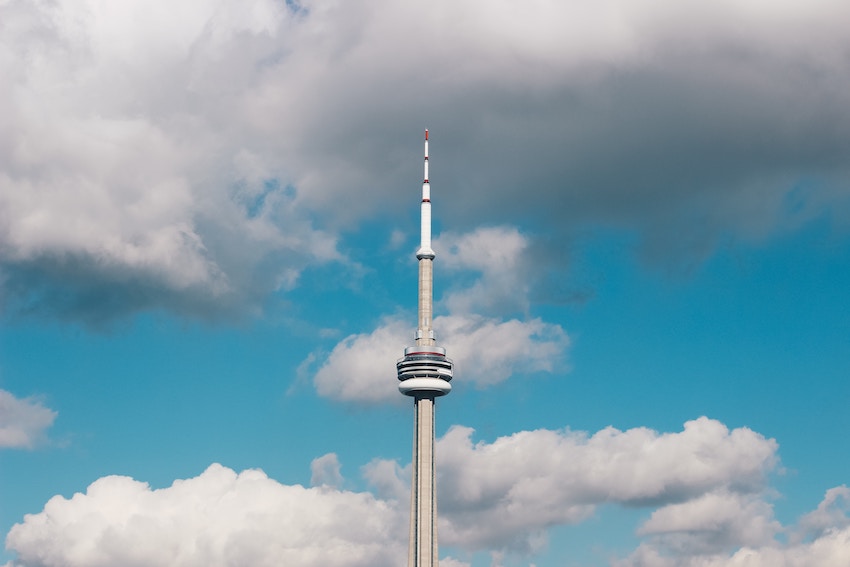
The CN Tower’s Glass Floor is a unique experience that has inspired an international bucket list of see-through floor experiences including the Grand Canyon Skywalk, Chicago’s Ledge, and many more. EdgeWalk is CN Tower’s most thrilling attraction in its history and the first of its kind in North America. It is the world’s highest full circle hands-free walk on a 5 ft (1.5 m) wide ledge encircling the top of the Tower’s main pod, 356m/1168ft (116 stories) above the ground.
o Hockey Hall of Fame
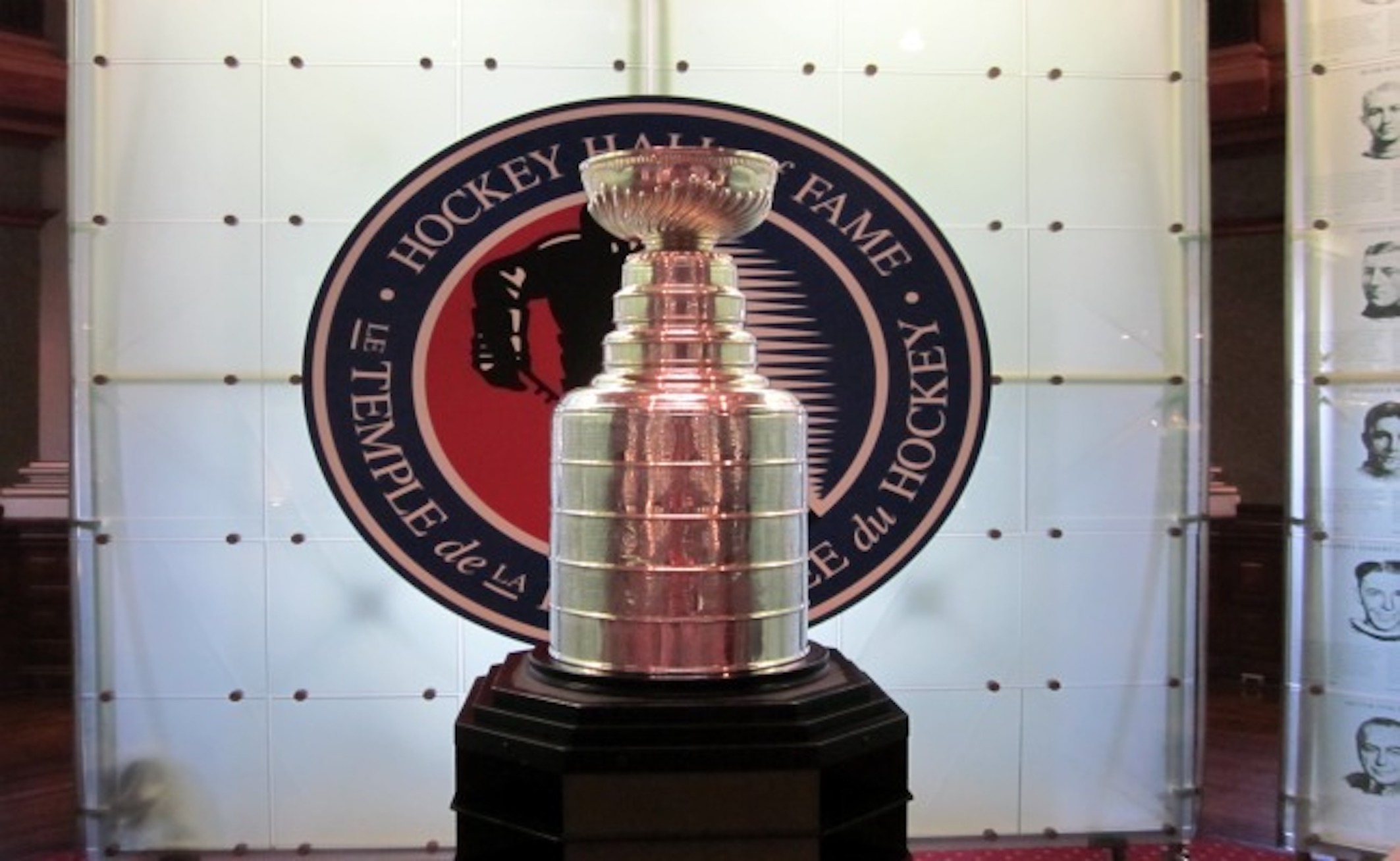
The Hockey Hall of Fame is home of the Stanley Cup and the finest collection of hockey artifacts in the world.
o Art Gallery of Ontario and the Royal Ontario Museum
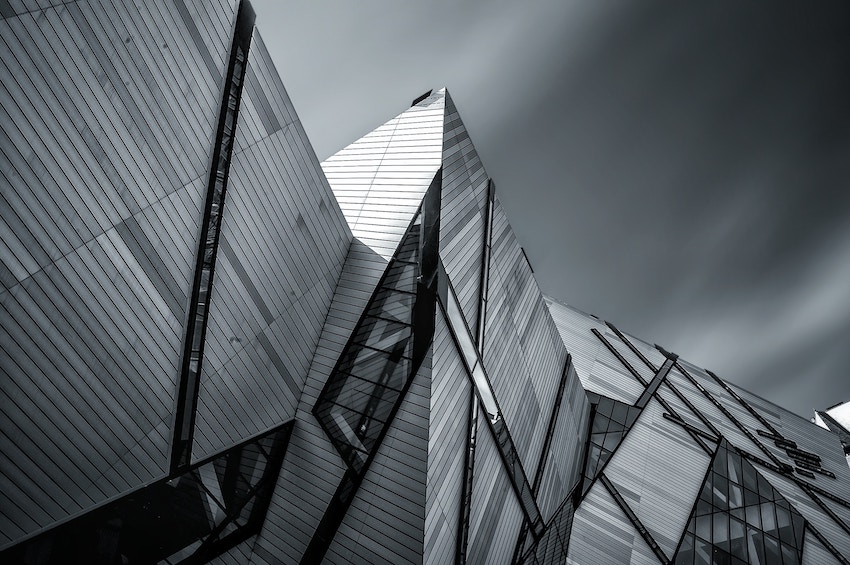
With a collection of more than 90000 works of art, the Art Gallery of Ontario is among the most distinguished art museums in North America. The Royal Ontario Museum is an indispensable resource for building community by nurturing discovery and inspiring wonder.
• Niagara Falls and Niagara Wine County

Almost a mile wide in total, the falls straddle the U.S.-Canada border and are divided by islands into three sections: the 1,060-foot American Falls, which includes a smaller section called Bridal Veil Falls, and the 2,600-foot Horseshoe Falls on the Canadian side. The Canadian side offers the best views including the illumination shows.
The Niagara Peninsula, a neck of land that separates Lake Erie from Lake Ontario and shares Tuscan’s Latitude, is the largest viticultural area in Canada, with some 60 wineries what account for 80% of Canada’s grape-growing volume.
• The Stratford Festival
The largest classical repertory theatre in North America, the venue offers over a dozen productions yearly, from mid-April through early November. In addition to world-class production of Shakespeare, it mounts a broad range of classic plays on its four stages.
Other Resources
Quebec
Ontario
References and Citations
https://en.wikipedia.org/wiki/Central_Canada
https://commons.wikimedia.org/w/index.php?curid=5687582
http://www.tourisme-charlevoix.com/en/
http://www.mint.ca
https://visit.parl.ca
http://www.army-armee.forces.gc.ca/en/ceremonial-guard/index.page
https://www.cntower.ca/en-ca/plan-your-visit/attractions/edgewalk/edgewalk-overview.html
https://www.hhof.com
https://www.stratfordfestival.ca
https://www.niagarafallstourism.com
https://ago.ca
https://www.rom.on.ca/en
http://ncc-ccn.gc.ca/rideau-canal-skateway
https://www.easterntownships.org
https://www.mtl.org/en
 Home | North American Regions