
British Columbia is the westernmost province of Canada, located between the Pacific Ocean and the Rocky Mountains. With an estimated population of 5.016 million as of 2018, it is Canada’s third-most populous province.
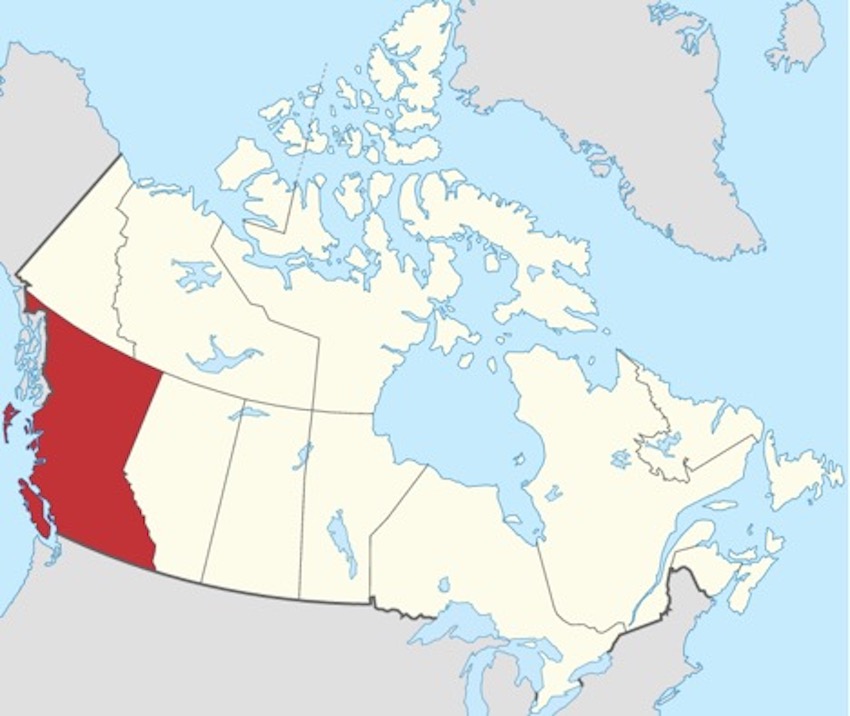
Climate
Coastal southern British Columbia has a mild, rainy oceanic climate, some far southern parts of which are the warm-summer Mediterranean, influenced by the North Pacific Current, which has its origins in the Kuroshio Current. Due to the blocking presence of successive mountain ranges, the climate of some of the interior valleys of the province is semi-arid with certain locations receiving less than 250 millimeters (9.8 in) in annual precipitation. The annual mean temperature in the most populated areas of the province is up to 12 °C (54 °F), the mildest anywhere in Canada.
The extended summer dryness often creates conditions that spark forest fires, from dry-lightning or man-made causes. Many areas of the province are often covered by a blanket of heavy cloud and low fog during the winter months, in contrast to abundant summer sunshine.
Top 10 metropolitan areas by population:
Vancouver 2,463,431
Victoria 367,770
Kelowna 194,882
Abbotsford 180,518
Nanaimo 104,936
Kamloops 103,811
Chilliwack 101,512
Prince George 86,622
Vernon 61,334
Courtenay 54,157
Main Attractions
Vancouver Sun Yat-Sen Classical Chinese Garden
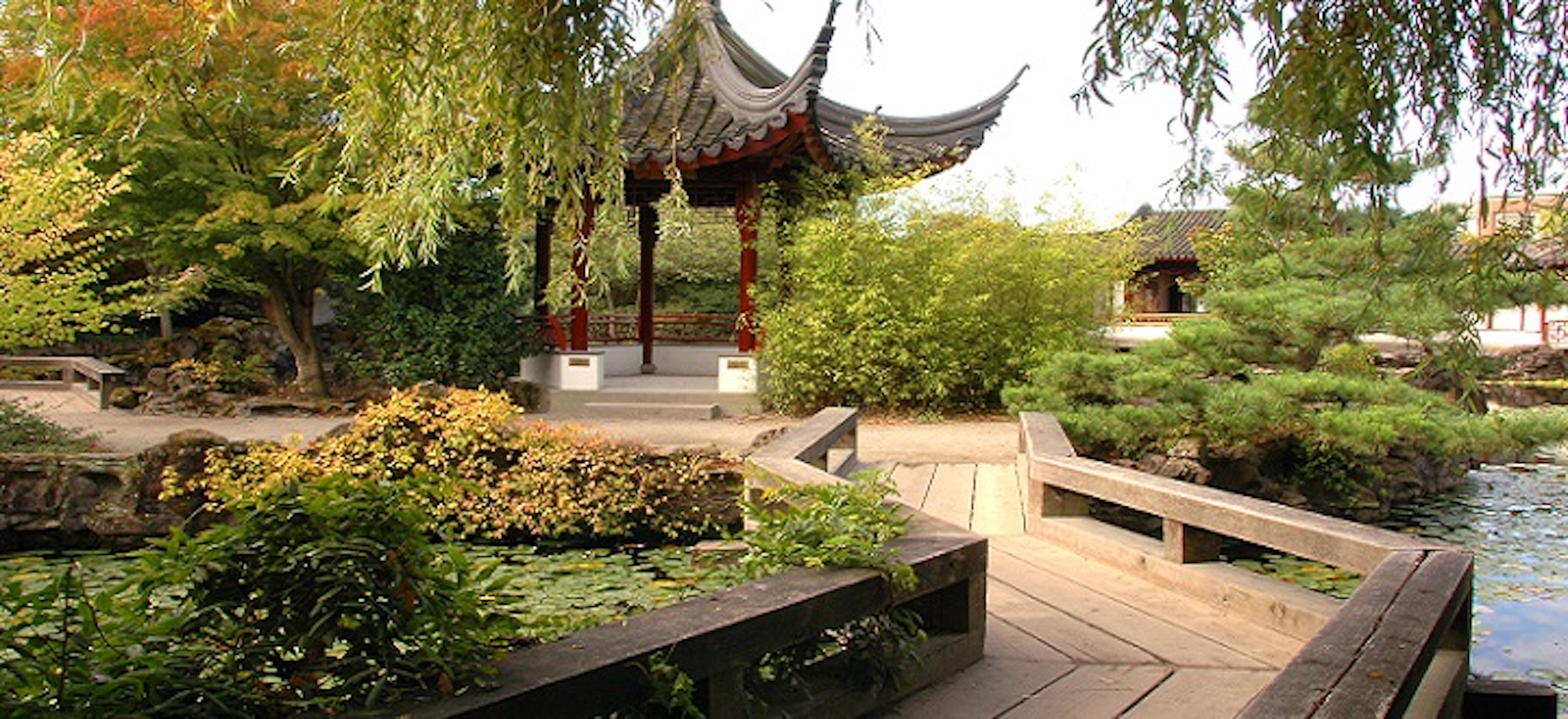
Canada’s multiculturalism, a fascinating mosaic of peoples and customs, finds its zenith in Vancouver, with one of the highest concentrations of ethnic Chinese residents outside Asia. Just east of downtown is Vancouver’s historic Chinatown, where nearly all of the signs are in Chinese and storefront windows are filled with hanging ducks, bales of dried fish, and unlikely looking medical potions. An island of calm in this otherwise frenetic community is the Sun Yat-Sen Classical Chinese Garden, the first full-scale Chinese classical garden ever built outside China. Its complex network of corridors and courtyards seems like an intricately chambered jewel box, a pocket-sized otherworld.
Yoho National Park
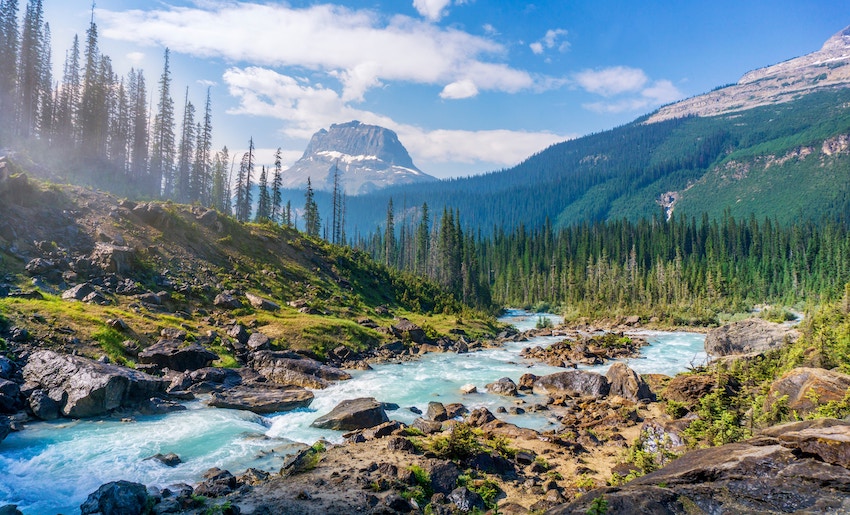
Yoho National Park lies in the steep drainage of the Kicking horse river, which boasts Class III and IV rapids, making it one of Canada’s most exciting white-water destinations. A popular short hike leads to a viewpoint overlooking Takakkaw Falls, Canada’s second highest at 1,250 feet.
The Gulf Islands
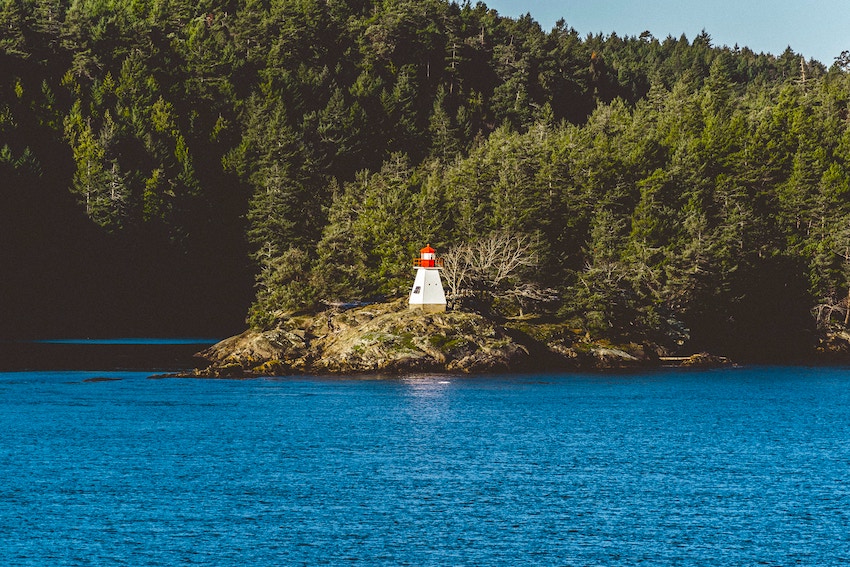
The rock-faced Gulf Islands lie sprinkled between the mainland city of Vancouver and Vancouver Island, in the Strait of Georgia. Five of the islands are easily reached on BC ferries, from Tsawwassen on the mainland or Swartz Bay on Vancouver Island – the narrow passage between these islands is considered one of the most beautiful ferries rides on earth. Each of the almost 100 islands exudes its own unique character.
Heli-Skiing and Heli-Hiking
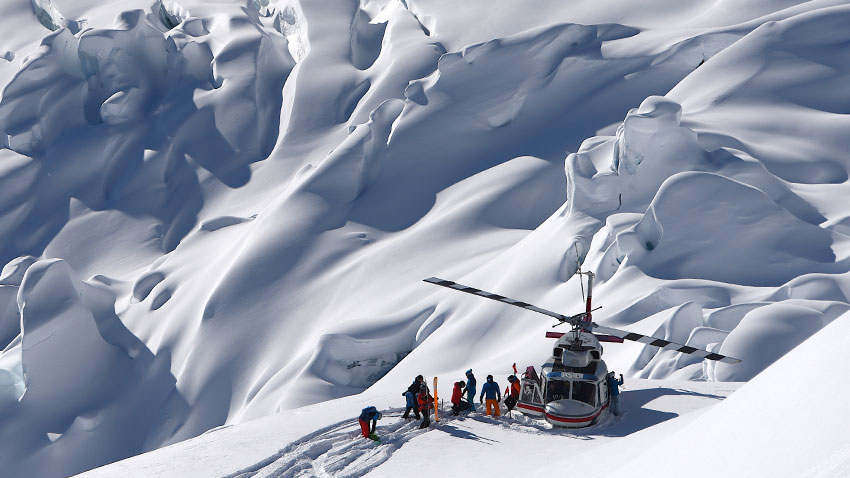
Just west of the Canadian Rockies lie waves of mountains: The Cariboo, Bugaboo, Monashee, Selkirk, Galina and Purcell ranges are unknown to many but famous to fans of high-mountain hiking and powder skiing. These remote peaks are beyond the reach of roads and ski lifts, but getting to the mountain top is possible with a helicopter. High-country skiing requires intermediate to advanced skills, but the rewards are unmatched. Over the course of one mind-boggling powder-filled week helicopters set skiers down for 8 to 15 different runs per day, all on snow uncrossed by another human’s tracks. As soon as the snows melt, adventurers can pursue summer hiking and trekking in these same unbelievable mountains. The high country is transformed into a primeval world of alpine wildflowers and monumental views of dozens of snow-capped mile-high peaks.
The Okanagan Valley

The arid yet fertile Okanagan Valley is Canada’s second largest wine-producing area, the first one being Niagara-on-the-Lake in Ontario. Its 100 wineries comprise almost 10,000, producing wines that rival nearby Washington State’s in power, richness, and finesse. Kelowna is an excellent base for tasting expeditions, with more than 18 wineries within a half hour drive.
Pacific Rim National Park
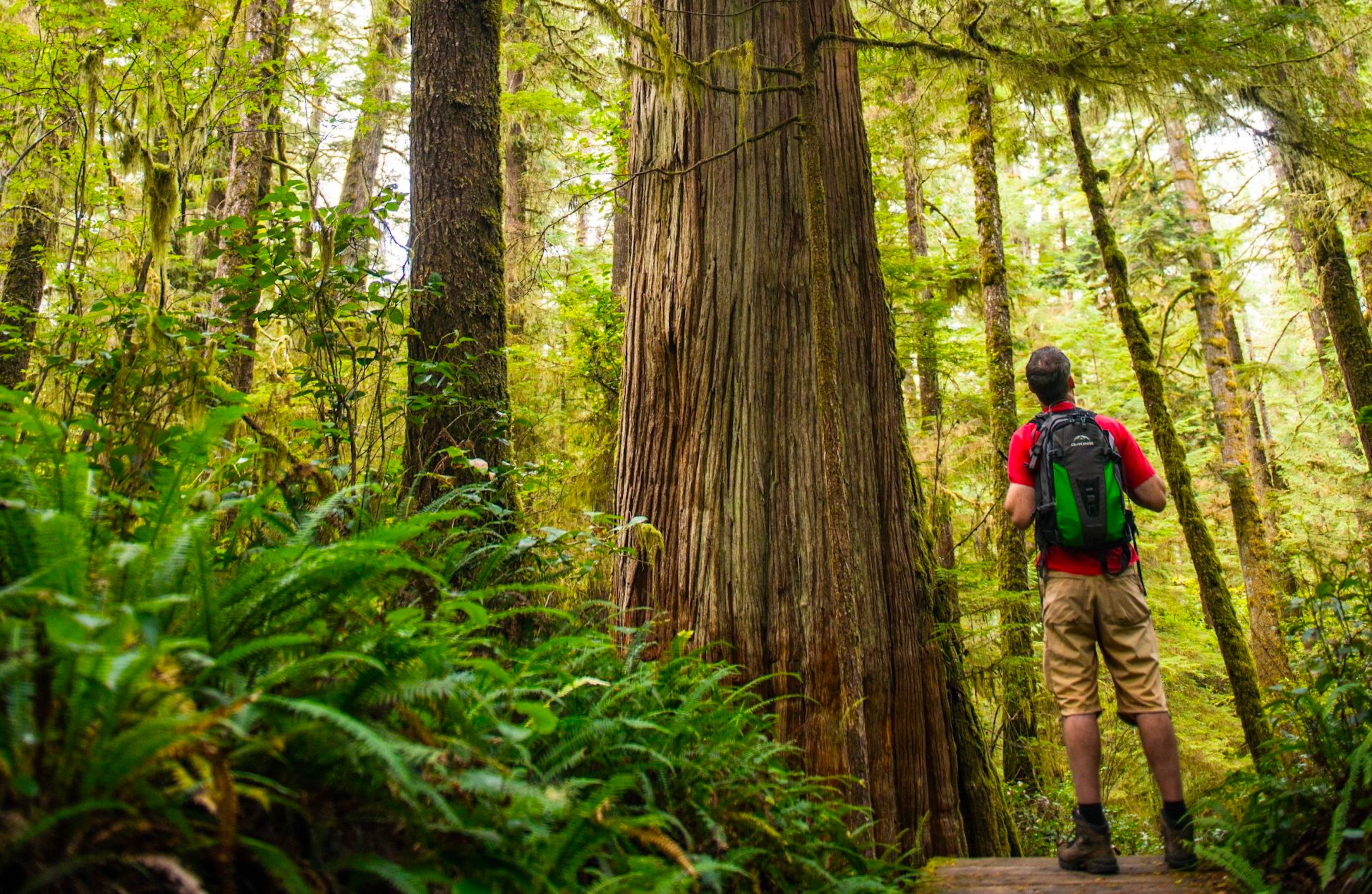
The coastal rainforests, cliff-lined islands, and broad, sandy beaches of Vancouver Island’s remote western flank are preserved as the three-unit Pacific Rim National Park Reserve, a maritime wilderness that’s hallowed ground for ecotourists, long-distance hikers, and sea kayakers. In the first unit, you’ll find the West Coast Trail, a 47-mile track hailed as one of the most spectacular and challenging hikes on the continent. At the mouth of Barkley Sound is the park’s second unit, centered on the Broken Group Islands, a rocky archipelago rich with wildlife. The park’s third unit is its most accessible: the 9-mile curve of Long Beach, some 500 yards wide at low tide and popular in the summer when the weather is sunny and breezy.
Stubbs Island Whale-Watching
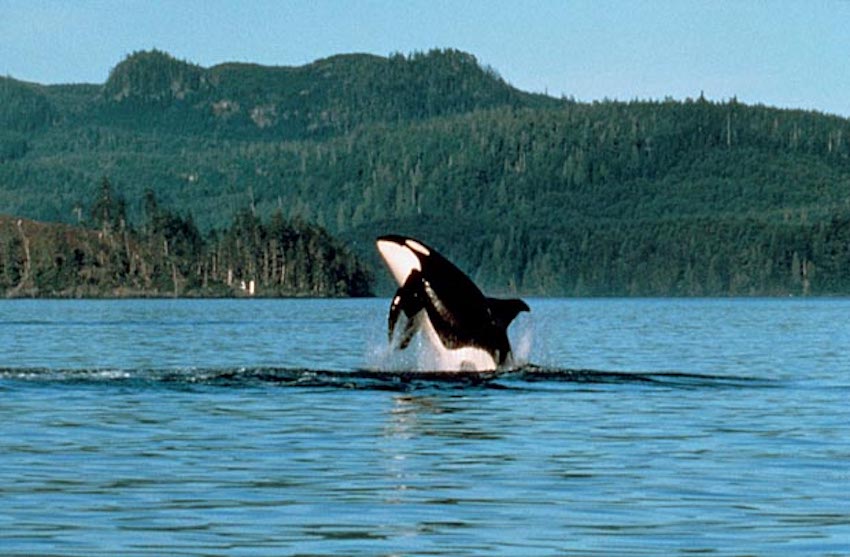
Separating Vancouver Island from the cedar-flanked coast of British Columbia, Johnstone Strait near Telegraph Cove is home to the wolds’ largest concentration of orcas. Over 200 of these black-and-white whales inhabit these waters, and they have good reason to gather here. In addition to congregating to socialize and mate, the orcas come here to eat: The confines of Johnson Strait force migrating salmon into a narrow channel, which means they are easy to hunt. The area also features the “rubbing beaches” at the Robson Right Ecological Reserve, where the orcas gather at shallow, pebbly beaches to rub their bellies on rocks and gravel – a kind of whale massage. Although these beaches are off-limits to human visitors, wild-life viewing tours can bring you close enough to see these beautiful creatures in their natural habitat.
Victoria’s Inner Harbour
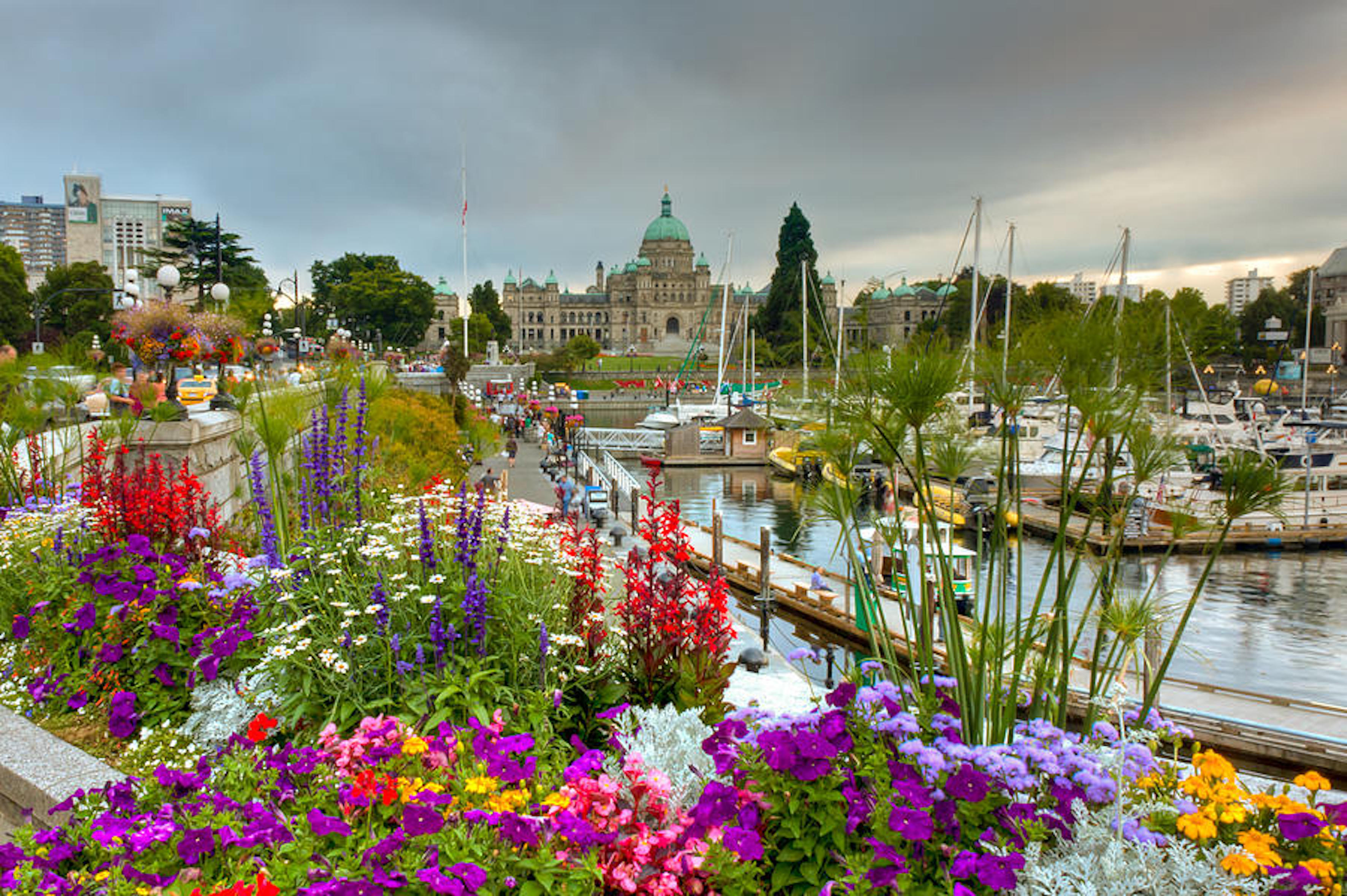
Replete with beautifully preserved Victorian-era architecture, British Columbia’s capital has always enjoyed its reputation as being “more British than Britain”. The Inner Harbour is Victoria’s centerpiece, a pocket-sized inlet flanked by historic buildings and bustling with sea-going vessels.
Whistler Blackcomb Ski Resort
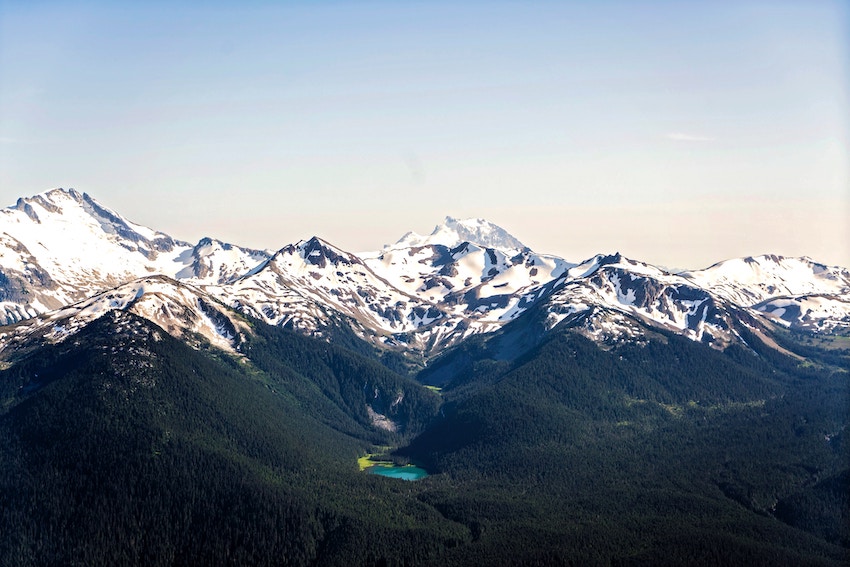
The giant twin peaks of Whistler and Blackcomb, just 75 miles north of Vancouver on the stunningly scenic Sea-to-Sky Highway comprise North America’s largest ski and snowboard resort, regularly rated No.1 by polls and magazines. After a major construction boom prior to the 2010 Winter Olympic Games, Whistler Blackcomb is now even more incredible than ever. Whistler and Blackcomb are separated by a deep valley and the Peak 2 Peak gondola carries skiers and in the summer thrill-seekers directly between the two summits: it is the world’s longest unsupported cable span.
Other Resources
British Columbia
References and Citations
https://en.wikipedia.org/wiki/British_Columbia#Climate
https://vancouverchinesegarden.com
https://www.pc.gc.ca/en/pn-np/bc/yoho
http://gulfislandstourism.com
https://www.cmhheli.com
https://winebc.com/discover-bc-wine-country/okanagan-valley/
https://www.pc.gc.ca/en/pn-np/bc/pacificrim
https://www.stubbs-sightings.com
http://victoriasbestplaces.com/greater-victoria/victoria-neighbourhoods/victorias-inner-harbour/
https://www.whistler.com/skiing/
 Home | North American Regions