
Occupying nearly 40 % of Canada’s total landmass, the North is an iconic yet mysterious part of Canada. Though its igloos, icebergs, polar bears, seal hunters, and Northern Lights are some of the country’s best-known symbols, it remains a region few Canadians will ever visit.
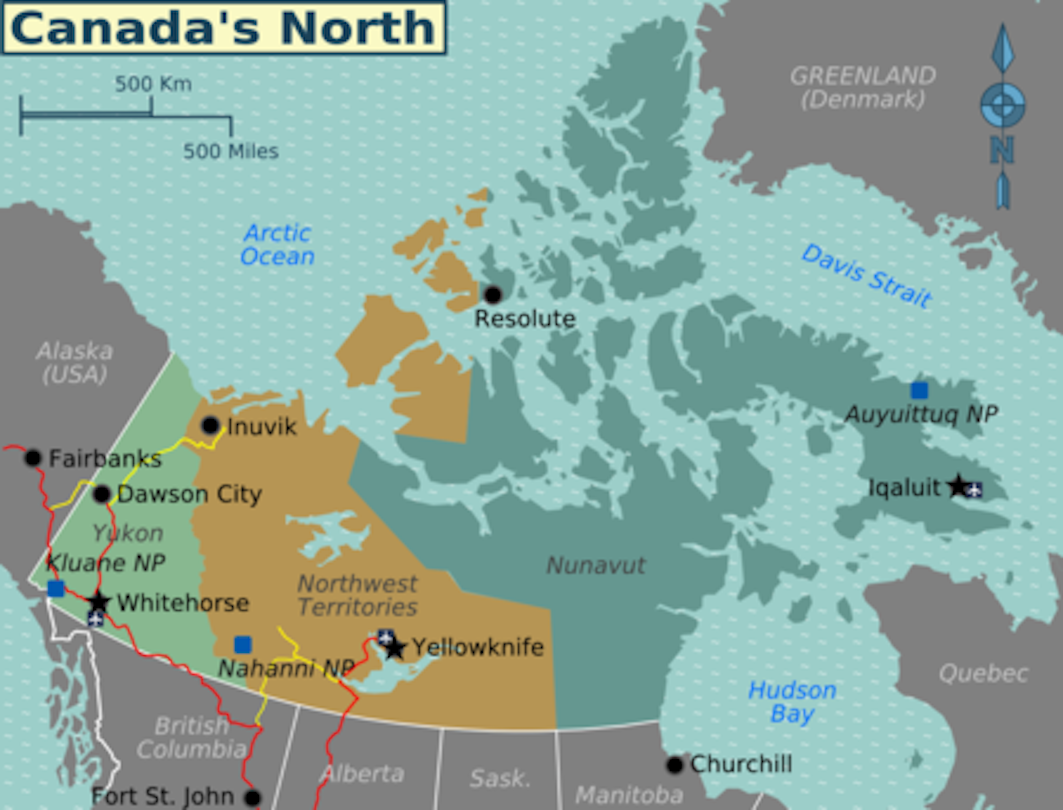
“Northern” Canada encompasses all land above the country’s 60th parallel, which is divided into three territories: Yukon, the Northwest Territories, and Nunavut. Upwards of 90% of the land in all three is strictly uninhabitable, a barren wasteland of rock, ice, and snow, meaning the populated areas are located either in the southern regions or close to the coast of a lake, river or ocean. Still, “habitable” remains very much in the eye of the beholder. Even in the North’s larger cities, it’s not at all uncommon for winter temperatures to dip below -40˚(C).
Territory vs. Province — what’s the difference?
Historically, the difference between a Canadian “province” and a “territory” was that territories were run by Ottawa, while provinces had democratic self-government. After self-governance was granted to the territories in the 1970s, the only real distinction was that territorial governments could not charge nor collect royalties on their natural resources — only Ottawa could. This was, in turn, abolished through so-called “devolution” reforms in the 2000s, meaning there are now basically no meaningful differences between a province and a territory beyond a name.
Main Attractions
Nunavut
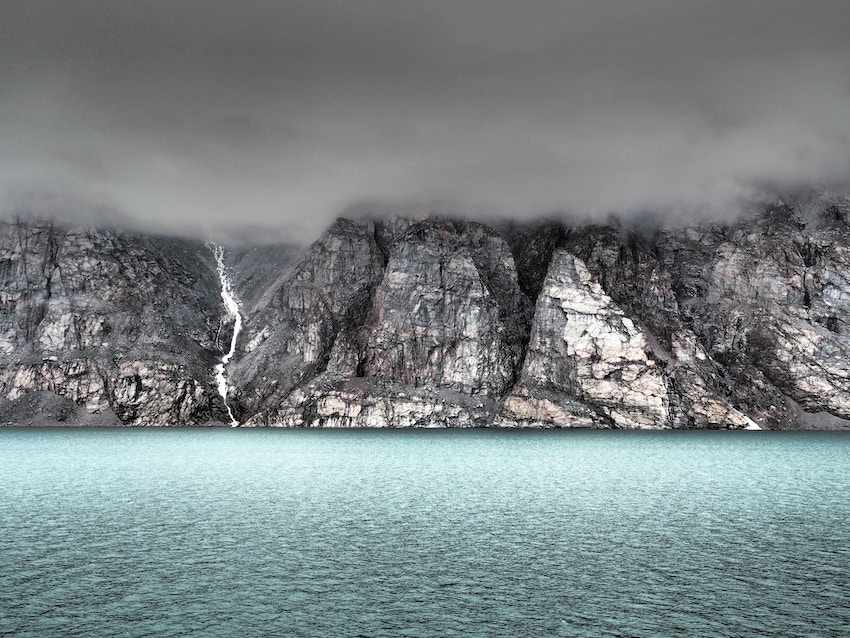
The north is like no other place. Far from a frigid wasteland, the Arctic is a land of profound though alien beauty. It is a homeland to the Inuit; habitat for wildlife such as wolves, musk oxen, wolverines, and caribou; and temporary home for millions of migratory birds. Nunavut is Canada’s eastern Arctic and its newest and largest territory – approximately the size of Western Europe. Created in 1999 as a territory for the Inuit people, it has a human population of 30,000, which is outnumbered 30 to 1 by caribou. Few visitors travel to the Arctic, but those who do experience the subtitle yet powerful splendor of the landscape and, during the Arctic summer, witness the explosion of life that occurs when 24-hour daylight ignites a kaleidoscope of wildflowers. Given the precipitous seasonal changes, lack of roads, and minimal infrastructure for tourism, visiting the Arctic isn’t always easy, but a handful of backcountry lodges offer comfortable accommodations and guided adventures.
Yukon
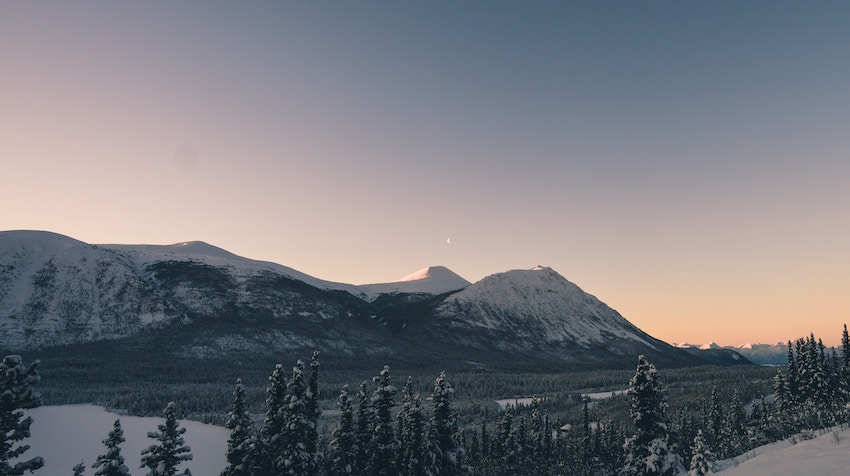
In 1896 the cry went up: Gold! A small party of prospectors panning for nuggets on a remote stream of the Yukon River discovered gold and lots of it. Word of Klondike gold fields spread like wildfire, and by 1898, Dawson city, just 165 miles south of the Arctic circle, counted more than 30,000 inhabitants, a boomtown if ever there was one. Nearly all 1898 gold rushers reached Dawson City via the mighty Yukon River, one of the most powerful rivers in North America. The most exhilarating way to enter town is till by river, perhaps even on a guided multi-day canoe trip. You will pass rugged pristine wilderness, First Nation fishing camps, and abandoned mining sited before paddling into Dawson. A city with a year-round population of 1,300. It has become an open-air museum.
The Northwest Territories
Want to take the road less traveled? Then start revving up. Canada’s brand-new all-season highway to the Arctic Ocean opened to the public on November 15, 2017.
Inuvik-to-Tuk Highway is a milestone – the first road in history to reach the polar shore of North America. The highway stretches 140 kilometers from Inuvik, the hub of the Western Arctic, to the dynamic Inuvialuit community of Tuktoyaktuk on the wild Arctic coast.
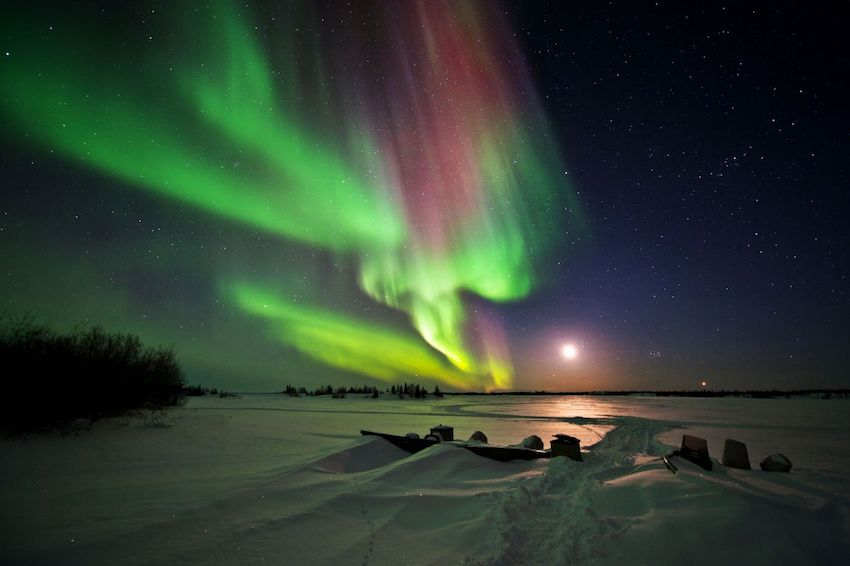
Here’s why to start planning your northernmost road-trip. Head north from Inuvik, population 3,403. This is the regional center of the Mackenzie Delta, linked to the south via the epic Dempster Highway. View the East Channel of the Mackenzie River as it snakes its way northbound toward its mouth at the polar sea. Leave the northernmost reaches of the boreal forest, crossing the treeline into the wide-open tundra of the Barrenlands. Pass through the grazing range of Canada’s only heard of domestic reindeer, tended and harvested in the region since the 1930s. Glimpse the Aurora as it dances over the tundra, far from the glare of city lights. Visit Pingo Canadian Landmark, on the west side of the road, with the world’s largest cluster of ice-cored “pingo” hills. Roll into Tuktoyaktuk, population 935, the Northwest Territories’ Inuvialuit cultural hub. … and when you reach the shore, treat yourself to a brief, brisk dip in the Arctic Ocean. Congratulations – you’ve driven to the top of the world.
Other Resources
References and Citations
 Home | North American Regions